A learning exchange in Zanzibar encouraged Comorian women to form an association and organise a temporary fishing closure. Translation of an article published by our partner Blue Ventures. By Effy Vessaz
« All my life, I have seen numerous and varied fish in the sea. There were always enough to feed all our families. Now, the fish we used to eat have become scarce. The young people in the village don't realise it, but some of the fish we eat now were not even considered edible before. I realised that we, as a community, had to do something. Some members of our community depend entirely on the shore resources, as they do not have boats to go fishing elsewhere. We need to do something to preserve these resources for them. »Doyen of the village of Tumbatu, Zanzibar.
In Zanzibar – as in many other parts of the world – a growing population, a lack of alternative livelihoods and more efficient fishing gear have led coastal communities to overexploit their marine resources.
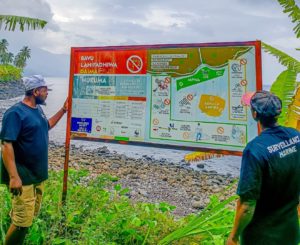
Some of these communities, with the support of our partner organisation Mwambao, have experimented with closing their octopus fishing areas for three consecutive months and have witnessed the financial benefits that this form of fisheries management can bring.

Octopus fishing season opens in Zanzibar after temporary closure | Photo: Mwambao
In the Comoros, we are supporting our partner organisation Dahari with the development of community marine management initiatives, particularly in three villages on the island of Anjouan: Dzindri, Salamani, and Vassy. The women in these communities fish for octopus and other marine species on the reef flat, and they have noticed declining catches and a consistent decrease in octopus size over the years. Aware that fisheries management could improve their situation, the fisherwomen have told us that they are motivated to start managing their resources more effectively.

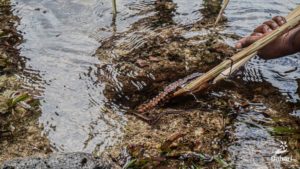
Octopus fishers in Anjouan, Comoros | Photo: Garth Cripps
As the Project Manager for Blue Ventures' Comoros project, I had the opportunity to organise a peer-to-peer exchange visit to Zanzibar in January 2018. The exchange group comprised four Comorian fishers from Anjouan – Ma Marifka, Nadjib, Siti and Zaina – one member of Dahari’s marine team – Fatima – and myself. The purpose of this visit was, with Mwambao’s support, to meet with fishing communities in Zanzibar, exchange skills and experiences with them, and to learn more about their success with the temporary octopus fishery closure.
During our trip, I discovered that there are many similarities between the Comorian language – Shikomori – and the Zanzibari language – Kiswahili. For example, during a delicious meal prepared by our hosts in Zanzibar, we learned that the rabbitfish we were eating was called «ntasi» in both languages. Similarities like these made communication smoother and created a comfortable atmosphere between the Comorian visitors and their hosts.

Shared experiences: Zanzibar fishermen discuss with their Comorian visitors
There are also cultural similarities, and listening to everyone laugh together, I could feel they were all connected. Shared experiences were brought up, rooted in similar traditions and values, which considerably increased the impact of the exchange on the Comorian fishermen. The Zanzibari stories resonated deeply within their own context.

Comorian fishermen, their Zanzibari hosts, and the staff of Dahari and Mwambao
During the exchange, we met three fishing communities in Zanzibar and discovered the different ways in which they have come together and organised to manage their resources. The Comorian fishermen were impressed to see how the benefits of temporary octopus fishing closures were shared within the communities and how they financed projects such as the construction of a school or an office for the fishing committee. The Zanzibar communities also shared the challenges they faced and highlighted the importance of social cohesion and communication when planning a closure.
« It is very important to plan the steps carefully before the closure, to consider all the details and to ensure that the fishermen's committee is made up of strong and honest people, to ensure transparency and respect. »Mtende Sheha, member of the fishermen's committee, Zanzibar.
We also had the opportunity to see the marine environments of Zanzibar up close. While walking on the reef at low tide, all members of the exchange group noticed the abundance of life compared to what they have at home in Anjouan. In Zanzibar, destructive fishing practices – such as the use of metal rods or poisons – are prohibited and the ban is effectively enforced by the community, whereas these same practices are unfortunately common in the Comoros. This moment was truly an eye-opener for the visitors.

Dau, traditional fishing boat from Zanzibar, run aground on the beach at low tide
« When I see all these fish, I realise what our seas could look like if we stopped using uruva (a poisonous plant) for fishing. Other members of our communities must realise this too and we must act to put an end to it. »Ma Marifka, Comorian fisherwoman

Comorian fishermen visiting a Zanzibar fish market
The entire exchange group left Zanzibar feeling inspired and well-equipped with stories and photos to share back home. Ma Marifka, Siti, Zaina and Nadjib decided to bring their three communities together and initiate similar strategies on Anjouan to those they had seen in Zanzibar. They began planning the first steps to do so before the exchange was even over – a sight that filled my heart with joy!
« We need to organise ourselves with the fisherwomen from the three villages, make sure everyone is on board, and then get as many people as possible involved to help improve our families’ fishing. »Zaina, Comorian fisherwoman
Upon their return to the Comoros, the exchange group members shared their enthusiasm with their communities by presenting their experiences in the three villages of Dzindri, Salamani and Vassy.

Siti, one of the fisherwomen who participated in the exchange, shared her experiences with her community in Comoros.
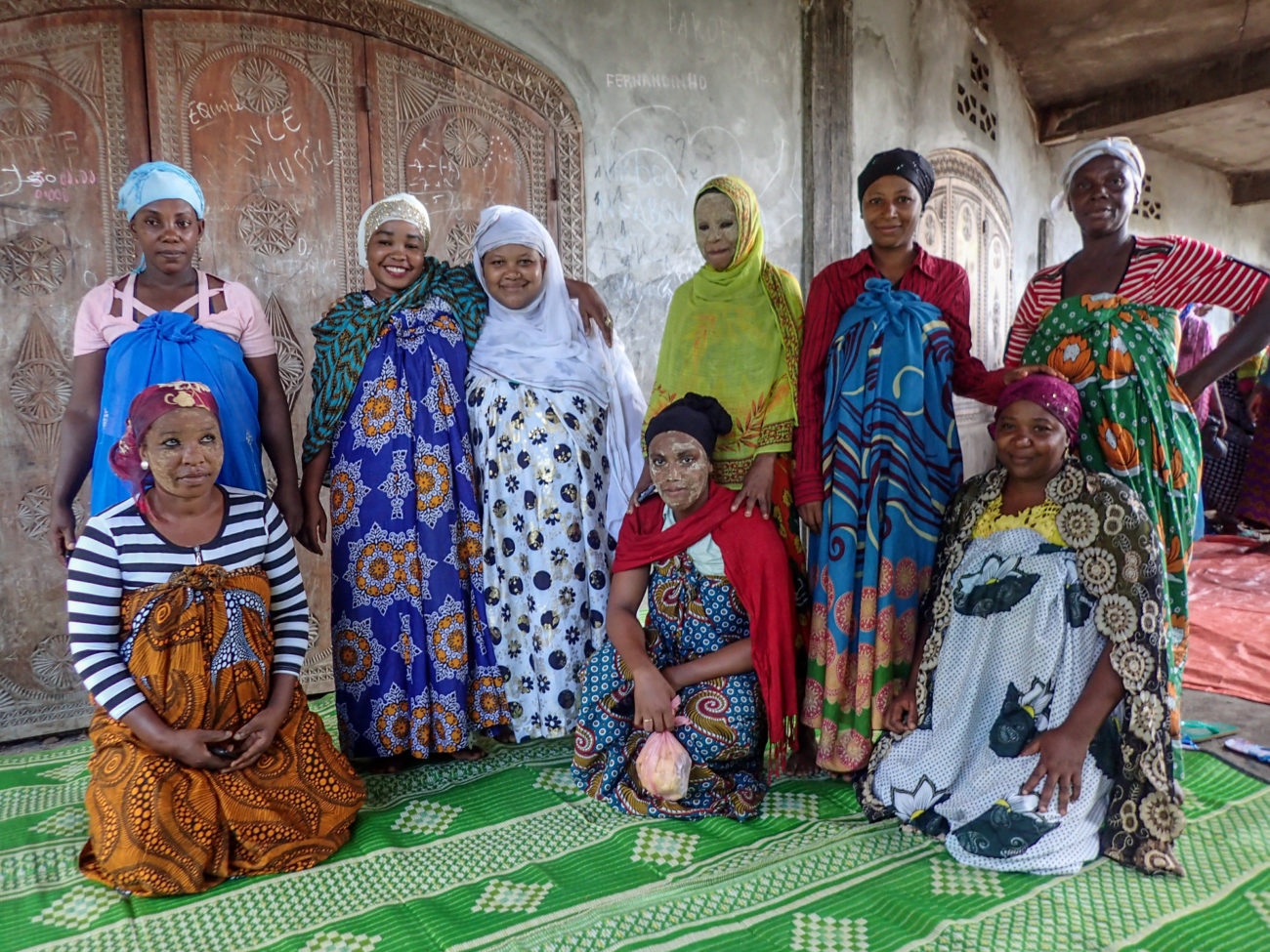
This effort to mobilise their communities was successful and, two months after the Zanzibar exchange, an association of women fisherfolk was born. It was named “Maecha Bora” – “peaceful life” in Shikomori – and comprises over 80 women from the three villages who have decided to combine their efforts and collectively manage their marine resources. Zaina, who participated in the Zanzibar exchange, is the association's vice-president!
I am very proud to be able to support these women, as it is the first time in these three villages that women will be represented in fisheries management associations. They now have a say in decision-making and are able to bring about change, a great achievement and well-deserved recognition for these fisherwomen.
The newly formed association wasted no time and met regularly, drawing on Blue Ventures’ extensive knowledge of temporary fishing closures to plan their own and discuss logistics such as the closure area and monitoring system. Alongside these meetings, women fishers continued to mobilise people in their own villages and even began meeting with neighbouring villages to discuss their new initiative.

The main members of Maecha Bora, the new association of women fisherfolk. Zaina, who participated in the Zanzibar exchange, is kneeling on the left.
At the beginning of May, the women fisherfolk association, supported by Blue Ventures and Dahari, successfully organised the first temporary octopus fishing closure in Anjouan, a remarkable achievement! To mark the occasion, a public celebration was held during which the fisherwomen performed a dance, traditional songs and dances.

The public ceremony to mark the end of the fishing season
I know I wasn't the only one moved by their song, specially written for the occasion, and which highlighted the importance of marine resource management: «The environment is a priority; Maecha Bora is fully aware of the reality; let's awaken a new era to reduce poverty; let's act for good yields and be independent together.»

Members of Maecha Bora engaged in “tari”
Our partnership with Dahari over the last two years has been rooted in the involvement of the communities of Anjouan through participatory methods to improve their livelihoods. By acting with humility and prioritising communities, we have earned their trust and it has been extremely rewarding to see them take charge of their resources and organise this temporary octopus fishing closure.
We hope that the success of this closure will further strengthen commitment within the Anjouan communities for increased sustainable management of their marine resources and pave the way for broader conservation actions in the future. First and foremost, the communities have a temporary closure to manage, and Siti proudly told me:
« We must succeed in the implementation of this temporary closure, so that we can invite our Zanzibari friends to the reopening to show them what we have achieved. »
Effy Vessaz / Blue Ventures
The original version of this article in English on the Blue Ventures website:
Inspiring change: Comorian fisherwomen visit Zanzibar to learn about resource management