
The Comoros’ natural resources, particularly on Anjouan, are under severe pressure due to the very high population density, widespread poverty and the fact that 80 % of the population depends on agriculture. The semi-traditional farming methods practised are mostly extensive and are unable to meet these challenges.
Since the 1980s, the intensification of agricultural production has generally relied on monoculture and the use of chemical fertilisers and pesticides. These methods accentuate the degradation of ecosystems and pose a risk to public health.
Agroforestry has always played an important role in the Comorian landscape, particularly in Anjouan, where trees and hedgerows are integrated into farming. However, the agroecological intensification of agroforestry plots remains to be developed. Intercropping, the use of rotations, and fertility management are rarely practiced.
These methods would improve farmers' livelihoods, reduce pressure on forests and reefs, and ensure greater resilience to climate change.
The Dahari Agroforestry Programme capitalises on our agricultural programme, which has been running since 2013, and our reforestation programme, established in 2016. The approach currently being developed combines the establishment of a network of “model” agroecological farms with strengthened reforestation across the agricultural landscape. We are targeting both improved productivity and the securing of ecosystem services.
With the support of:
Our key results
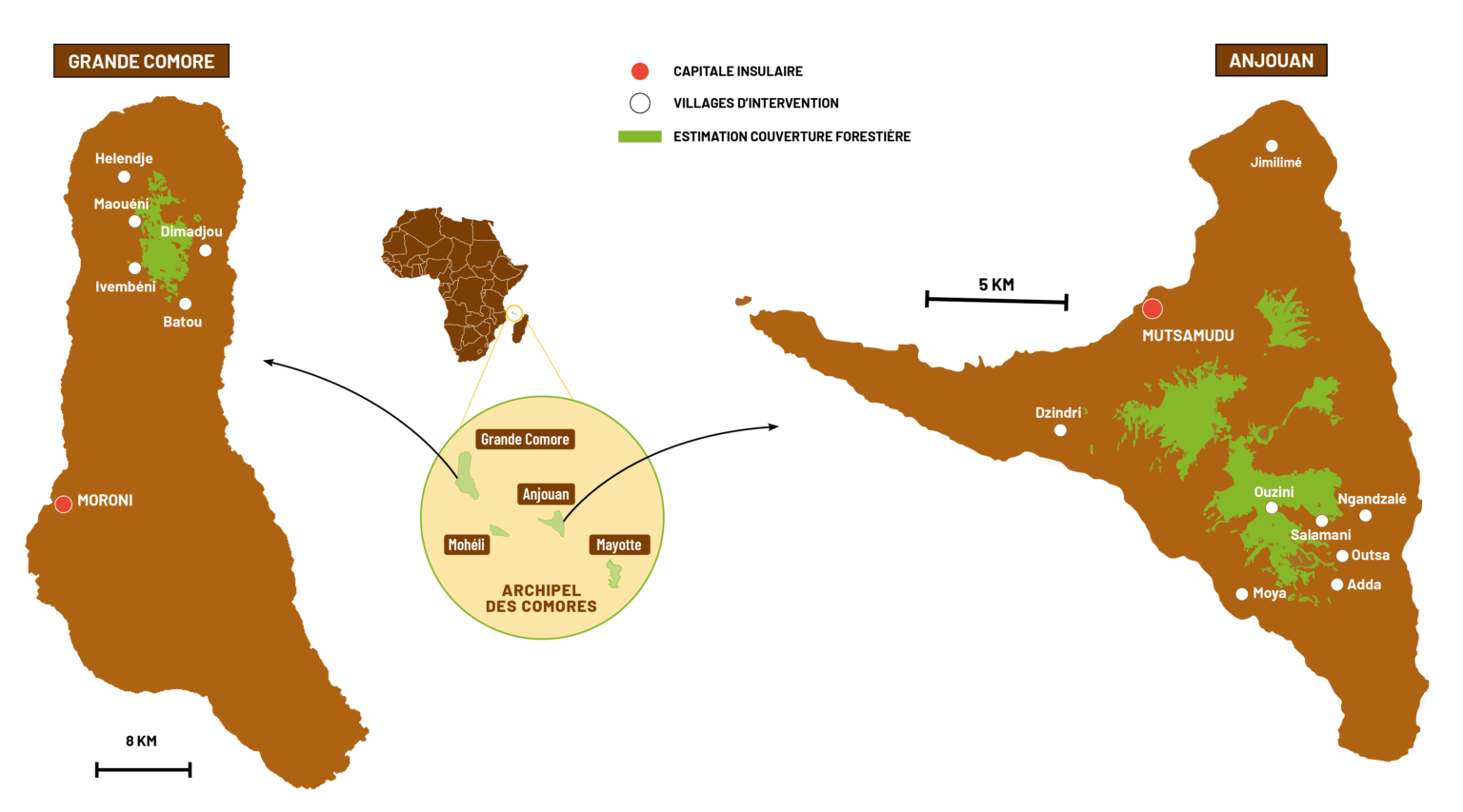
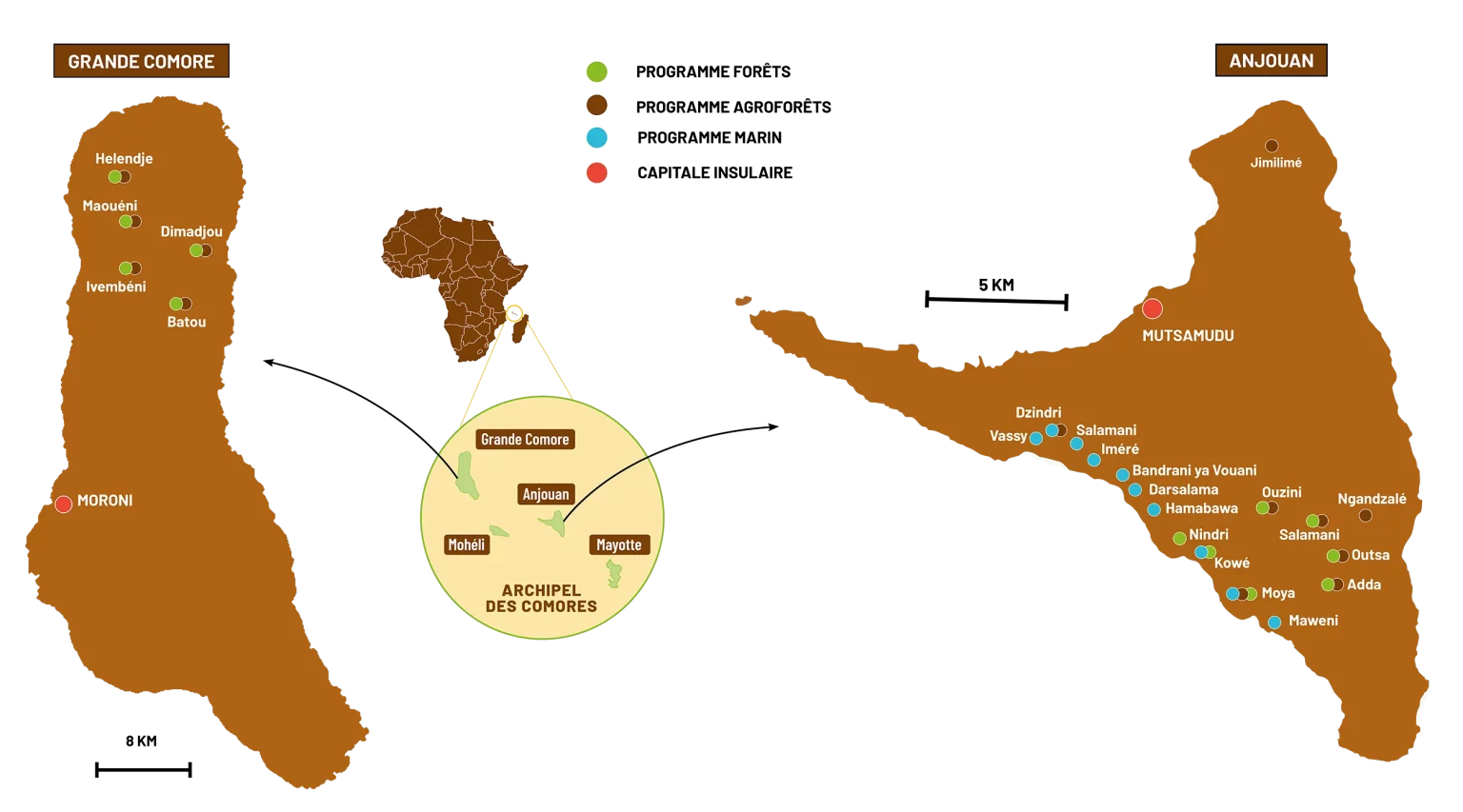
Our intervention areas agroforestry programme
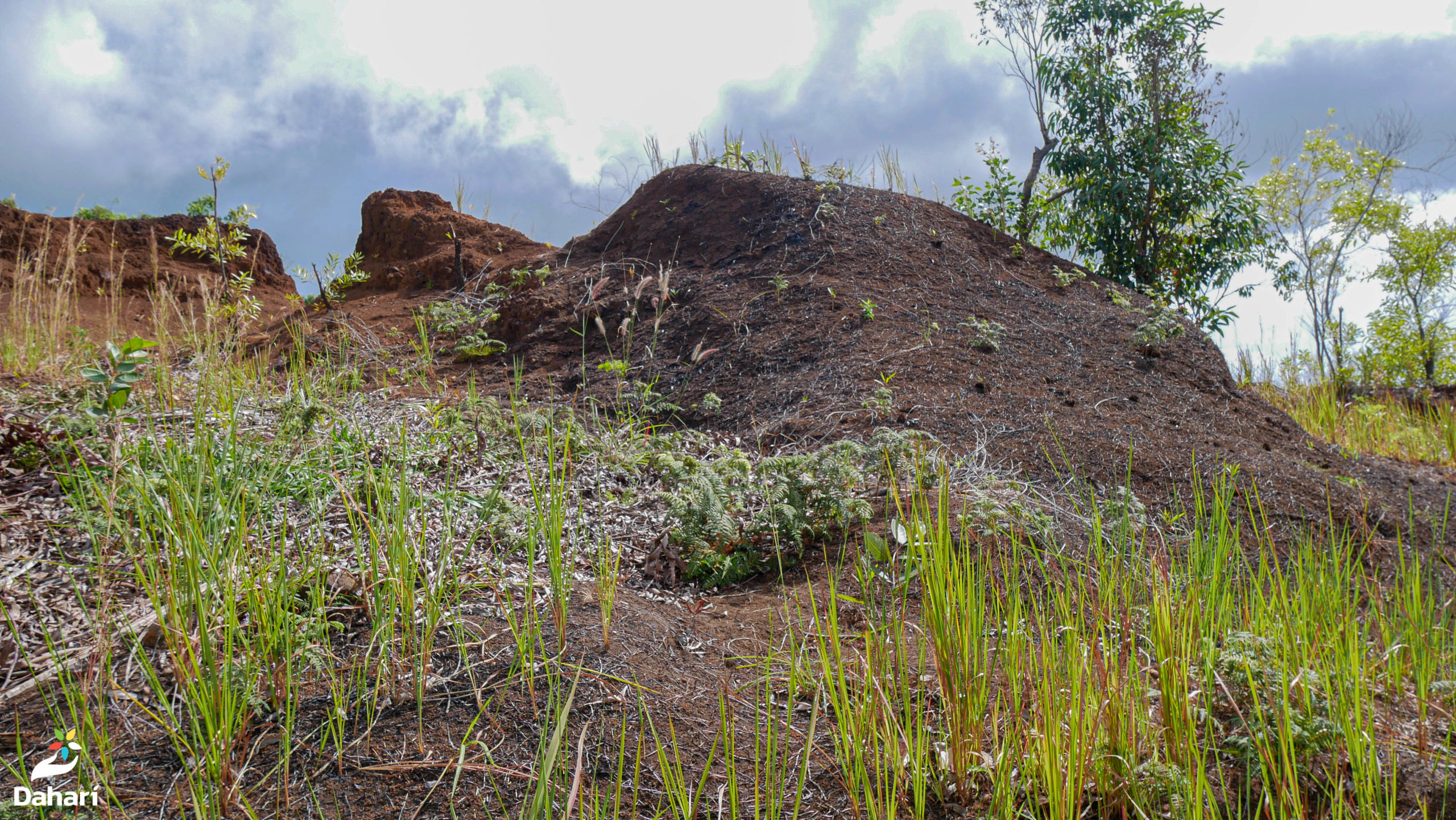
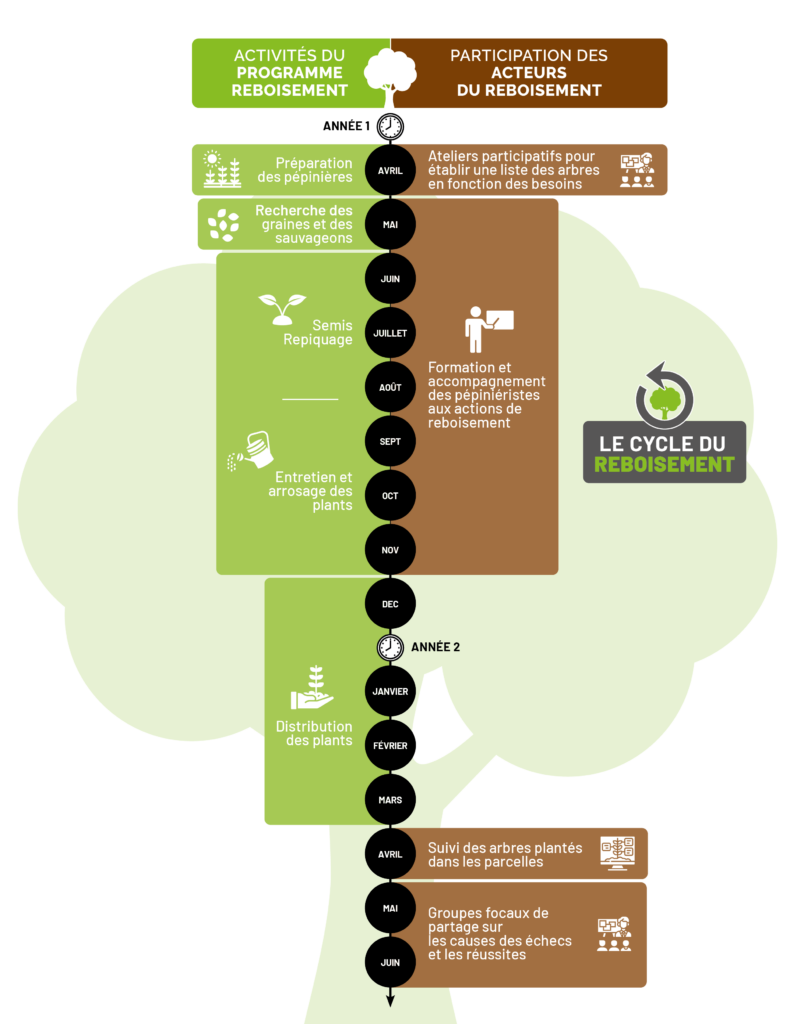
Reforestation actions are being carried out to The restoration of degraded land and improvement
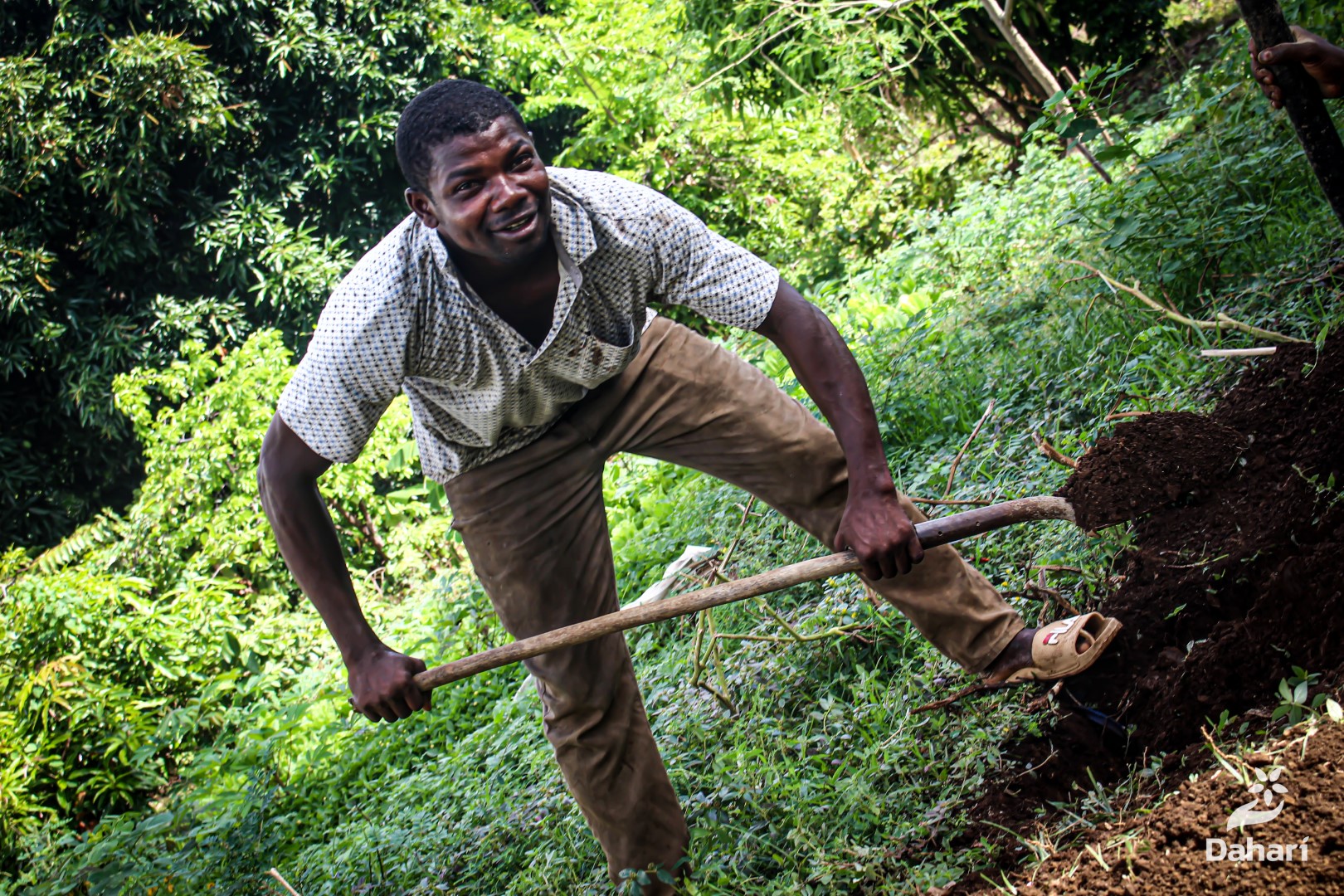
resilience and solidarity play a crucial role in the Reconstruction of communities after natural disasters.
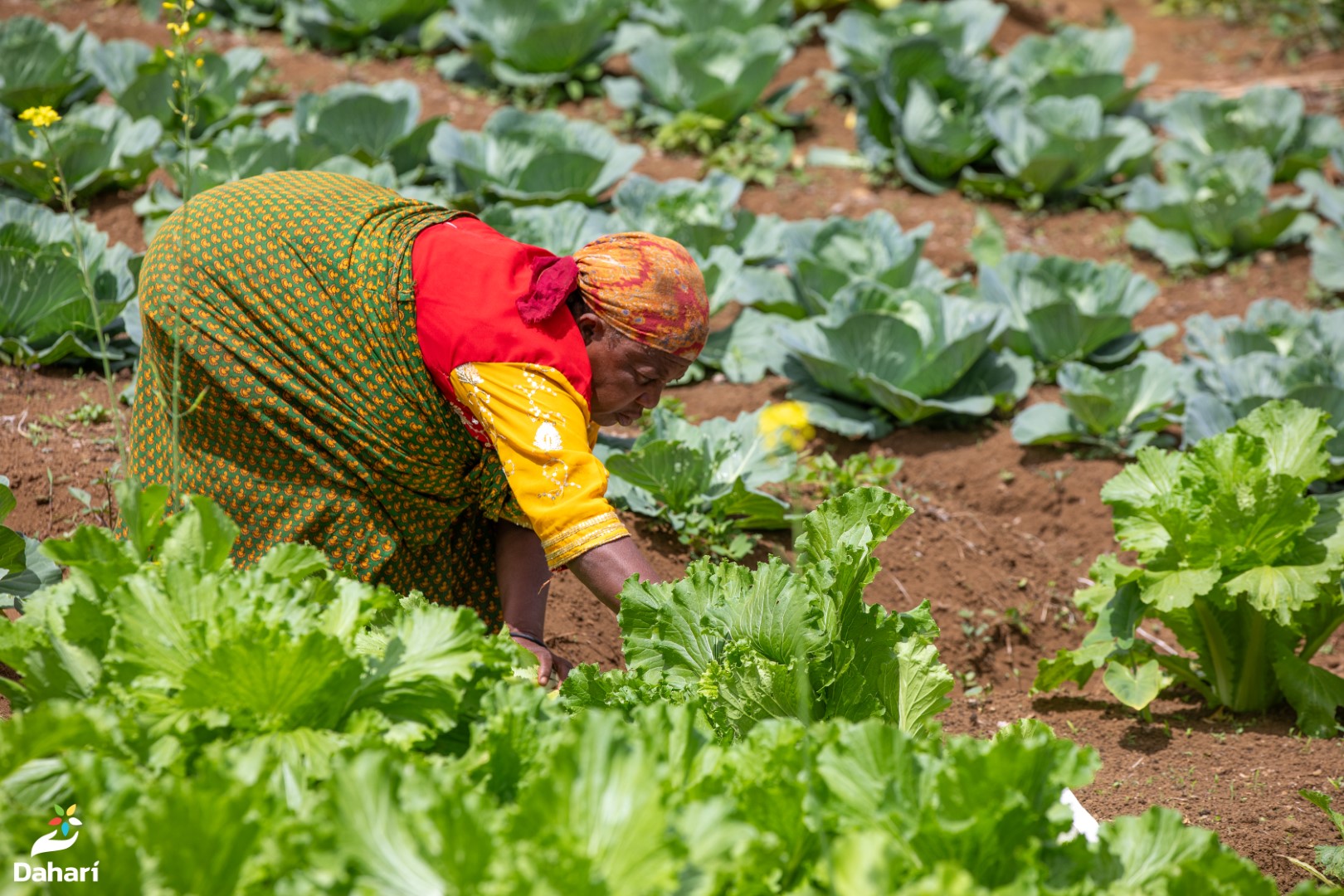
The organic market gardening improves yields while respecting the environment through a crop association technique.
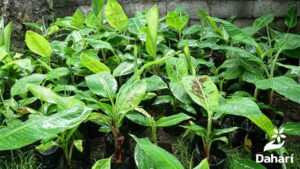
Plant tissue culture from stem fragments (PTS) technology allows for Quick banana plant multiplication, thus ensuring better yields.