
Forests
Our actions to conserve the forests of the Comoros
Agroforestry
Marin
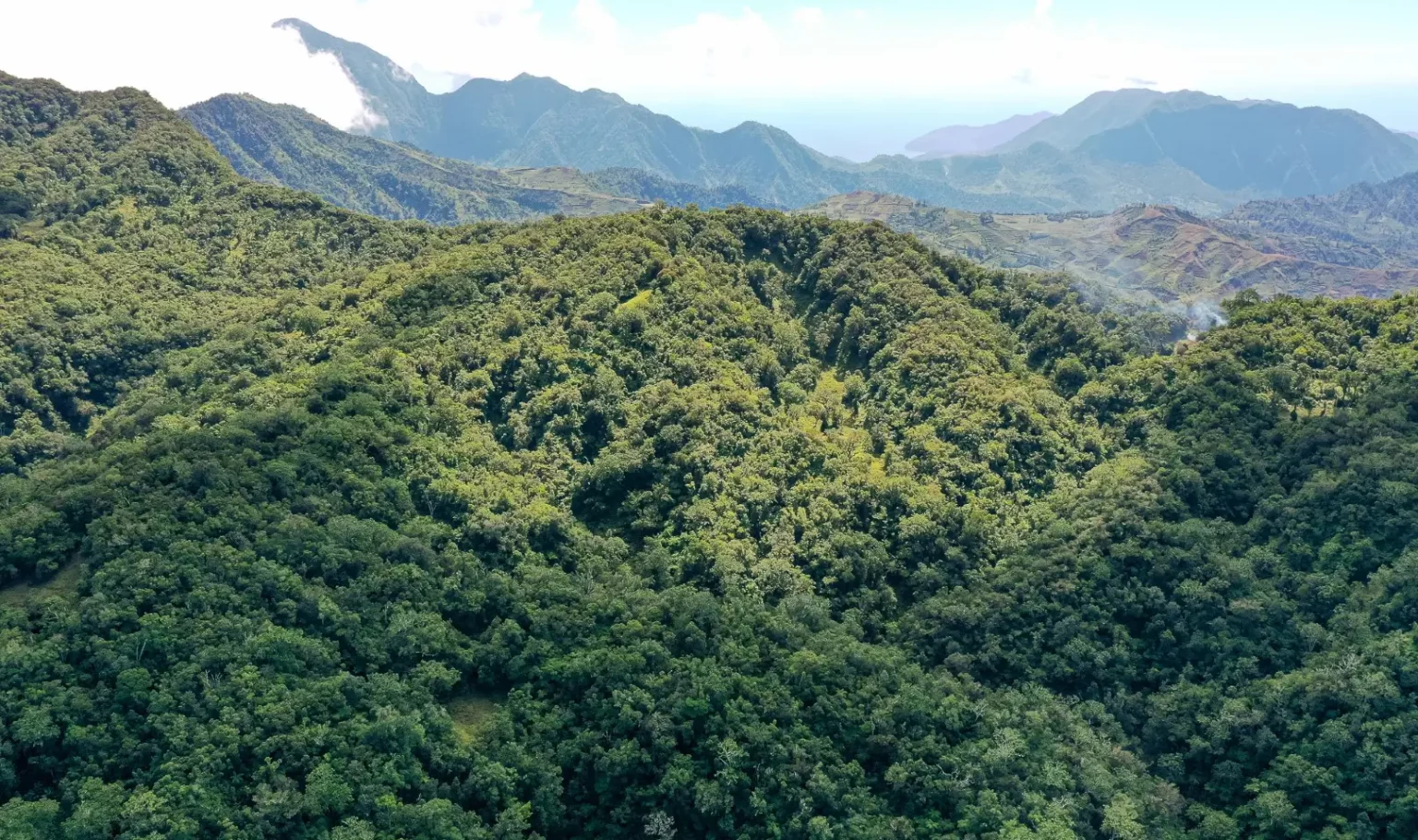
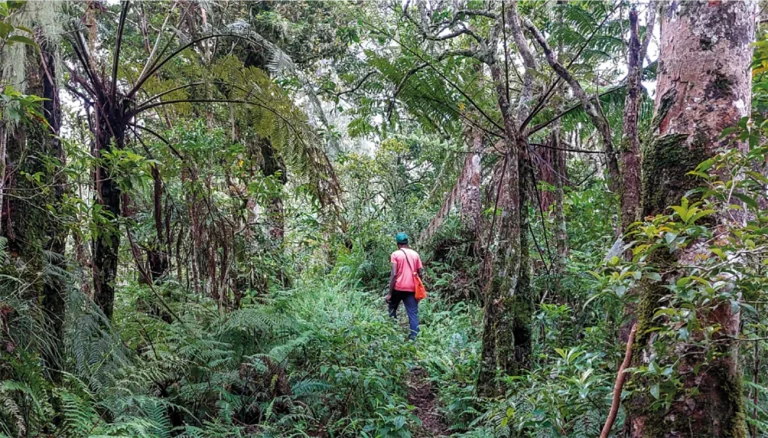
Fifty years ago, the island of Anjouan had around fifty rivers. Today, only ten permanent rivers remain. This disappearance has in part been caused by the loss of around 80% of Anjouan’s natural forest, which also impacts soil fertility due to erosion.
This situation stems from unequal land distribution, which pushed the poorest people to open new fields in the forest. Pressure on the forest has intensified due to heavy reliance on agriculture, widespread poverty, and rapid population growth. Today, the felling of large trees continues for timber extraction, to supply the local market and for building houses.
Since the end of the severe sanctions imposed for infractions by the colonial administration, the deforestation problem has remained intractable.
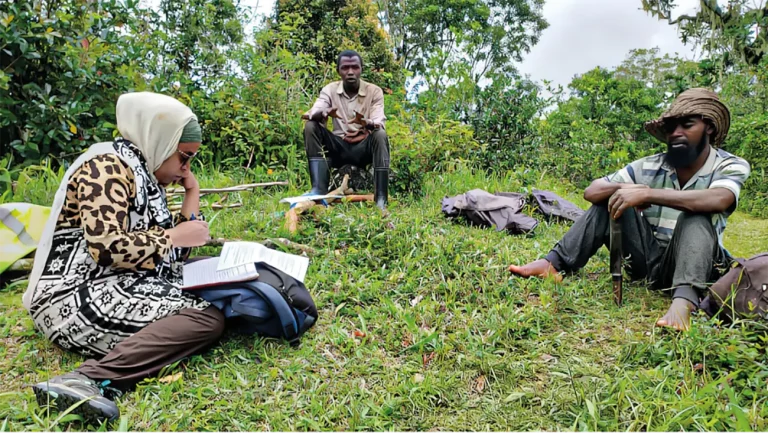
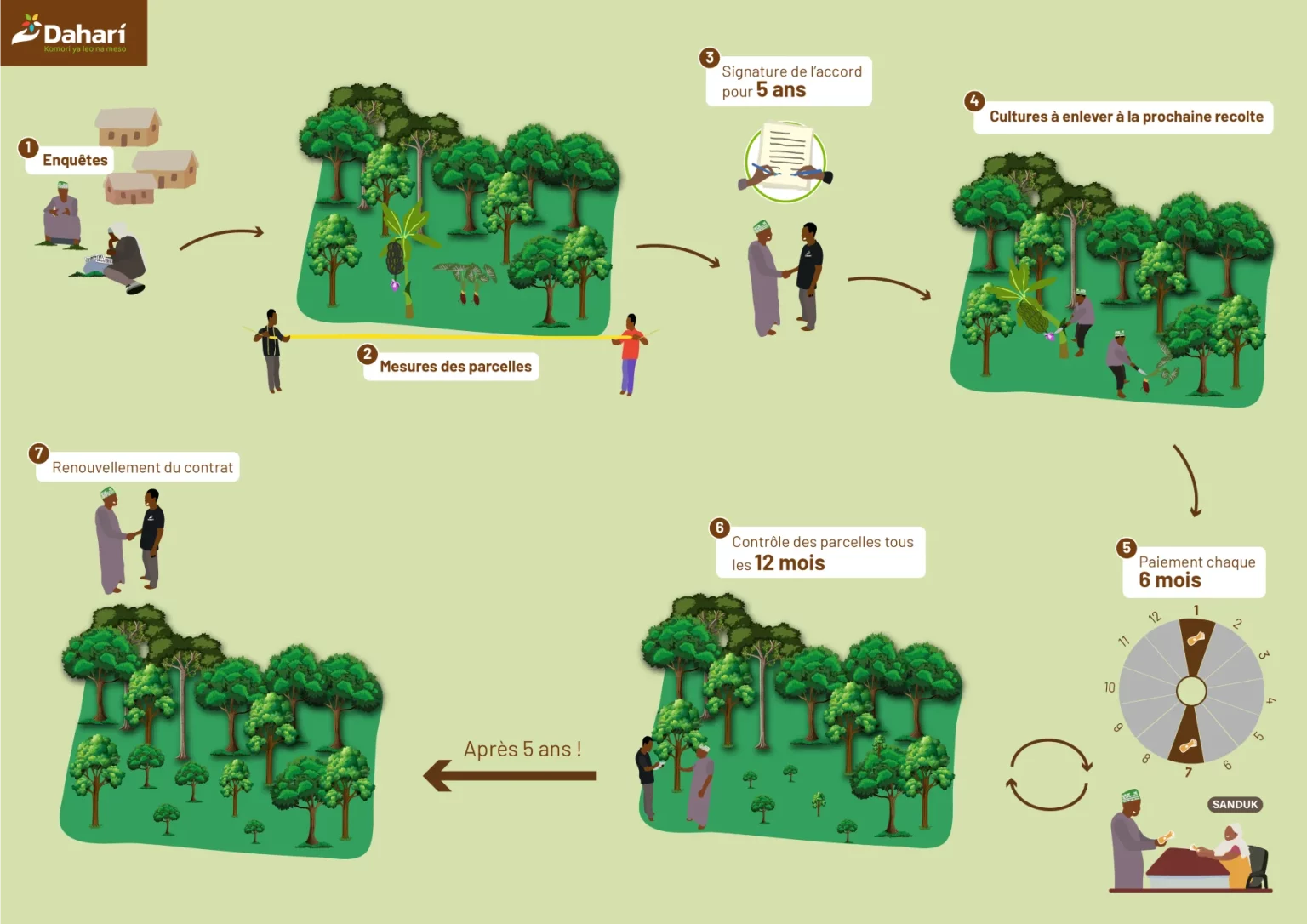
It is in this context that Dahari launched its Forests Programme in 2022, based on an innovative approach for the Comoros that is complementary to the establishment of protected areas. The idea is to sign agreements with farmers owning land in the highlands of Anjouan to protect the forest, secure water resources, and preserve endemic biodiversity. The farmers receive regular cash payments in return for leaving their fields in fallow and committing to stop logging.
With the support of:




Our key results
Our approach to forest conservation agreements
Why this approach of individual agreements?
The steps towards signing an agreement
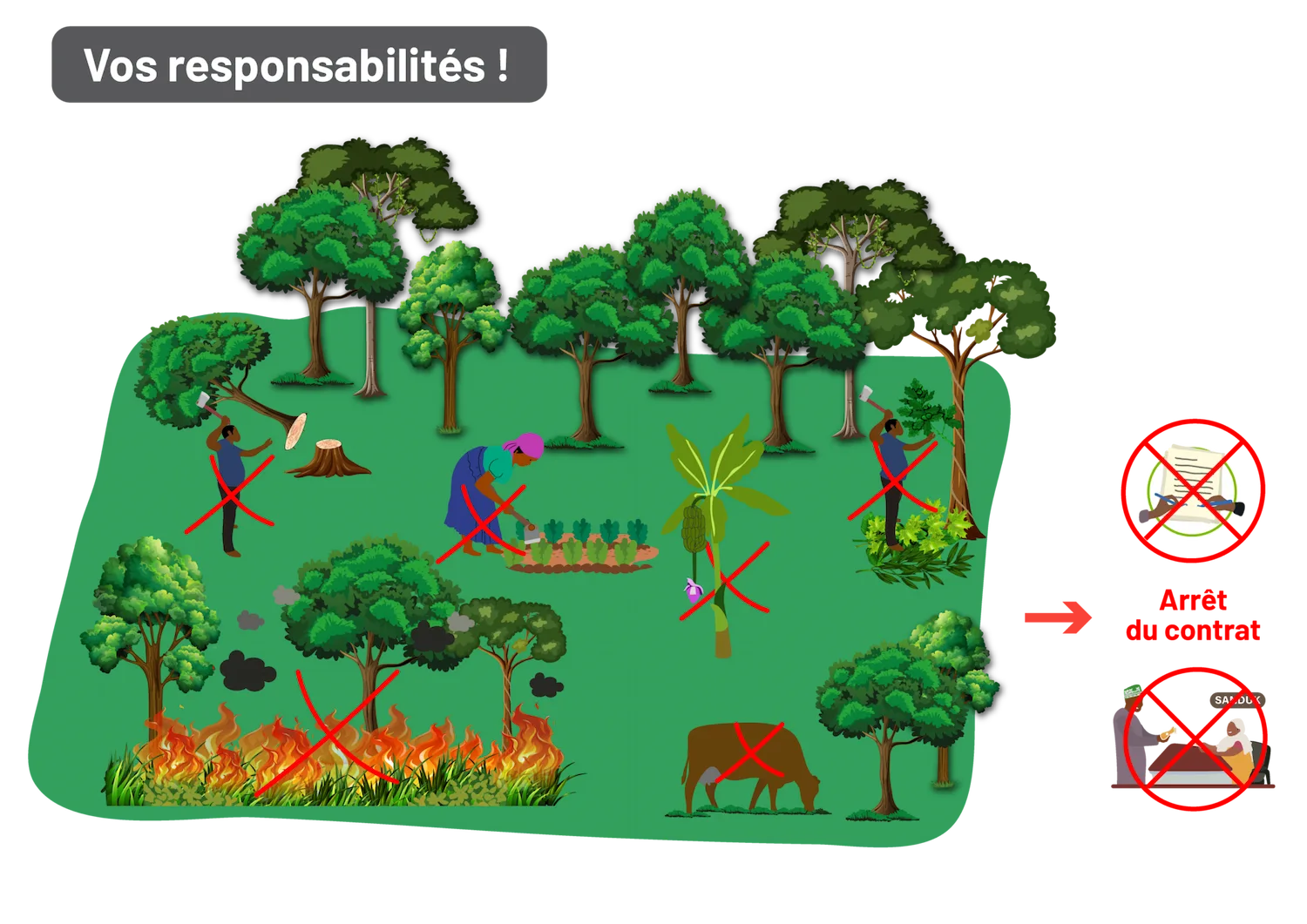
Commitments of signatories
Commitments of Dahari
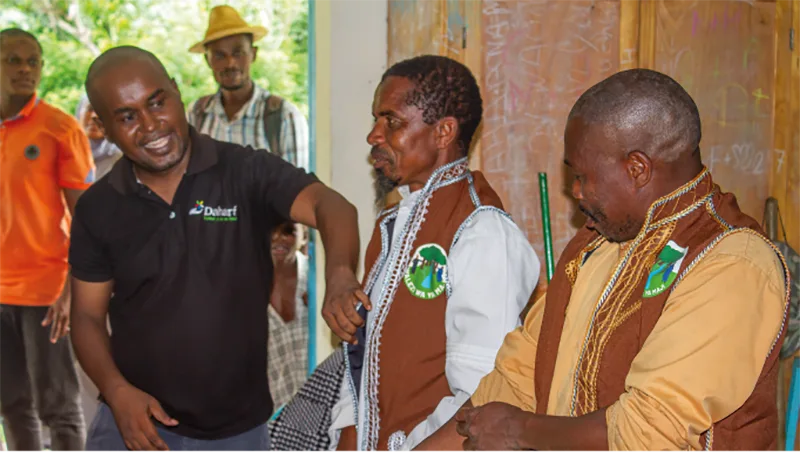
Learning and impact monitoring
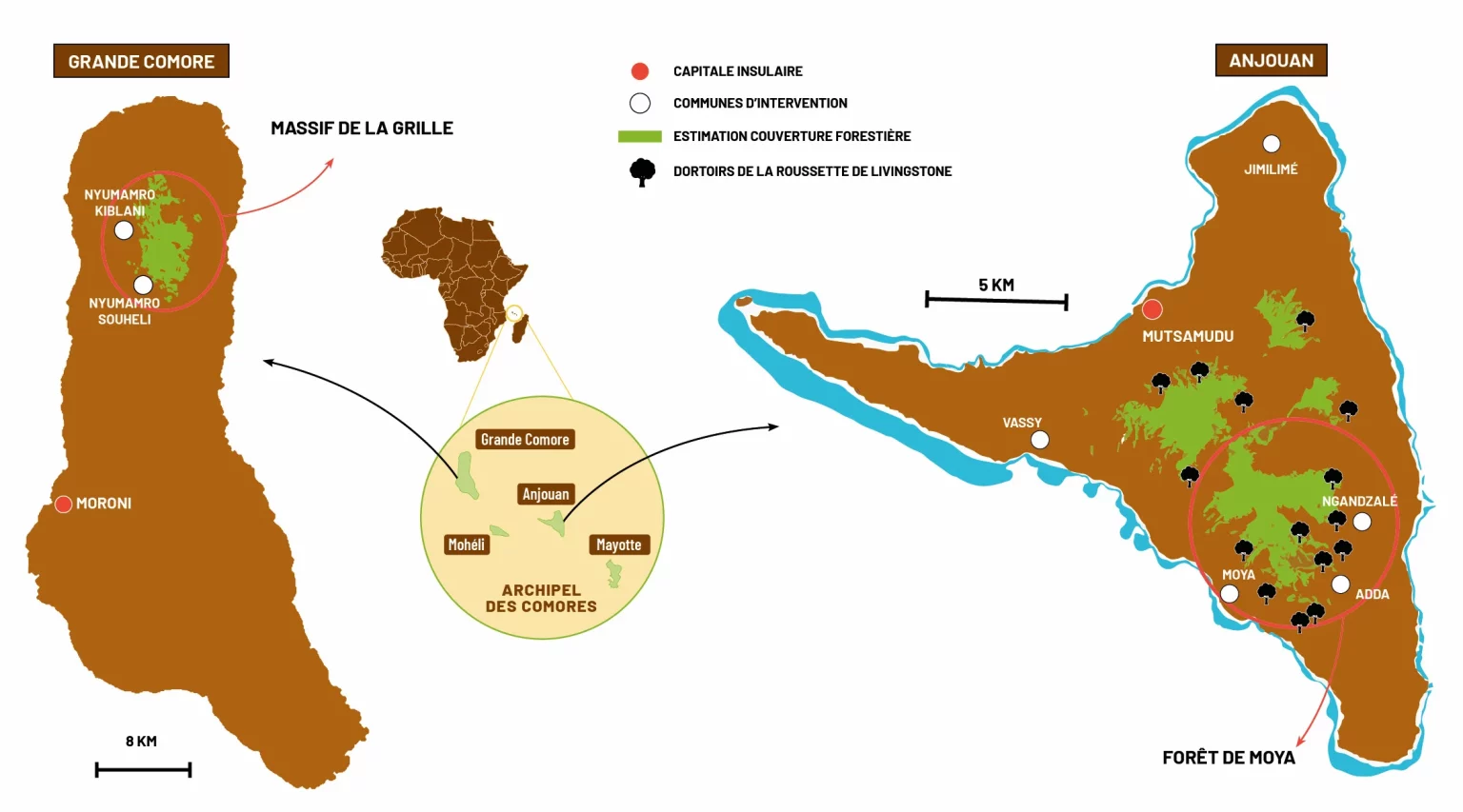
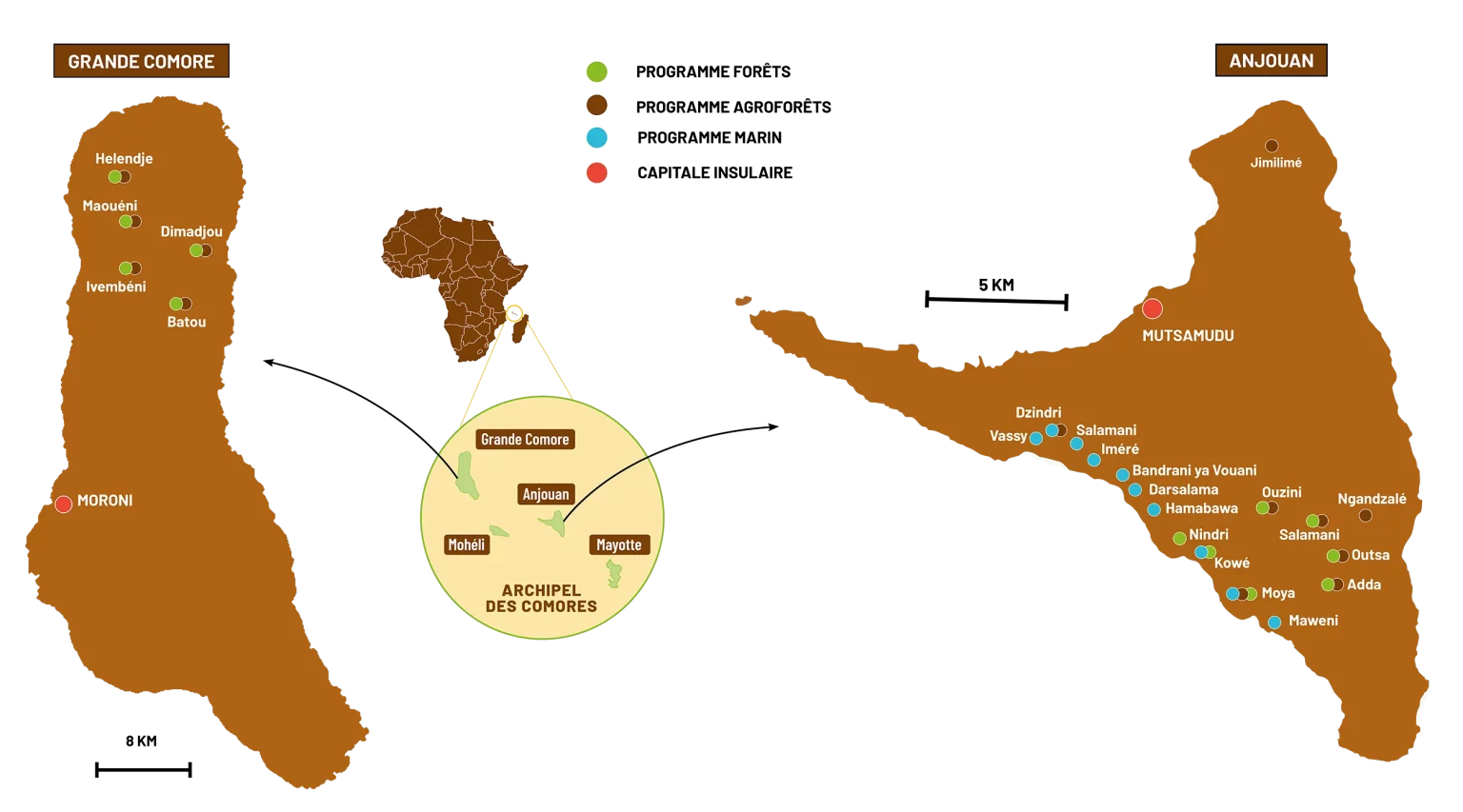
Our intervention areas for the Forests program
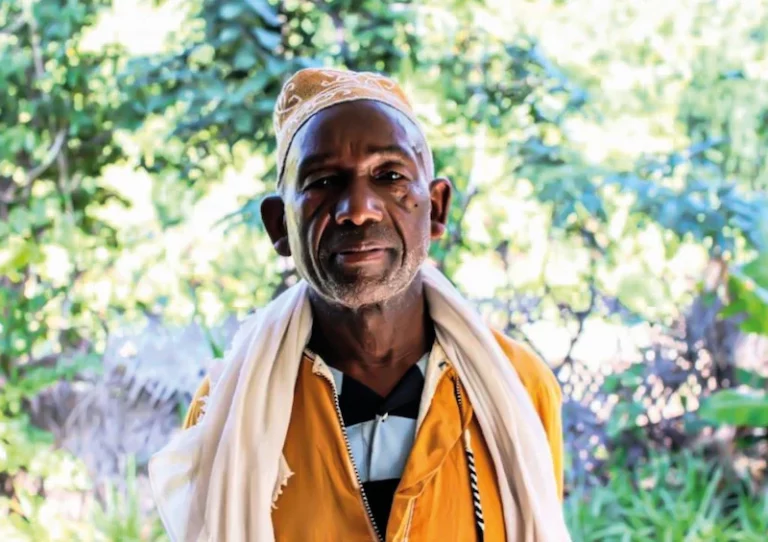
Nabouhane Abdallah, 77 ans, raconte l’histoire de la déforestation dans la région d’Adda et les conséquences sur les ressources en eau et la fertilité des terres à Anjouan.
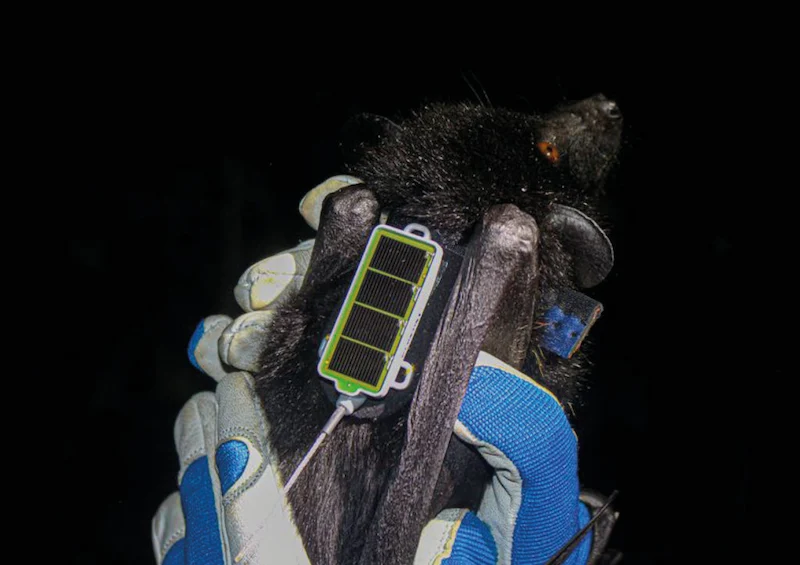
Les résultats de notre étude sur les roussettes de Livingstone avec tags GPS
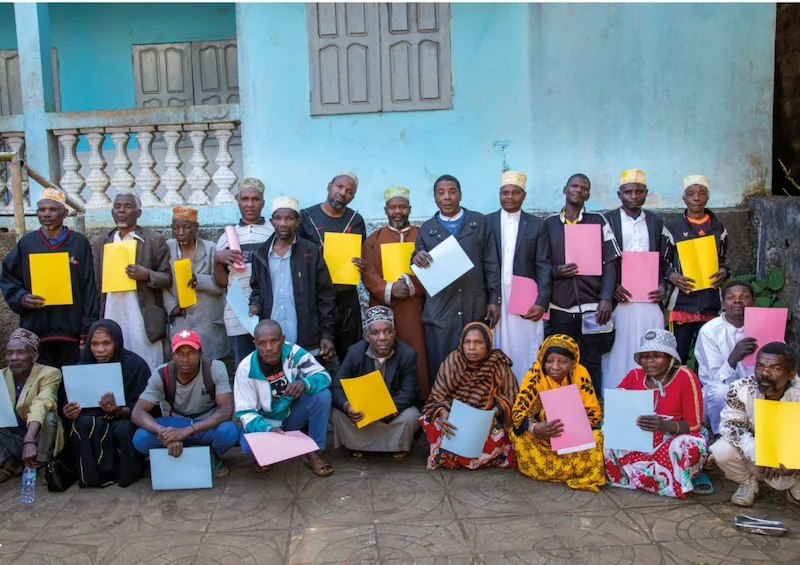
30 accords de conservation signés : Premier pas vers la restauration des forêts d’Anjouan
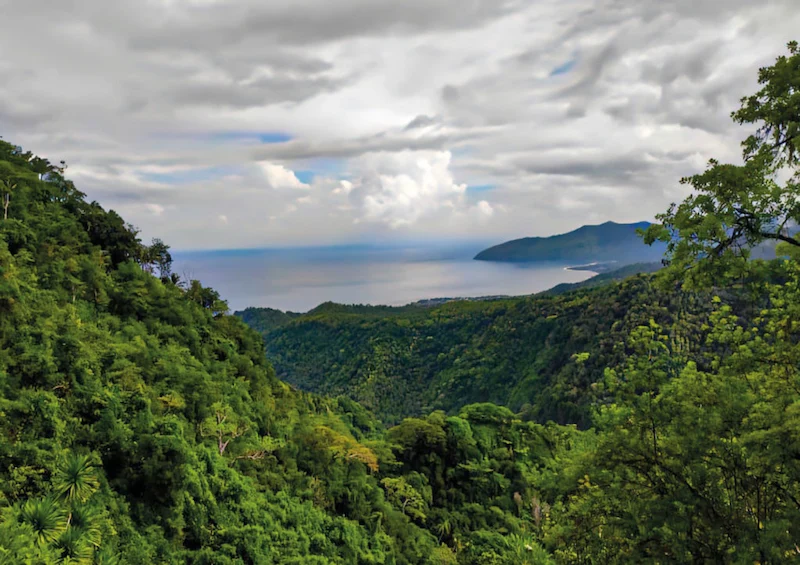
Pour soutenir les efforts de conservation forestière, nous avons développé une approche novatrice
visant à restaurer les écosystèmes forestiers des Comores