11 September 2020
Three years with the European Union in numbers
The «Agricultural Development Model Expansion» project, implemented between 2017 and 2019 and funded by…
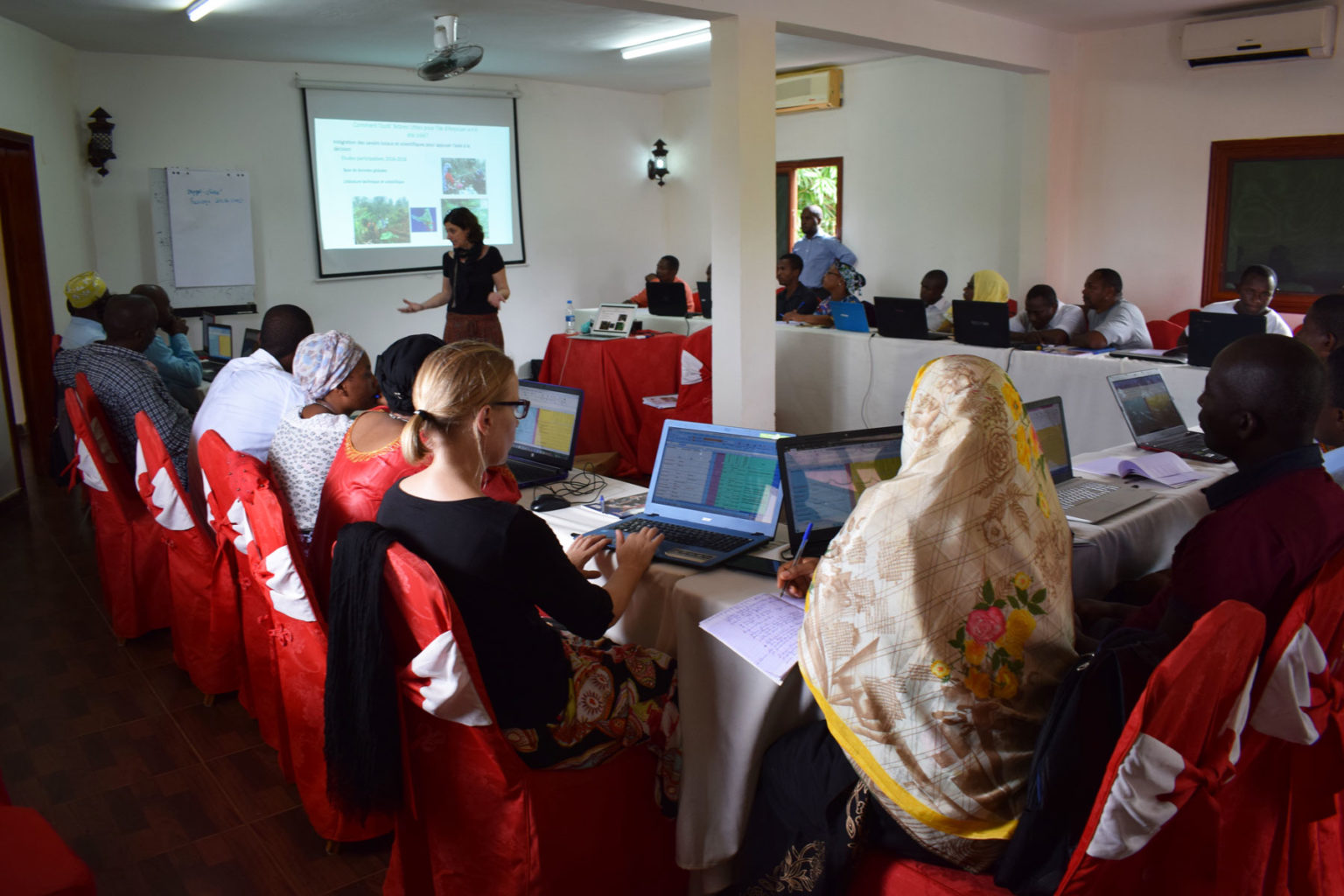
How can we achieve sustainable natural resource management systems? How can trees be integrated and planted within agricultural fields? How can the needs of farmers be met? Which agroforestry practices should be prioritized? These are some of the questions and topics addressed on January 21st during a training session led by Dr. Emilie Smith Dumont—a trainer and specialist in agroforestry systems—and Misbahou Mohamed, Technical Director of the NGO Dahari.
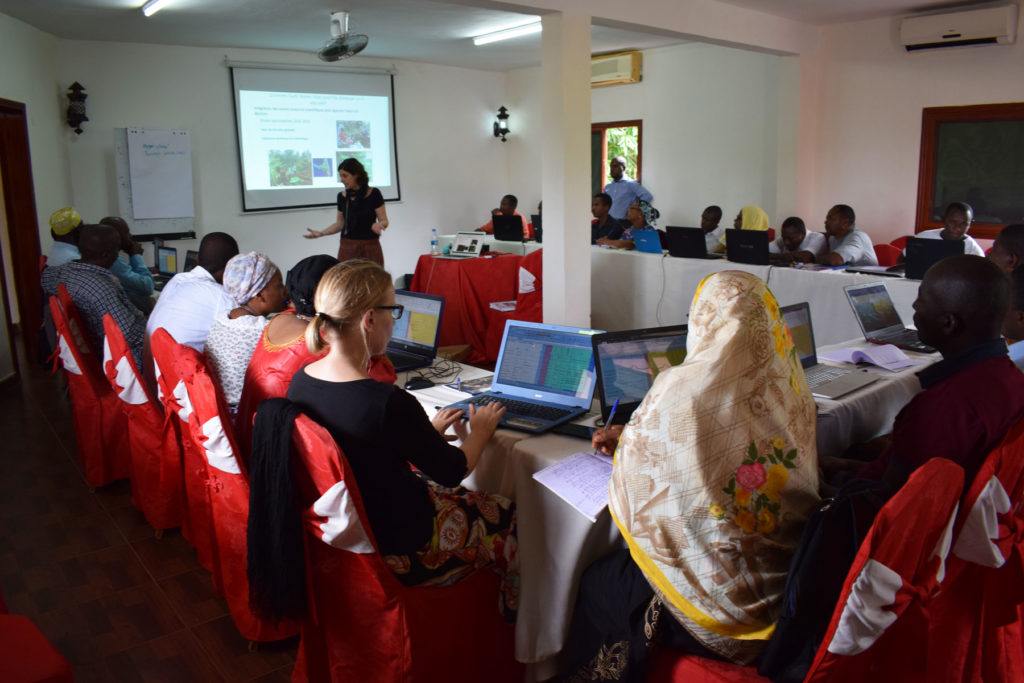
Organized by theBangor University and World Agroforestry Centre (ICRAF) and with the financial support of Darwin InitiativeAs part of the project "Landscape approach to enhance biodiversity and livelihood resilience in the Comoros," this training focused on the principles of selecting, propagating, and managing trees to promote the adoption of sustainable agroforestry practices on the island of Anjouan.
Whether they were agricultural technicians, staff at NGOs or Regional Economic Development Centers (CRDE), agents from the Directorate of Environment, Forests, and Agriculture, or academic researchers, the 27 participants—including 8 women—who gathered for the training were all involved in the management of natural resources on Anjouan, with a particular focus on trees.
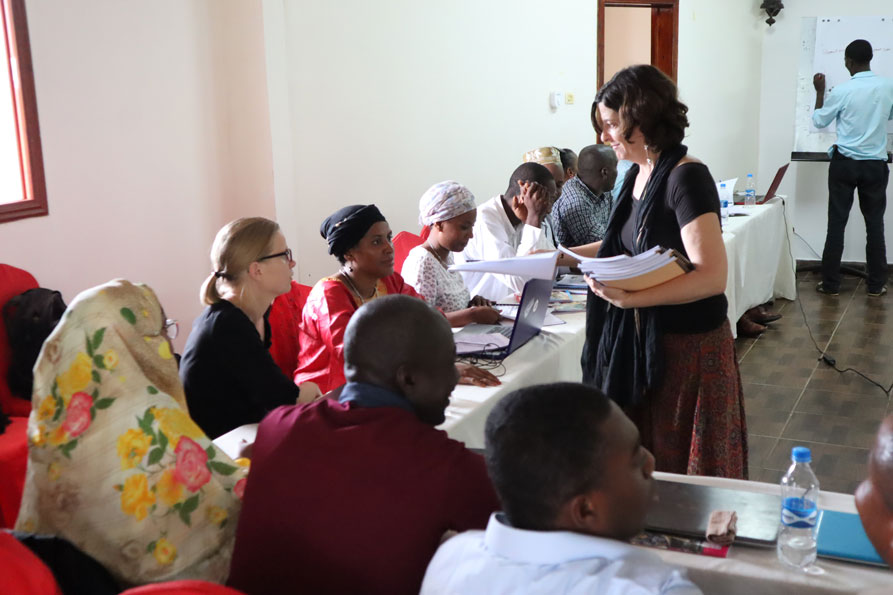
Throughout the day, the trainers introduced the guests to a participatory and adaptable tool called "Useful Trees" ("Arbres Utiles"), designed to support decision-making regarding the selection and management of trees for agroforestry interventions. This tool was created by combining the results of participatory research with existing scientific information on local tree species, presenting it in a simple, accessible format to help users make the right choices—ensuring the right tree is planted in the right place. This initial version of the tool covers 77 tree species (both native and exotic) and compiles a range of data about them, including: local and vernacular names; the services they provide (such as soil fertilization, erosion control, land reclamation, waterway stabilization, and biodiversity support); the products they yield (firewood, fodder, timber, medicinal products, fruits, etc.); and other key attributes (suitability for live hedges, coppicing, or use as living stakes).
During the practical exercises, the trainers took care to remind participants of the precautions to be observed before introducing a new tree species into an environment or promoting exotic species. This is because certain species can become "invasive" and have a negative impact on ecosystems.
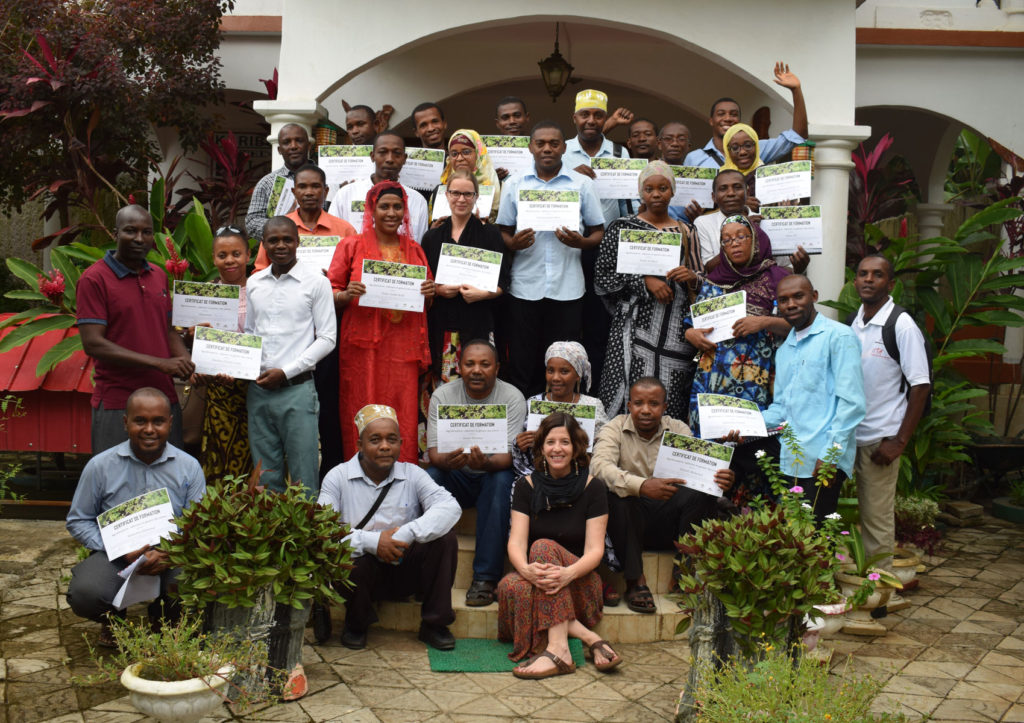
The training continued, covering topics such as tree propagation (guidelines for seed production, vegetative propagation, etc.) and tree management (pruning, topping, coppicing, thinning, etc.).
"Which species should be recommended for reforestation in Anjouan?" By the end of the day, participants were able to conclude that there is no single species—or set of species—that should be universally promoted; rather, everything depends on the planting site, the needs of local communities, and the desired services: "The right tree, in the right place, for the right person."