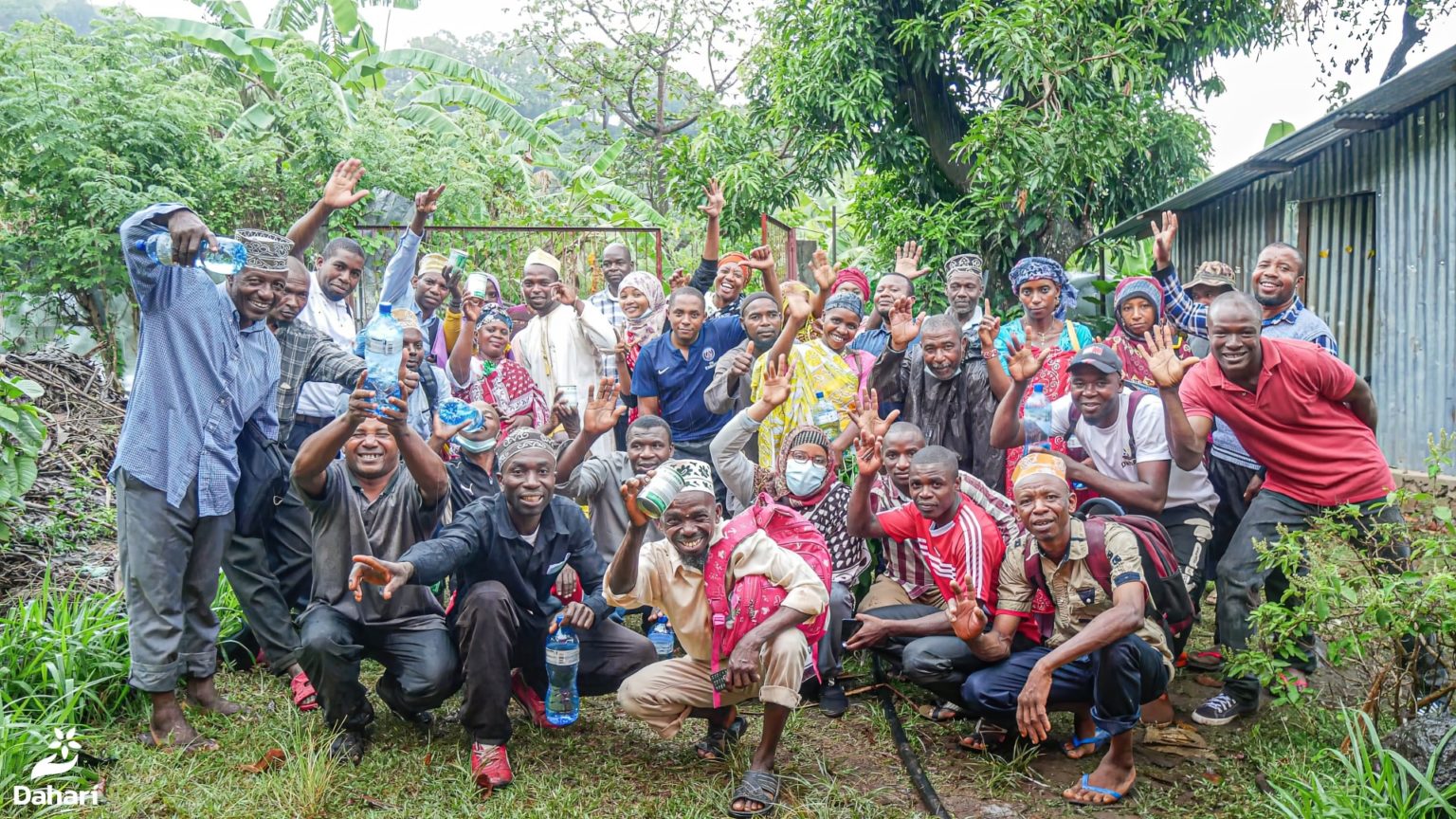
In January 2020, we signed a contract with The European Union (EU) on the« Development in the Union of the Comoros of a productive and climate change resilient agroecological model »This project targeted 21 villages in seven communes of Anjouan and three villages in two communes of Grande Comore.
The resumption of agricultural activities post-Kenneth in figures
The Covid-19 pandemic impacted the start of this new project, which aimed to boost production following Cyclone Kenneth in 2019. Despite this, we achieved a very strong catch-up to reach the expected results.
We organised two Farmer Field School modules on the key themes of integrated production and pest management for market garden crops, as well as crop association and rotation for food crops. We then provided six other ad-hoc training sessions on composting, soil defence and restoration, plant pathology, the integration of livestock into agriculture, and potato cultivation and maintenance.
The training courses have been able to strengthen beneficiaries' knowledge of improved techniques for multiplying food crops, directly ensuring an impact on food security.
- 6 500 farmers who have been mobilised and supported, including 51 % women, from 417 farming groups.
- 3 080 producers have installed 305 Banana plant shoots.
- 26 000 Banana seeds planted.
- 96 000 Cassava cuttings and sweet potato vine cuttings planted.
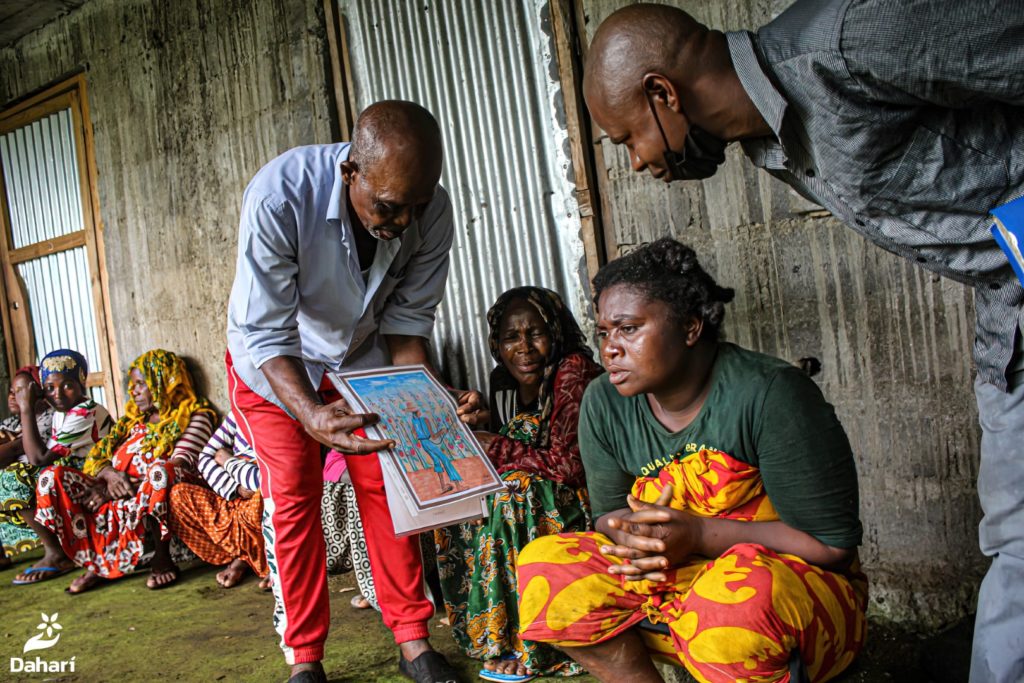
The adoption of agroecological practices has increased producers' incomes.
We were able to draw meaningful conclusions from the producers through focus groups. Thanks to our commitment over these three years, the feedback has been positive. 87 % of the beneficiaries report an increase in their productivity and 81 % have adopted at least one agroecological practice. For market gardening, these include, in particular: (1) intercropping, (2) crop rotation, (3) the establishment of improved nurseries, (4) improving soil fertility, and (5) soil conservation and restoration (SCR).
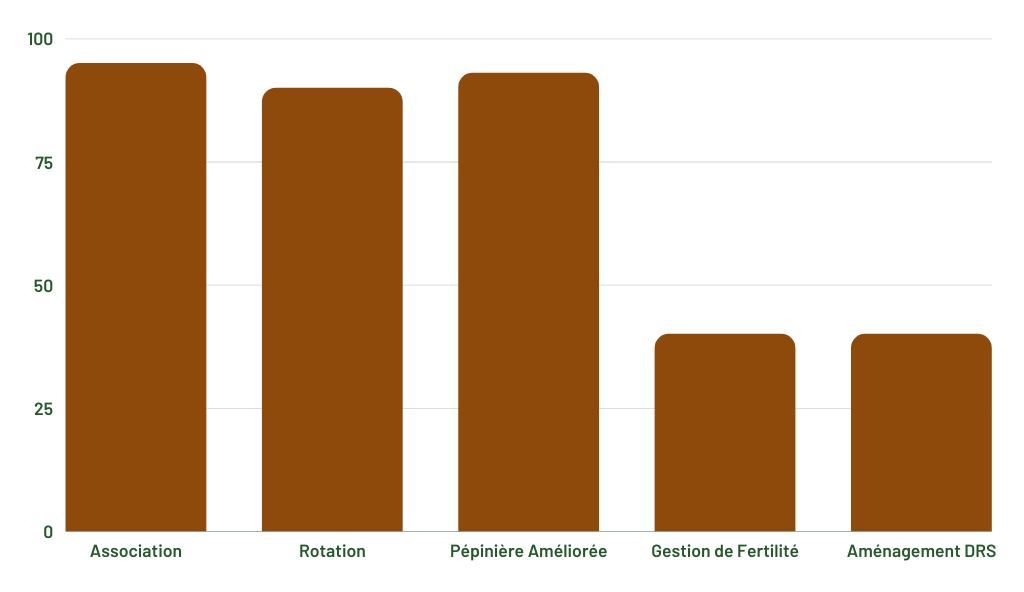 Figure: % of producers surveyed via focus groups in 2022 who had practised the promoted agroecological market gardening techniques.
83 of the most dynamic farmer groups have engaged in collective actions for integrated management of agricultural soil fertility: 125,000 Gliricidia cuttings have been used to establish hedges on 400 plots.
Three key tools across the project
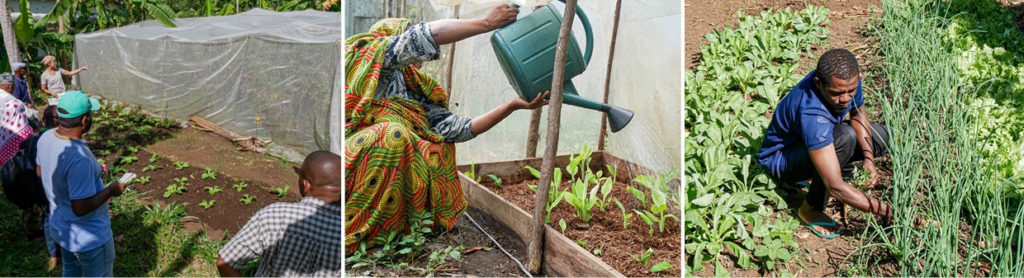 Among the agroecological technologies developed during this initiative, we have capitalised on three tools for further leveraging farmers' expertise. These documents and guides are available at our website:
- The insect net: The trial plots prevented 100 % attacks by the fruit fly (Tuta absoluta) during the market gardening season between March and August 2022. The marketable yield of tomatoes is 90 %, or even 100 %. In contrast, this percentage varies between 40 and 60 % on the control plots where no netting was used.
- Large-scale banana cultivation among farmers: To meet the demand for banana plants in the Comoros, we sought to master the rapid multiplication technique for banana plants using the Plantlets from Stem Fragments (PIF) method. We succeeded in perfecting this technique and training local growers to become self-sufficient.
- The association of market garden crops Through competitions for the best vegetable plots, we put farmer groups in competition. Organic production and crop rotation yielded very good results, which we have capitalised on to make them useful for local farmers.
Experience sharing with national stakeholders
We have undertaken collaborations with national stakeholders as part of training and exchanges on the promotion of agroecological techniques in the Comoros. 105 technicians external to Dahari have been trained through the organisation, with the National Institute for Agronomic and Environmental Research (INRAPE), of national and regional workshops on the promotion of agricultural techniques. These workshops brought together more than 40 participants each time, including representatives from the ministry and the directorate of agriculture, research institutes, and civil society institutions.
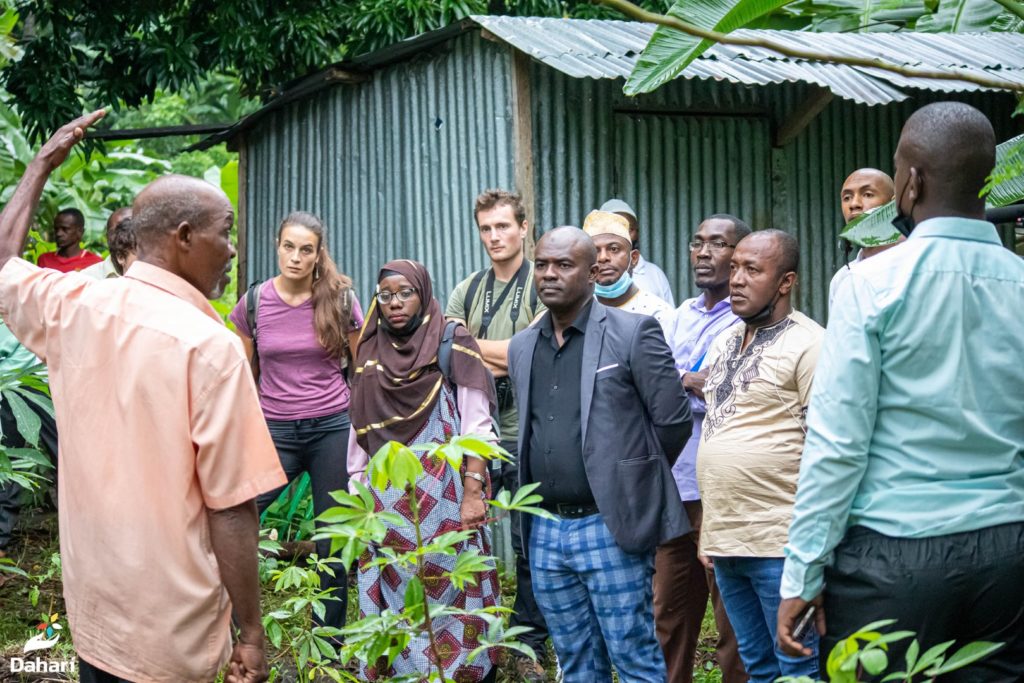
All this work will now be capitalised in a new «agroforestry» programme currently being developed. This programme aims for greater agroecological intensification and transformation in the Comoros. Furthermore, a «rapid» model is also being finalised which will allow for the widespread dissemination of these techniques following upcoming natural events.
We thank the European Union for its key support for our actions over the last three years.