16 April 2021
5 years of CEPF funding
Dahari is celebrating 5 years of collaboration with the Critical Ecosystem Partnership Fund by presenting you with key results from the...
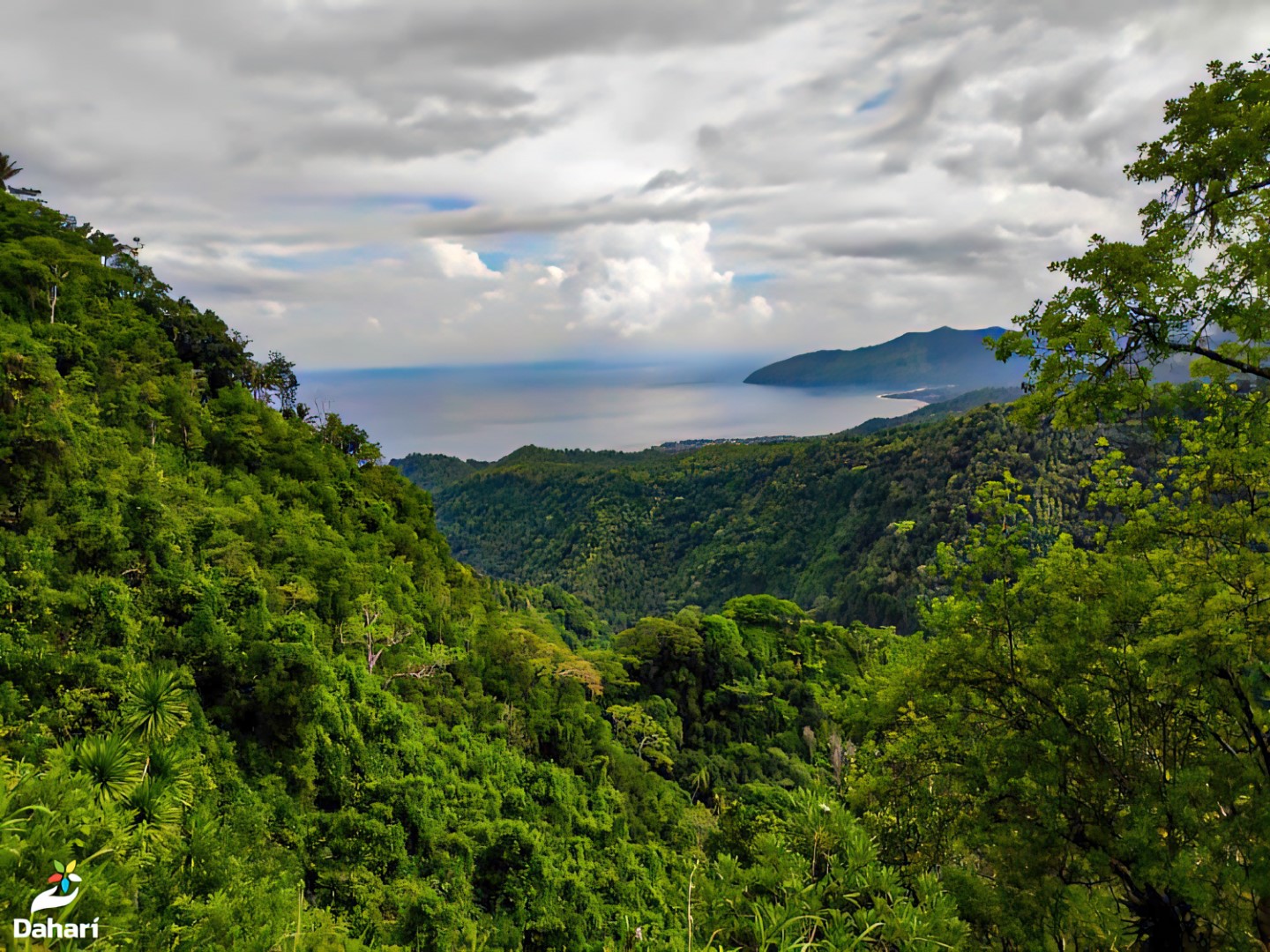
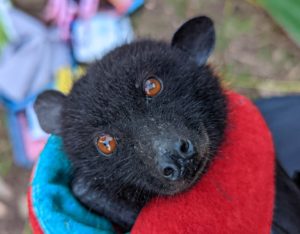
Today is World Forest Day. For this occasion, we are sharing with you the work we are doing to conserve and restore the indigenous forests of the island of Anjouan. Since 2015, we have entered into agreements with landowners to conserve seven roosting sites for the Livingstone's fruit bat, a critically endangered species.
We are now very pleased to announce the imminent implementation of a large-scale individual conservation agreement program to further conserve the indigenous forest.
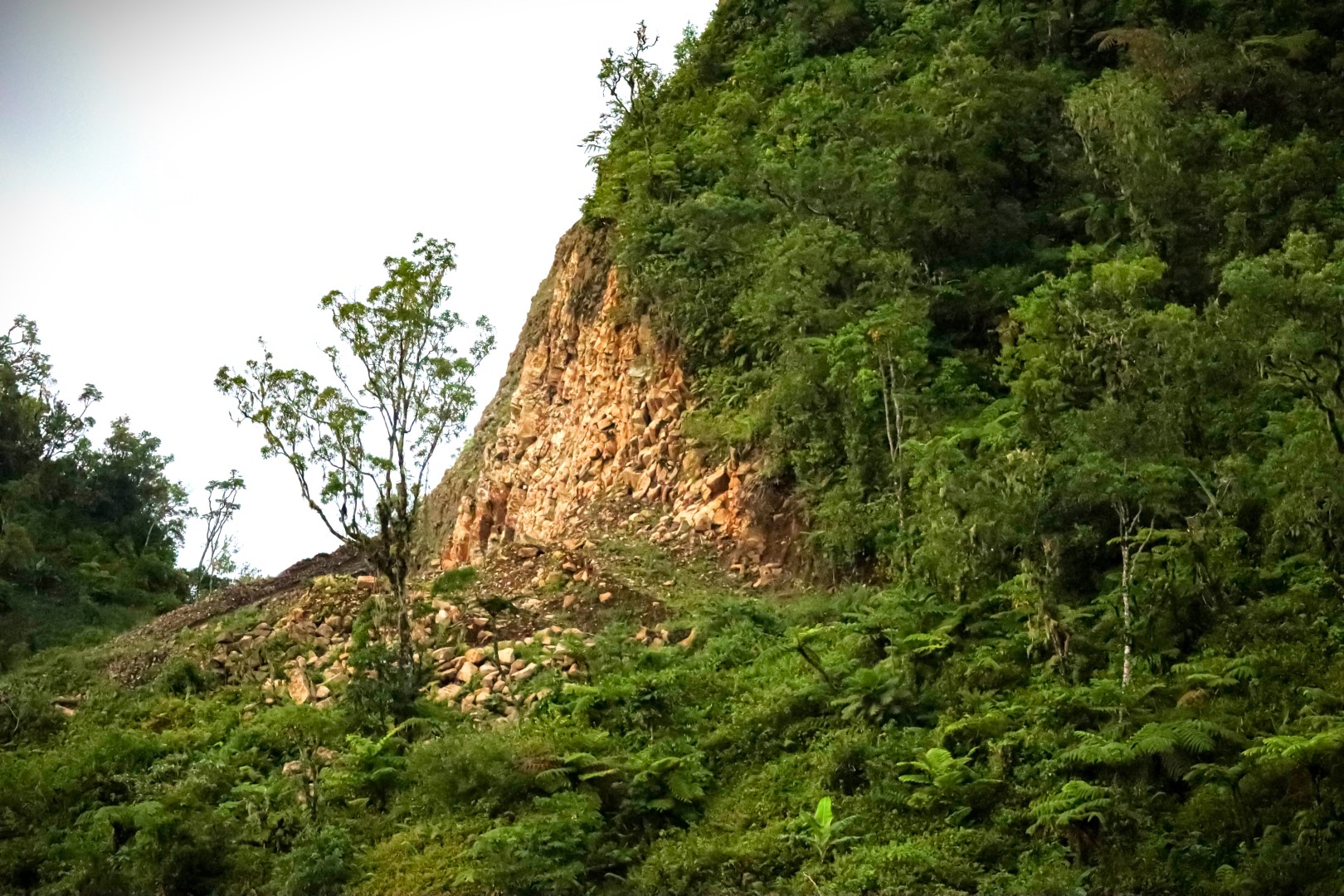
Anjouan has lost the vast majority of its indigenous forest in recent decades due to one of the highest deforestation rates globally. This forest loss not only threatens the survival of endemic species but also results in environmental changes on the island that pose severe social problems. The disappearance of the forest has reduced available water reserves and soil fertility, and erosion has led to the silting up of reefs. Although communities working near the forest are aware of the problem, previous efforts to reverse the trend have faced numerous challenges.
This is why we decided to adopt a new approach: individual conservation agreements. The basic idea is that farmers enter into an agreement with Dahari for forest conservation, undertaking not to clear wooded land or cut native trees on their plot. In return, they will receive materials or financial resources from the NGO.
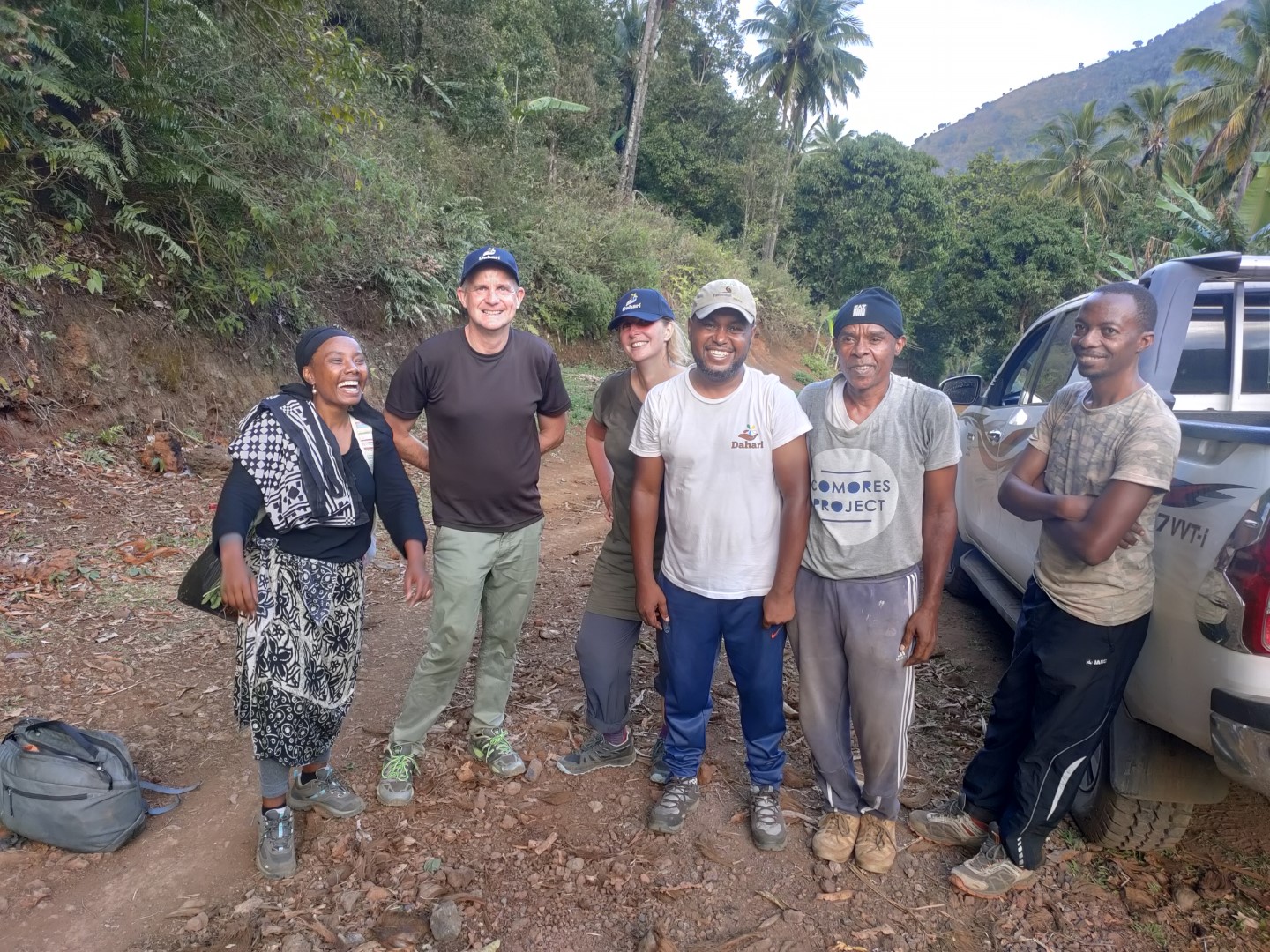
Since last April, we have been working on developing a robust programme of agreements suited to the context of Anjouan. Professors Julia Jones and Owen Lewis, from Bangor and Oxford Universities in the United Kingdom respectively, visited Anjouan last year to begin designing the programme. Dr Edwin Pynegar has been working on the ground with us since October, bringing the experience and knowledge from his previous role, where he worked on establishing conservation agreements in Bolivia.
We are also very pleased to receive advice from a group of international experts on conservation agreements, and to work with Comorian experts on the land tenure regime of Anjouan and other legal aspects.
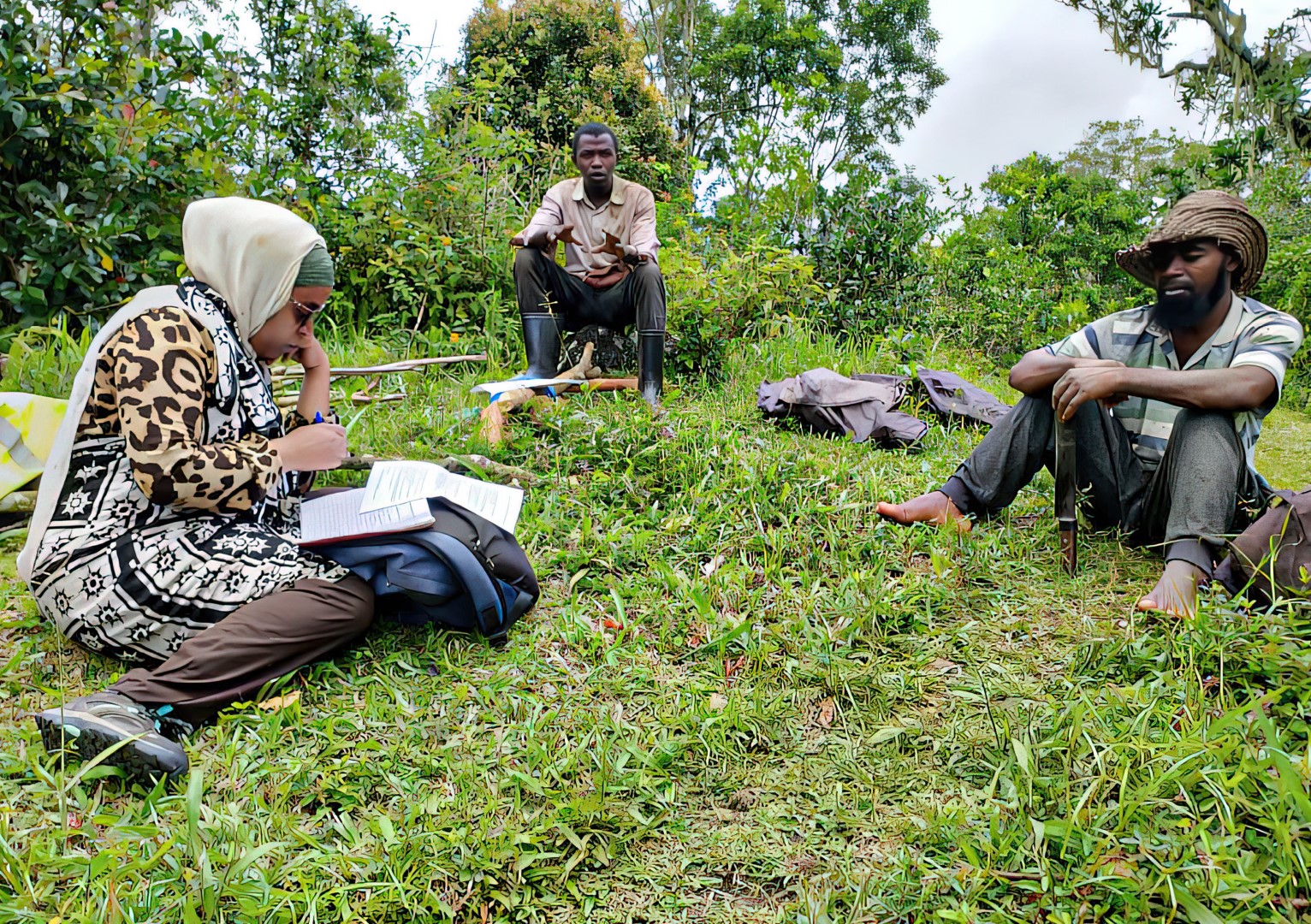
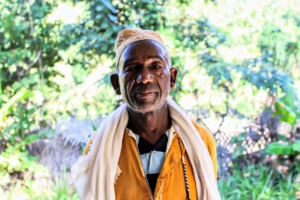
We asked farmers working on the forest edge how they use their land, why they decide to cut trees, and what they think of a fair deal.
In the coming weeks and months, we will be conducting more interviews and group discussions. We will then launch a study to scientifically assess the impact of the agreements on deforestation, biodiversity, and water resources.
The programme will soon be offered to farmers in the highlands of Anjouan and we will sign an initial series of agreements by the end of September. The programme will be rolled out gradually over the coming years, with the aim of conserving at least 1000 hectares of indigenous forest by 2027.
Guy Boussougou, Yao Télesphore Brou, Ibrahim Mohamed. Changes in forest cover on the island of Anjouan between 1995 and 2014. Spatial Analysis and GEOmatics conference, SAGEO 2015, Nov 2015, Hammamet, Tunisia. hal-01478236