
18 April 2025
Here are our five key developments for 2024!
Continuing the format launched last year, our 2024 Annual Report offers you a visual immersion into the heart of...
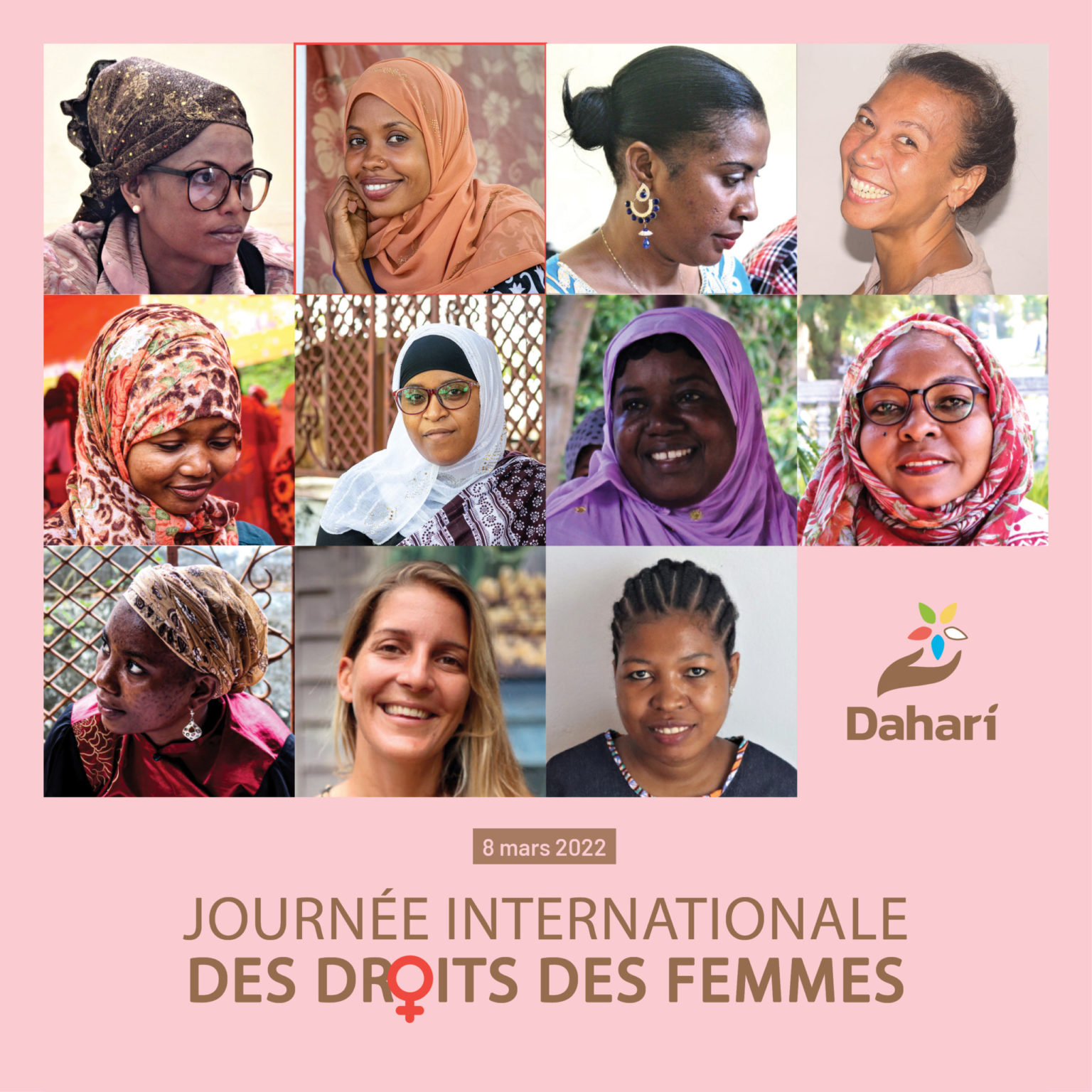
On the occasion of International Women’s Day, we extend our best wishes to all Comorian women. Our mobilizers, Raïssa Bakari and Haboulati Said—who work in the rural development sector—shared their perspectives on professional life, and specifically on their roles at Dahari, in a recent interview.
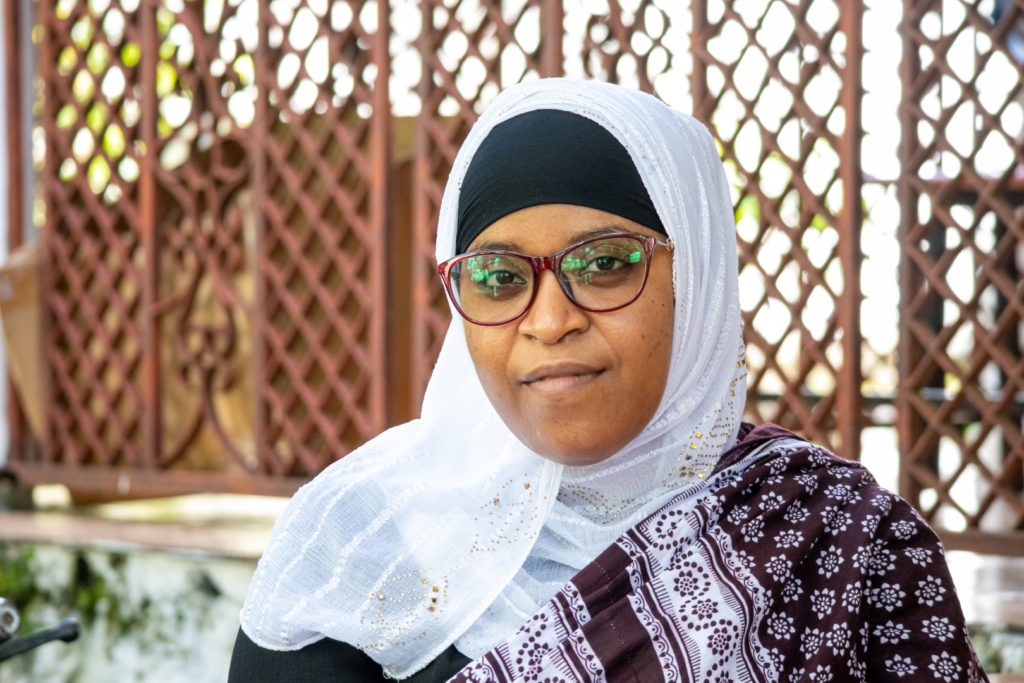
I chose to work at Dahari because I learned that they focus on community-level development and environmental protection, as well as on best practices for safeguarding and preserving our environment.
Given our social norms and customs, it is not easy for a woman to approach men—to bring them together and engage in discussion with them. Yet, in our role as mobilizers, we must reach out to people, get to know them, and become familiar with their community. The greatest challenge we have faced as women is approaching men in public spaces to talk—something that is not typically done. Tradition dictates that women should not go to public areas where only men are present. Over time, however, we have learned how to approach them and earn their trust; they no longer disparage us for being women, but instead listen to us and support everything we do.
We often work alongside men, and every suggestion we make is taken into account. They don’t label an idea as coming from a woman; instead, we consult, plan, and organize together, carrying out our initiatives to achieve our goals. Sometimes, they even place us in charge of specific activities—never thinking, "She’s a woman, she won’t be able to handle it." Within the community, we are occasionally called upon by groups consisting of men to help resolve conflicts or address other issues; that is what makes me feel valued.
I encourage women to pursue careers in the fields of agriculture and the environment, because the fight for healthy food concerns everyone. Protecting our environment and conserving our biodiversity require the participation of one and all.
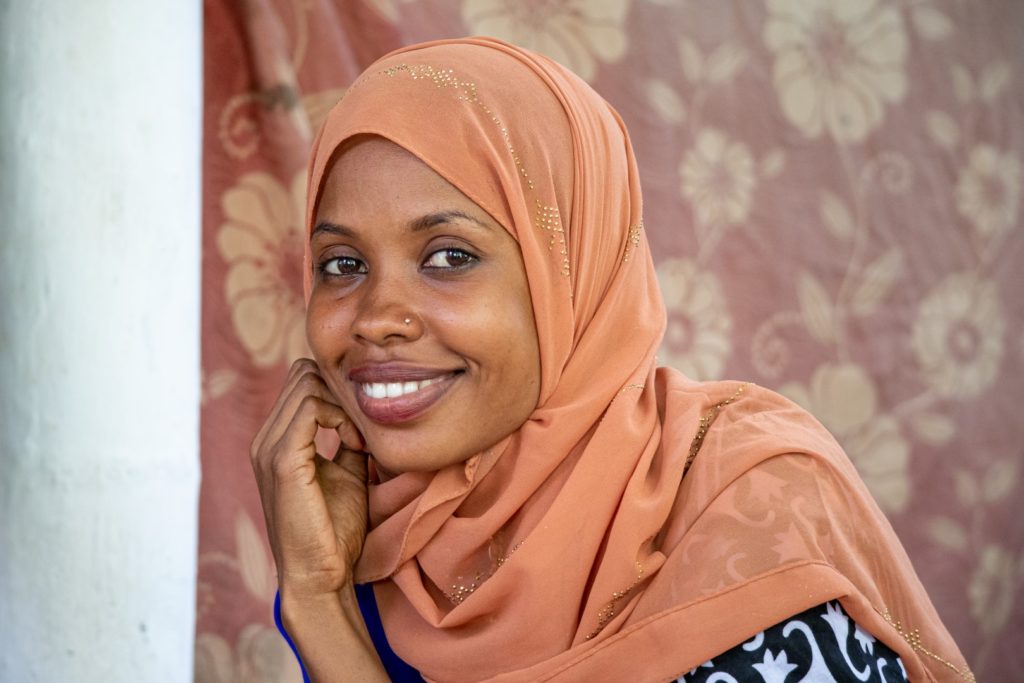
I chose to work with Dahari because I want to contribute to the development of my country. As a social mobilizer, I work within various communities, which allows me to have direct contact with many people and become integrated into their communities. The organization also focuses on the preservation and regeneration of forests.
The greatest challenge I have faced in the workplace as a woman is "integration." Given our cultural norms, it is not easy to be a woman—especially when you have to engage with a group of men and get them to embrace your ideas. There was also the issue of having to stay on-site; at the time, there was only one room available. Whenever all the technicians were in the field, the room couldn't accommodate everyone, so we had to find places to sleep in the homes of local residents. Our families back home would worry about our well-being, wondering if we were doing alright. It was a stressful situation, but through successful integration, we managed to overcome this hurdle. The Dahari administration also made every effort to secure well-equipped facilities. Now, in every village where we work, we are able to find a comfortable place to stay.
Our integration went so well that people have embraced us. They have aligned themselves with our cause to such an extent that they sometimes even help us organize gatherings. I now have the luxury of saying that people are no longer difficult toward us.
The moments when I feel most valued are during the decision-making process. We are all there—men and women alike—sharing our ideas, and our proposals are never dismissed simply because we are women. On the contrary, our ideas are given full consideration, and in those moments, I feel that I, too, am making a meaningful contribution—that is what brings me the greatest satisfaction. This same spirit exists throughout our team; we are involved in various workshops where our opinions carry just as much weight as those of the management, for instance.
Our biodiversity is under threat, and it is not just men who will be able to drive progress. We women also have a role to play. This requires the participation of everyone, without exception—all those who feel ready and prepared to help move things forward for the development of our country.