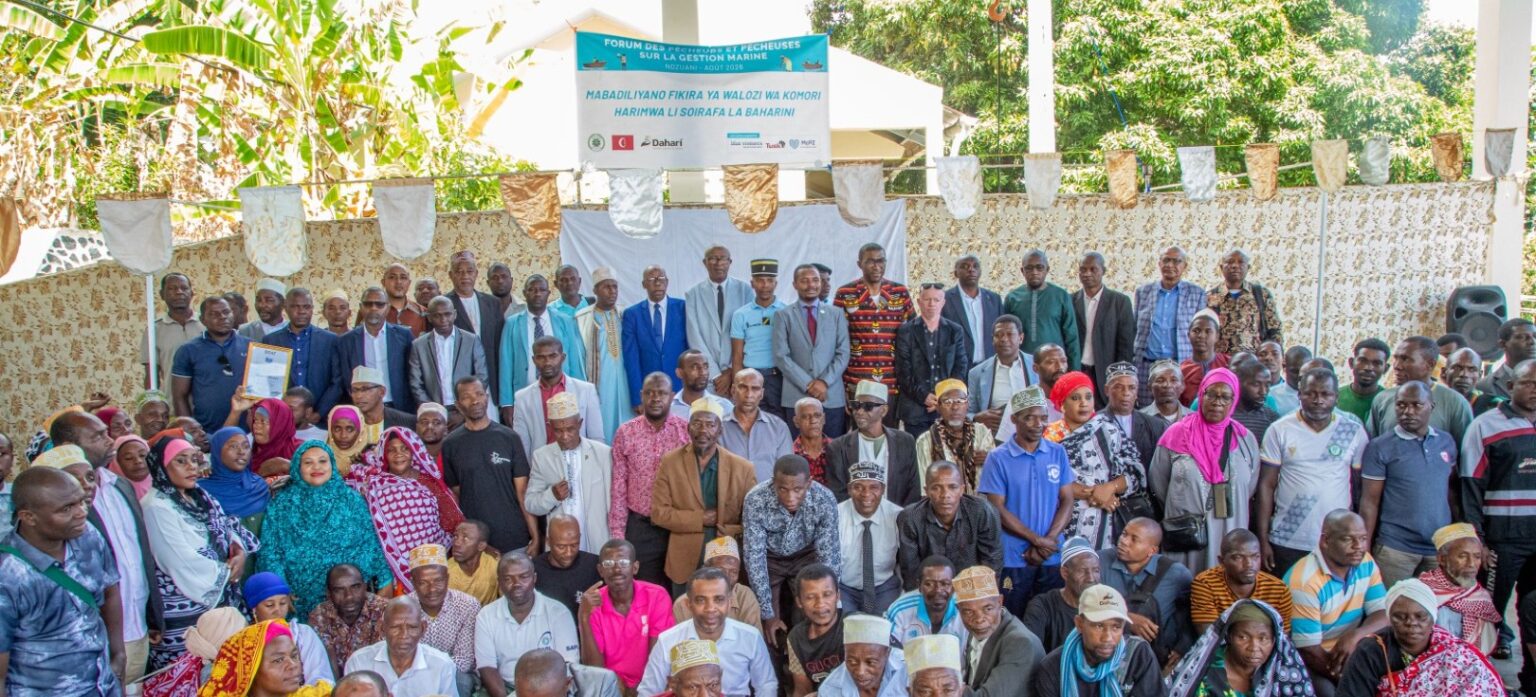
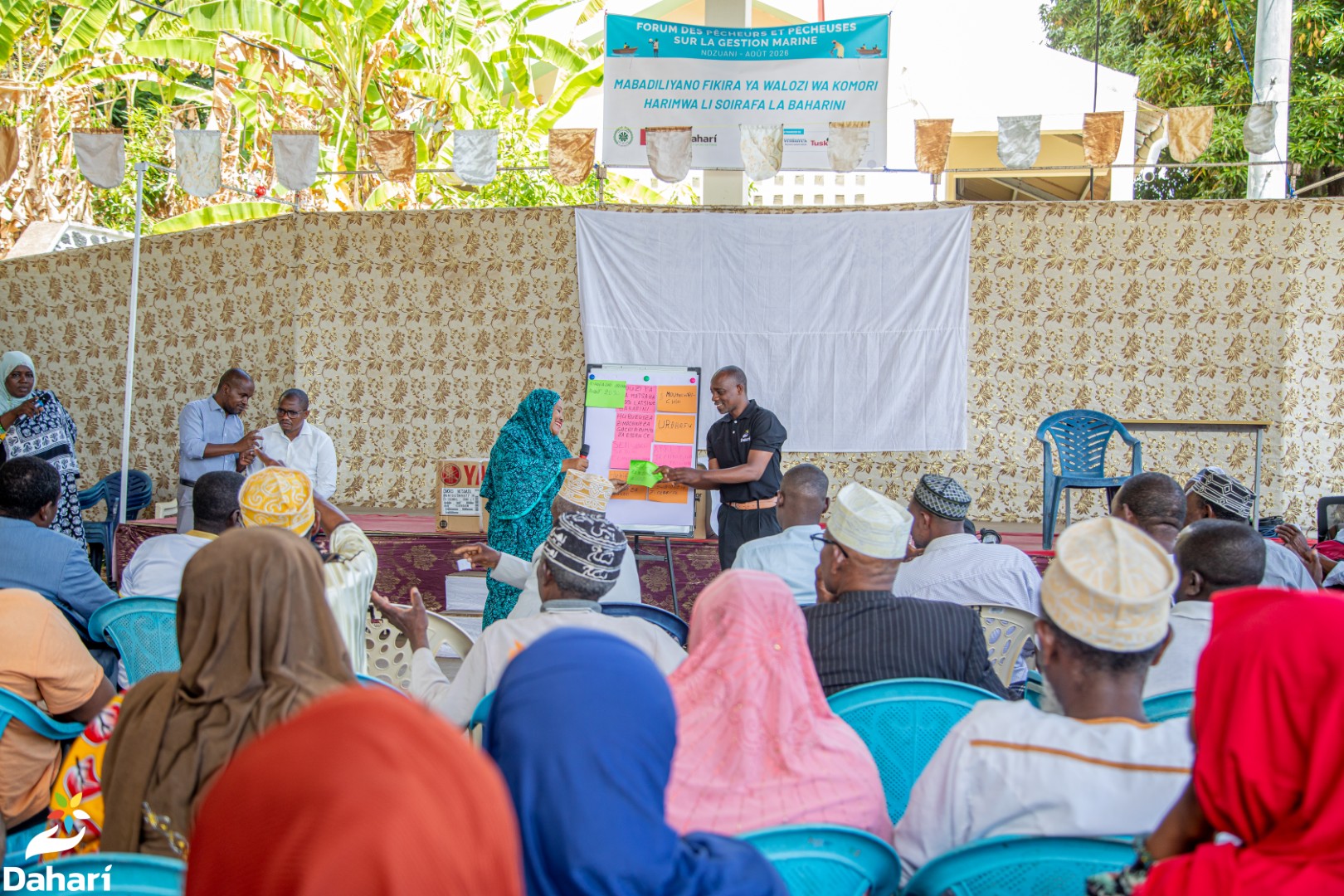
"In the Comoros, marine conservation will not succeed without fishing communities," declared the Comorian Minister of the Environment on 20 August, before a crowd of fishers from Grande Comore, Mohéli and Anjouan gathered at the National Fisheries School in Mirontsi. The fisher forum was organised by Dahari under the high patronage of the Governorate of Anjouan, with regional and national authorities in attendance.
At the centre of the discussions: the Comorian government's commitment to the "30x30" target of placing 30% of marine and coastal areas under protection by 2030 and, above all, the role that fishers’ communities are called upon to play in delivering it.
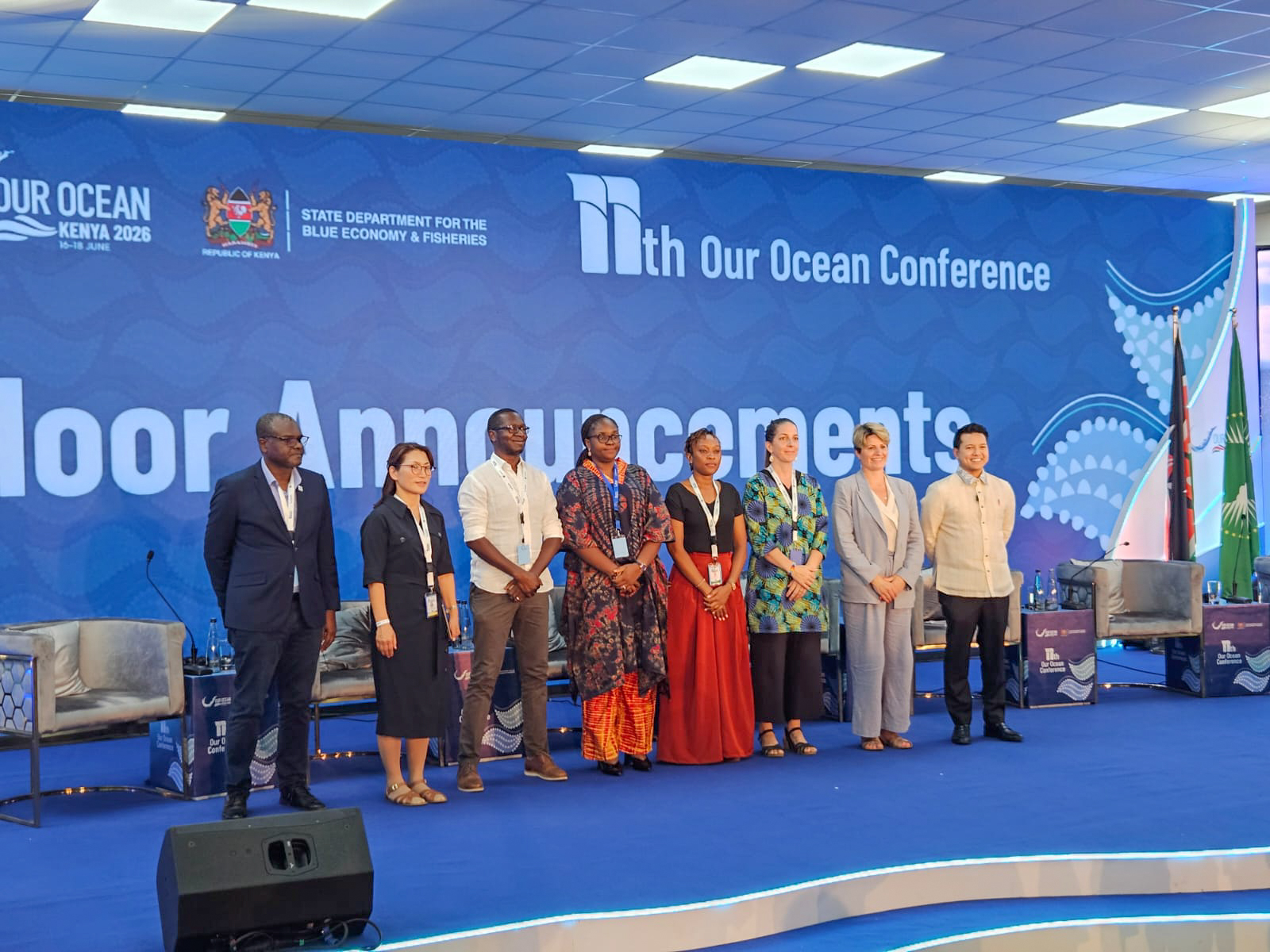
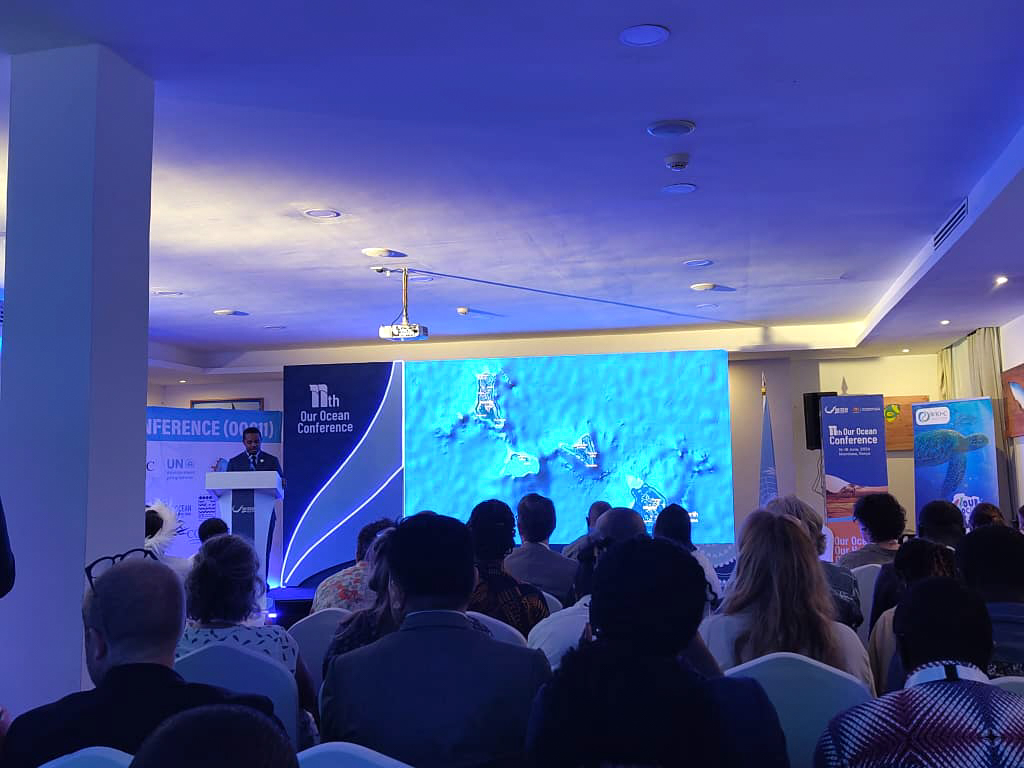
The approach chosen by the government, announced by the Minister in June 2026 at the11th Our Ocean Conference in Mombasa, rests on three pillars: strengthening the existing network of protected areas; developing artisanal stewardship areas that exclude industrial vessels and promote community management across all territorial waters; and recognising community-based marine management within the national legal framework.
This last pillar matters most to the communities already managing their resources locally — and doing so, today, without any recognition in national law.
Fishers are seeing the benefits of community management
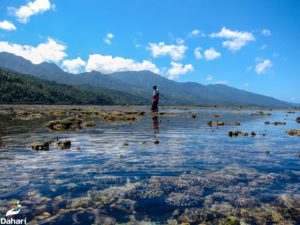
In the Vassy area of southwest Anjouan, the fishers' association Malezi Mema created the first permanent community-led no-take zone in the Comoros in 2021, a reef area closed to all fishing. The fishers also set their own rules on net use, deciding collectively which practices are permitted and which are not.
These decisions were not proposed from outside: the management and governance model was built by the women and men who fish in the area. That is also why it has held up over time. The benefits are already visible, with higher catches and the return of certain species. Watch below the testimonies from fishers on Anjouan.
Ismael Abdou, member of the Malezi Mema association: " Since we set up the no-take zone, fish species we could no longer find have come back. The fish are many in the no-take zone now. The other fishing sites are being replenished and the fishers nearby are able to fish well. I see that today, fishers leave around 7 in the morning and come back around 1. And people are getting good yields, now that we've improved things."
This success also rests on the support of community elders and local authorities. "The sea divides when it should unite," the Governor reminded participants, calling on everyone to work together better in support of fishers.
The experience is now spreading to other areas. In the Moya region, new no-take zones have been created by communities that saw the results achieved in Vassy and chose to develop their own management measures.
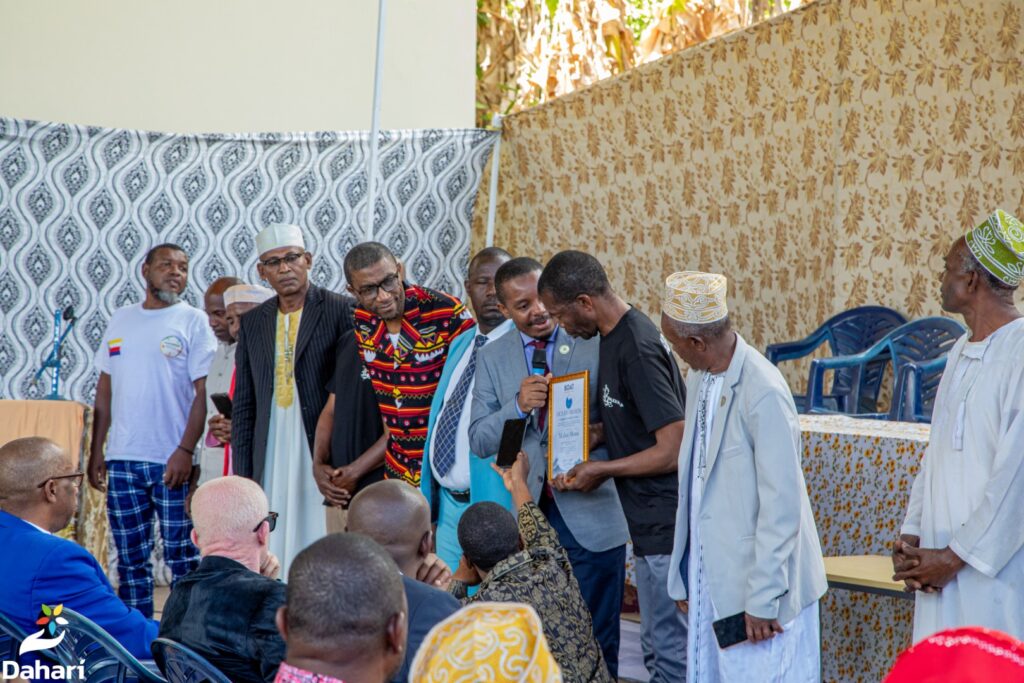
This work is now recognised beyond the archipelago: at the forum, Malezi Mema received the Community Impact prize from the 2026 Ocean Awards, run by BOAT International and Nekton, for its work on community management of marine resources.
Why national recognition matters
Until now, community initiatives have rested largely on local agreements, backed by the authorities but with no status in national law. This limits both their reach and their durability.
On a different scale, coastal projects or developments can also be decided without regard for the rules communities have established. National recognition would give these initiatives a formal status and recognise fishers' associations as legitimate parties in decisions affecting their areas and their resources.
What next ?
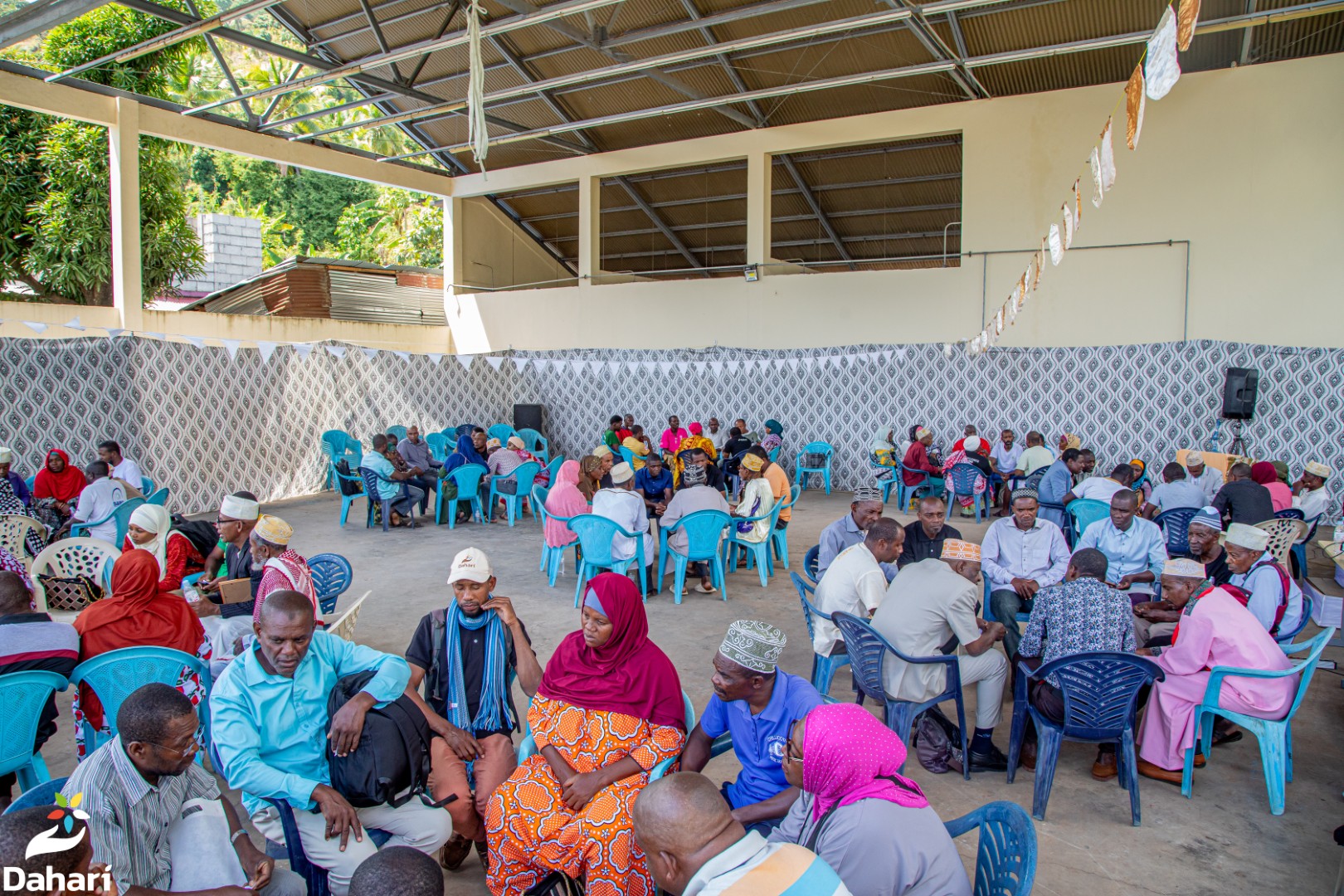
Beyond the announcement, the meeting allowed fishers from the three islands to share their experiences and their challenges. All expressed a wish to continue these exchanges, to learn from one another and move forward together in managing their marine resources.
Fatouhia Boina, representative of the Malezi Mema association of Fomboni, Mohéli : "My stay in Anjouan was incredible. Everything went well. I learned a lot about initiatives I didn't know about. What struck me was the setting up of marine no-take zones, where fishing is banned. The zones are well protected and the rules that have been put in place are properly respected."
Dahari and its partners, the priority now is to support this shift from local to national — by continuing the exchanges between the three islands and by providing technical support to the government in developing the legal framework. The objective is clear: that recognition of community management is built with fishers, on the basis of what they have already demonstrated in the field.
With financial support from: Blue Ventures, CEPF, TUSK and McPike-Zima !