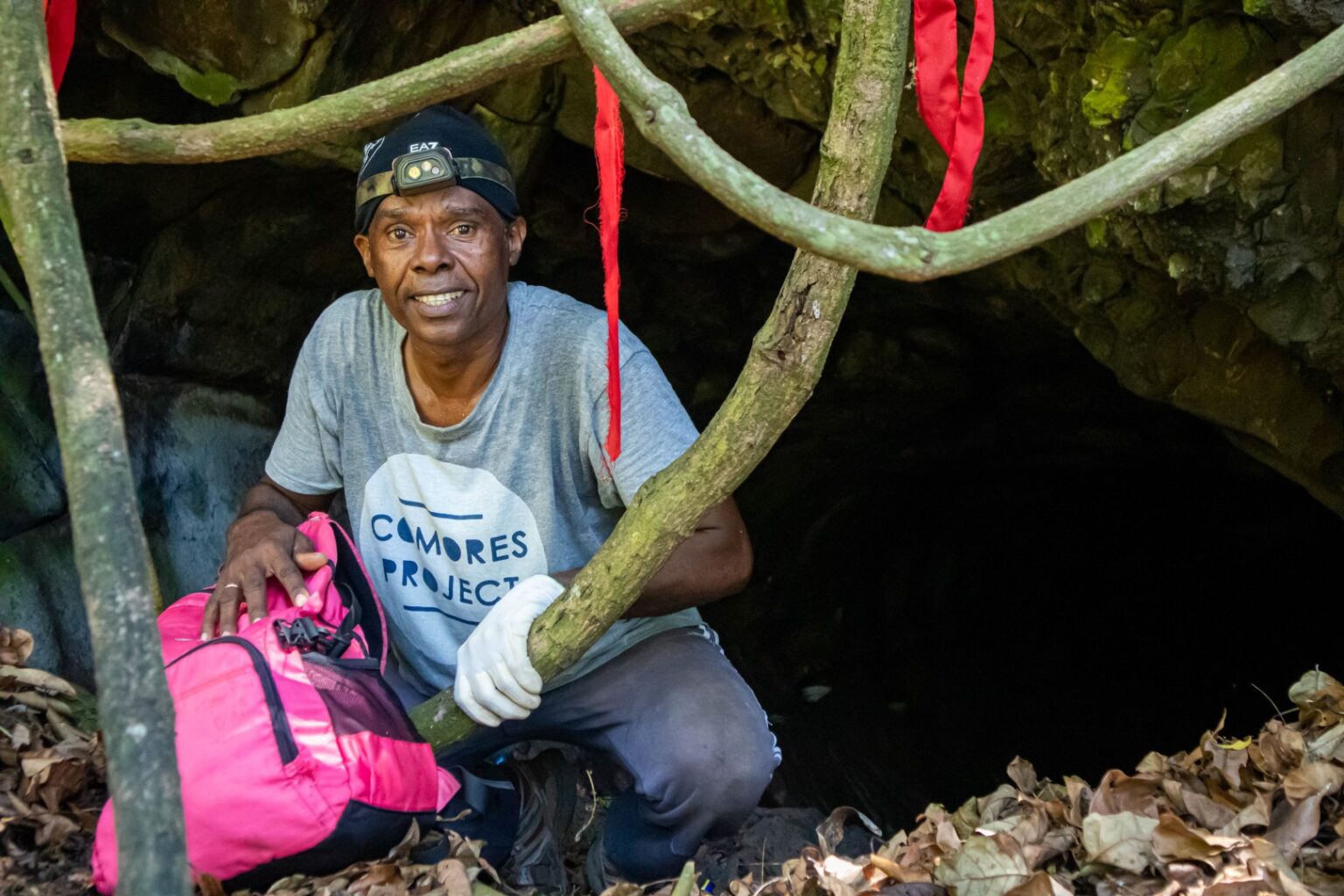
Ishaka Said has spent his whole life exploring the forests of the Comoros, and those of Anjouan in particular. His passion for the biodiversity of the Comoros was matched only by his desire to share his knowledge with others. Now he is retiring, leaving behind a growing forest management programme and a team grateful for everything he has taught them.
For Ishaka, the forest was never simply a place of work. It is an environment he came to know over the years, observing it in the finest detail and seeking to understand the species that live there. Ishaka had a profound affinity with nature, as his colleagues testified at his farewell party in September against the backdrop of Anjouan’s mountains. ‘A monument’ was the word that came up in several tributes, and they were right: his knowledge is both deep and unique.
Interview
1. Which projects have stood out most for you over your career?
The forest conservation approach we’ve developed more recently, signing agreements with landowners. I’m hopeful that we’ll finally be able to restore the forests of Anjouan, home to the birds and Livingstone’s fruit bats I have studied during my career.
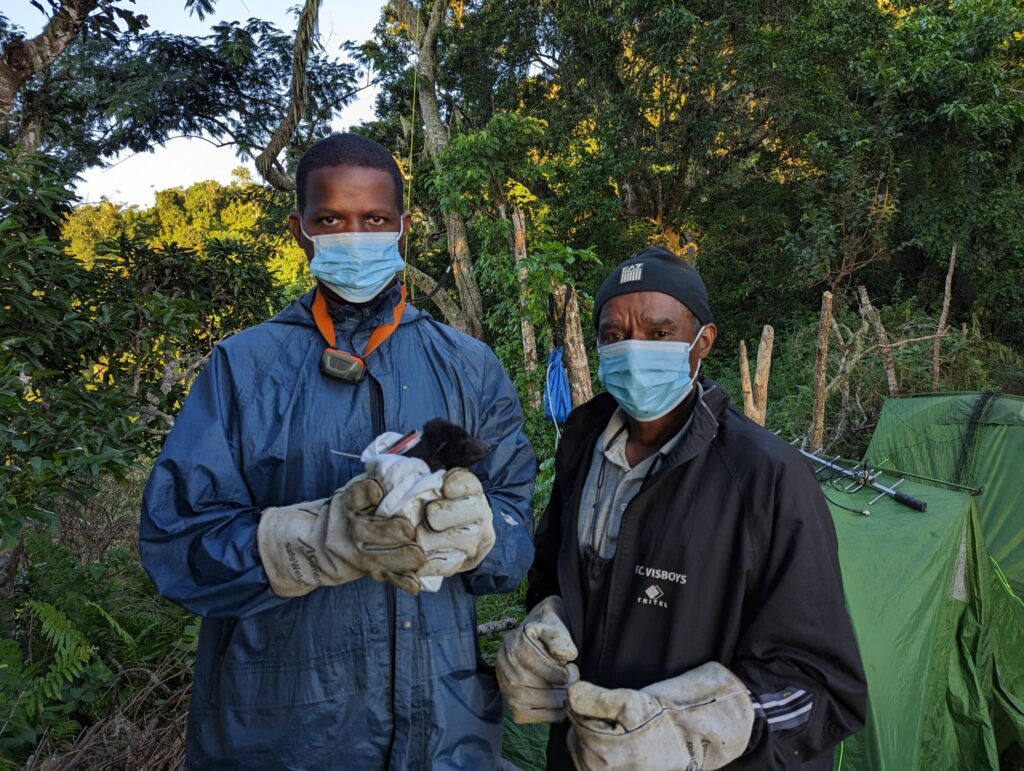
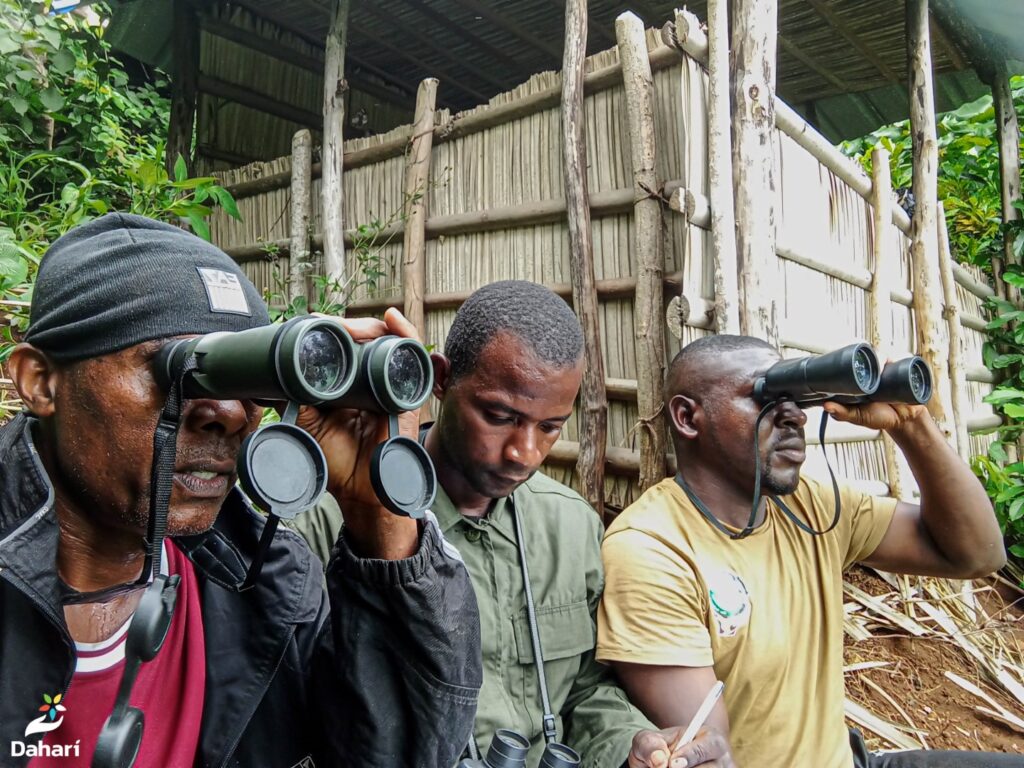
Monitoring the Livingstone’s fruit bats also meant a great deal to me, particularly because I helped train the team. I showed team members which trees the bats use to roost and which ones they visit to feed.
I’m also proud of the work we did on Mohéli, before the Mohéli National Park was established. We gradually trained the ecoguards, who had previously worked on turtle conservation, so that they could monitor Livingstone’s fruit bats on the island. We taught them how to identify observation points to make the counts easier. They then took over, and this work contributed to the national census of the Livingstone’s fruit bat population that we have collaborated on in recent years.
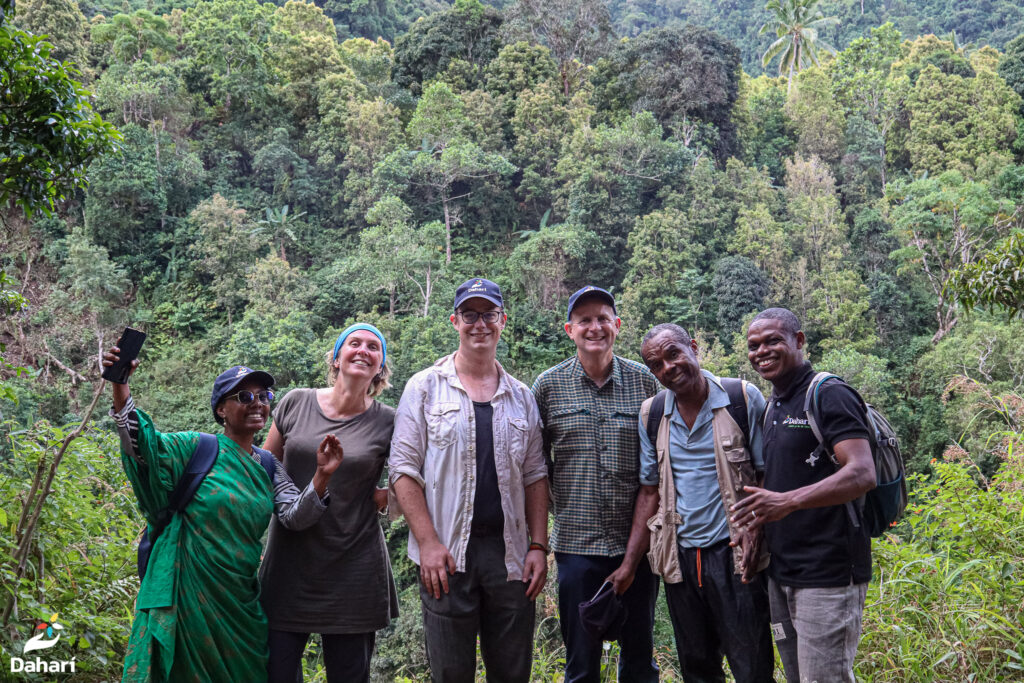
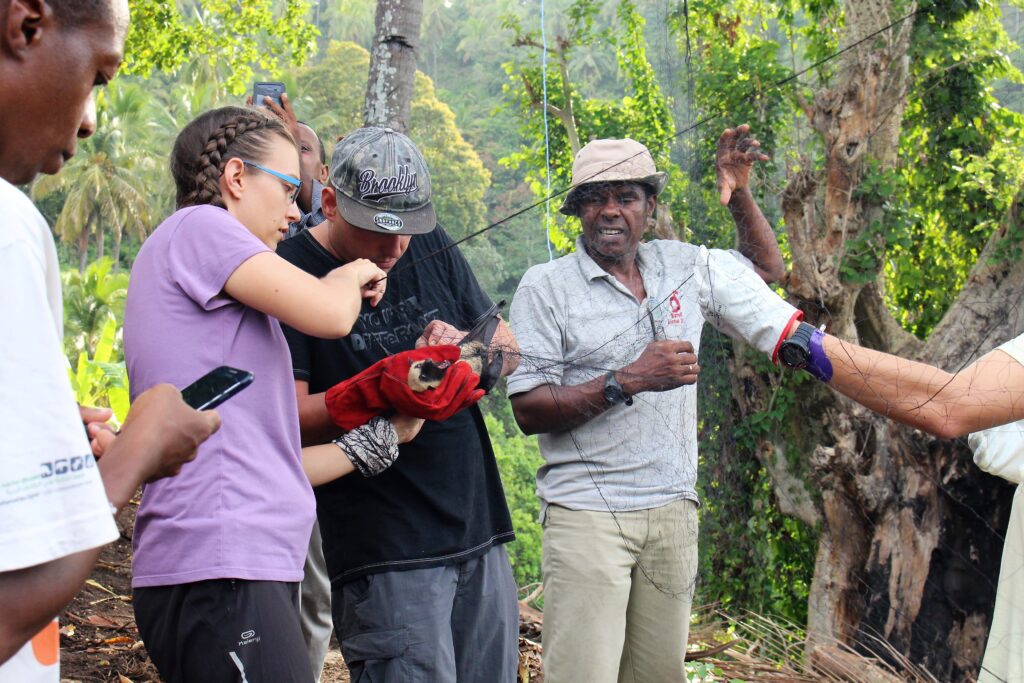
I also accompanied many research missions by scientists who came to study the flora and fauna. Some foreign students were seeing Anjouan’s landscapes for the first time. They didn’t always realise how hard the steep slopes, the mountains and the remote areas would be. Some struggled to continue their research, but we were there to encourage and support them. I think they have fond memories of their time here. Owen Lewis, for example, first came in 1994 to research butterflies, when he was still a student. Now he has come back to help us with the forest conservation agreements.
2. What motivated you most in your work?
My main motivation all these years, was to be able to teach others and pass on my skills so that the next generation could take over. I was already thinking about the future, about what would happen after I left the organisation, when I no longer had the energy to explore the forests.
This wish to pass on my knowledge also came from the fact that, in the past, it was hard to keep any record of our natural heritage. Today, we have the opportunity to preserve that heritage so that the young people of tomorrow can see what existed before.
Young people today study theory at university. Once they’re in the field, they need to be able to observe and learn directly from nature. If we don’t manage to protect our environment, their studies risk remaining purely theoretical, because there will be nothing left in the landscape for them to observe.
3. What memories and lessons from all these years stay with you most?
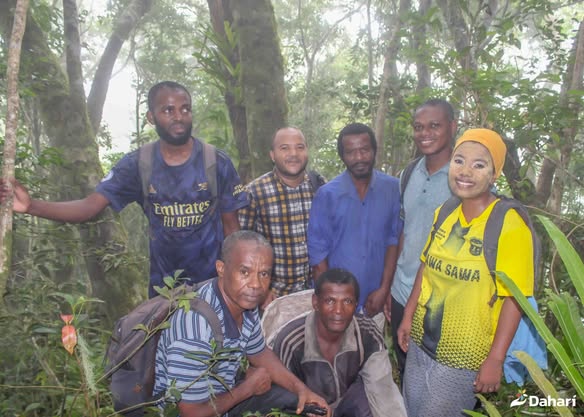
What I remember most are the times spent in the forest with the team. We got on well and there was always a good atmosphere.
What stays with me is the team spirit and the way colleagues helped each other. I learned to feel more a part of an organisation and to work with others. I also learned not to hold grudges against colleagues. That matters when you live among other people.
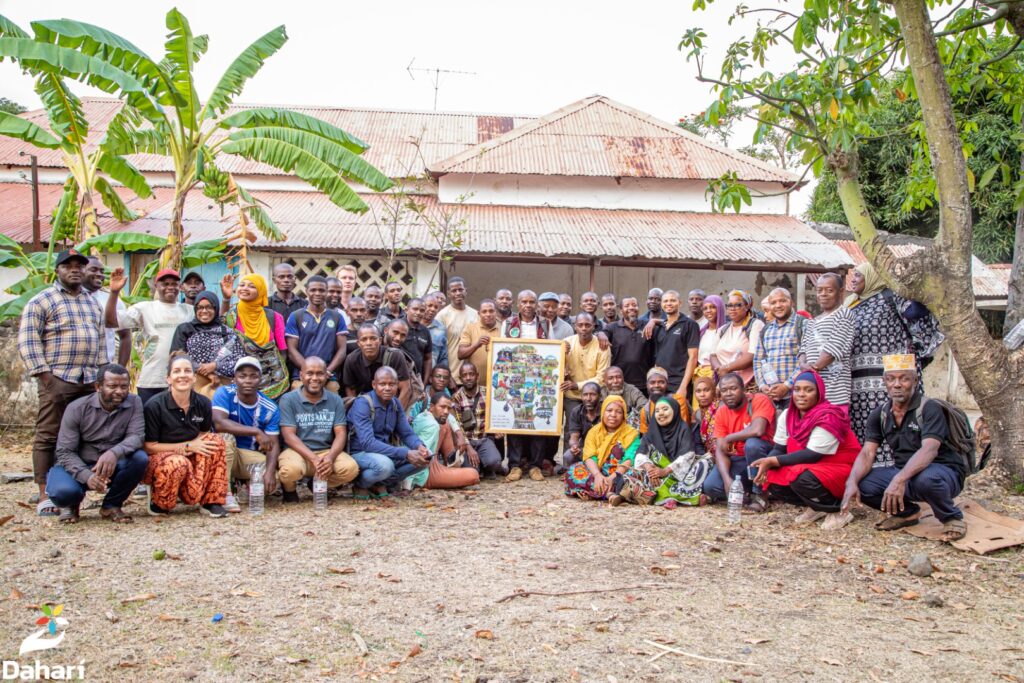
Leaving Dahari was a very emotional moment for me. The whole team was there. The colleagues I had worked with most each gave a speech about the years we had spent together.
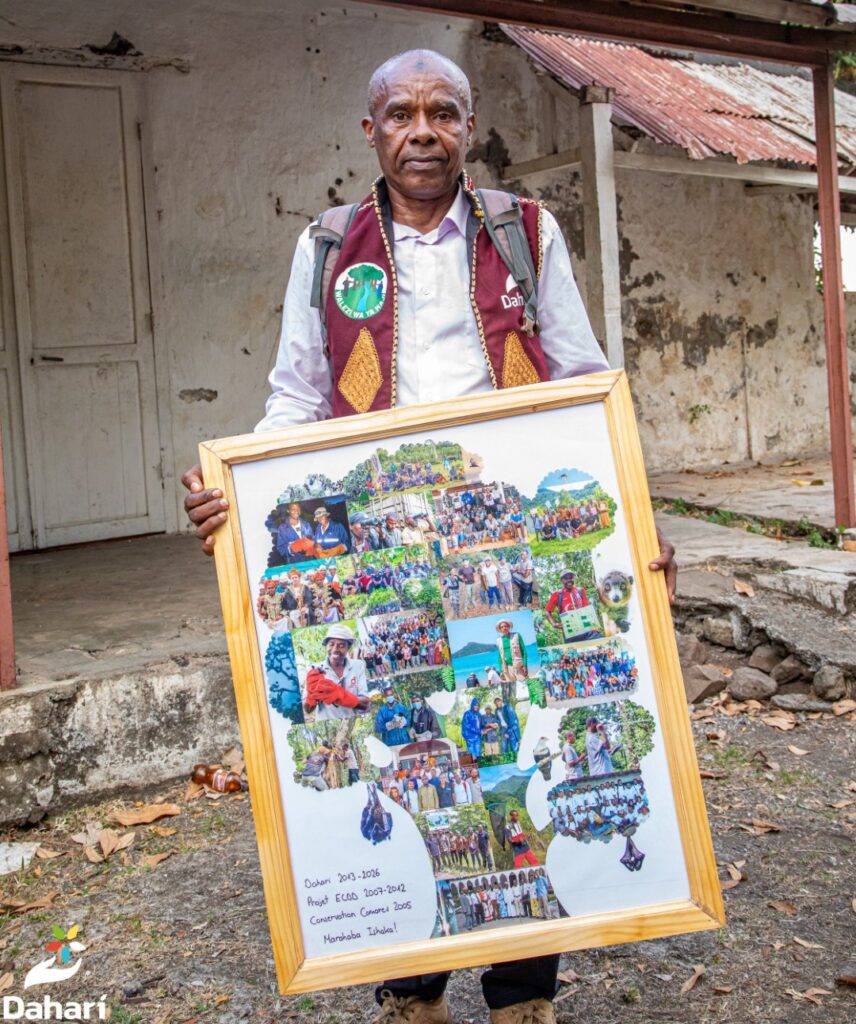
Thankfully, we never had any misunderstandings. The gift I received is also a treasured memory, because it represents the journey and the career I built with Dahari. It touched me deeply.
4. What message would you like to leave for the younger generation?
Nature is truly precious. In town, there’s a lot of noise at night, whereas in the forest we’re much more connected to nature.
For me, trees communicate at night. You have to be connected to nature to understand their language. Humans and trees are alike in this way: we may have the impression that trees don’t move or communicate, but when you’re really focused and your mind is relaxed, you can pick up on certain signs.
These signs can tell you that rain or wind is coming. When we were in the forest with the team, my colleagues would sometimes ask me whether we were going to have a good night or whether the weather was going to turn. I was able to give them some idea.
Birds are good indicators of a healthy forest, because they can’t live outside their natural habitat. The forest is also essential to human life. For me, protecting birds also means protecting people.
My advice to the new generation is to be honest and rigorous in their work. I encourage them to give it their all and stay focused. It’s with this mindset that the young people of tomorrow will be able to take up the torch, carry on these work values and help achieve their goals.