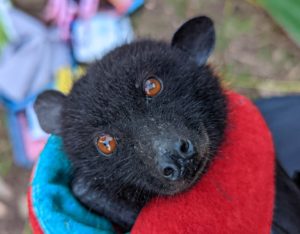
Endemic to the Comoros archipelago, Livingstone’s fruit bat—a threatened species—is found only on the islands of Anjouan and Mohéli. For several years, we have been working alongside the Comoros National Parks and the University of the Comoros to monitor its population on an annual basis.
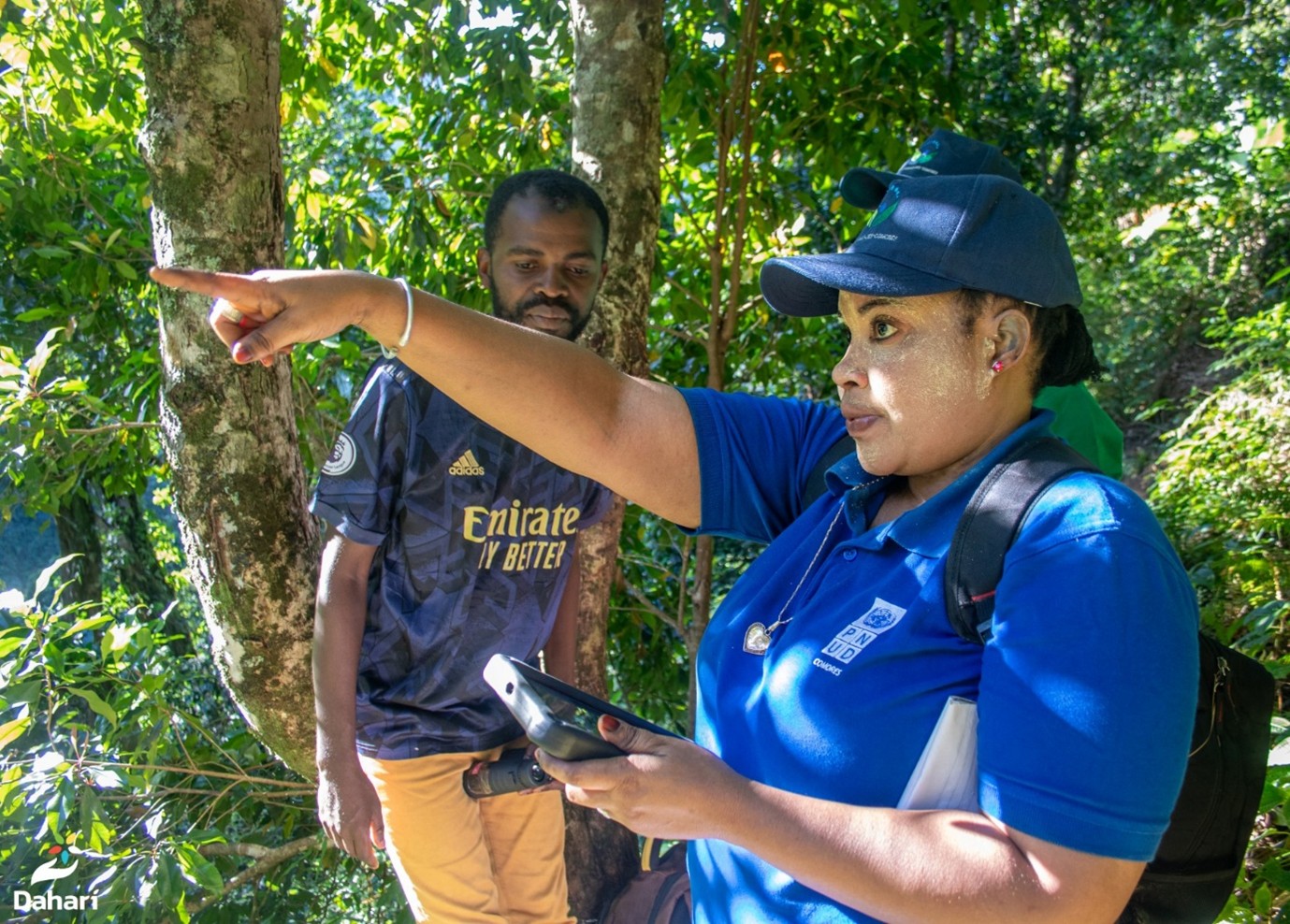
To highlight this shared commitment with Ntringui National Park, we gathered insights from Ms. Kiboutia Boura, who has been actively involved in the annual monitoring of the Livingstone’s fruit bat population in collaboration with Dahari since 2022.
Overview of the National Parks of the Comoros.
The Agency « Comoros National Parks ...was created to protect and enhance the exceptional ecosystems of the Comoros. As a Small Island Developing State (SIDS), the Comoros are home to a unique biodiversity—both terrestrial and marine—that requires sustainable management for the benefit of present and future generations. Its primary mission is to preserve and restore the natural habitats of the Comoros, in collaboration with "stakeholders," foremost among them being village communities. To achieve this, the Parks adopt a "co-management" approach—that is, shared management—to better protect biodiversity and promote sustainable development.
The Agency coordinates the management of six national parks of the Comoros, in co-management with village communities and national NGOs, in order to ensure the conservation of threatened species and ecosystems while generating viable economic opportunities.
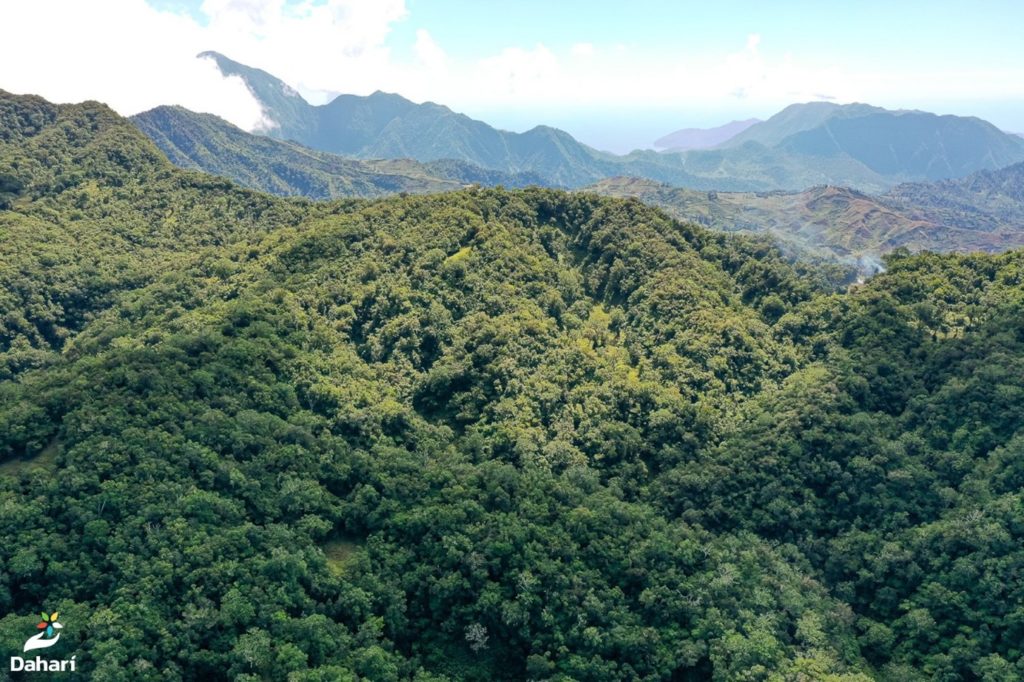
What role do you play within the Park?
“Hi, my name is Kiboutia Boura, I’m a park ranger for the Comoros National Parks. I work on the island of Anjouan for Mount Ntringui National Park. This park shelters the remaining forest of Anjouan and is a major hub of our biodiversity, with endemic species such as Livingstone’s fruit bat and the Comoro blue pigeon. I participate in monitoring activities within the park, raising awareness among local communities about the importance of conservation, counting Livingstone’s fruit bats with Dahari, and also in our reforestation activities, for which we received training with Dahari on…” their participatory approach. »
Could you explain what your specific role entails in the counting of Livingstone’s fruit bats?
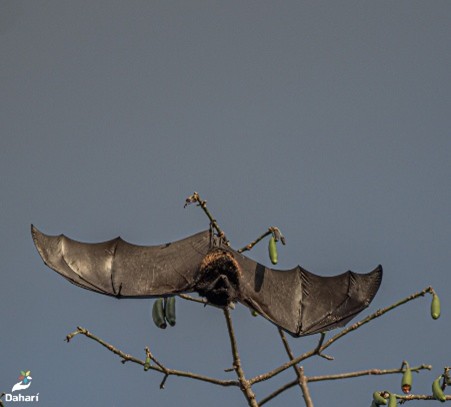
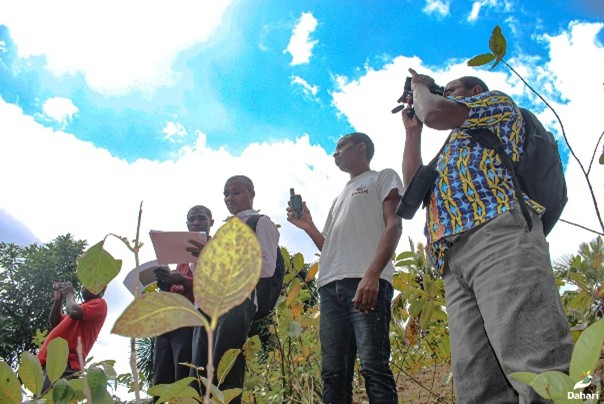
"Before heading out into the field, we hold refresher sessions at the Dahari office on the counting protocol, and we also review the roosting sites to be visited by each technician. Once at the sites, we spend the day observing and counting the fruit bats, recording the data on tablets. The work of the eco-guards ends there, as the data is automatically transferred to a database that Dahari has set up."
What does a counting assignment actually look like for you? (Preparation, fieldwork, follow-up)
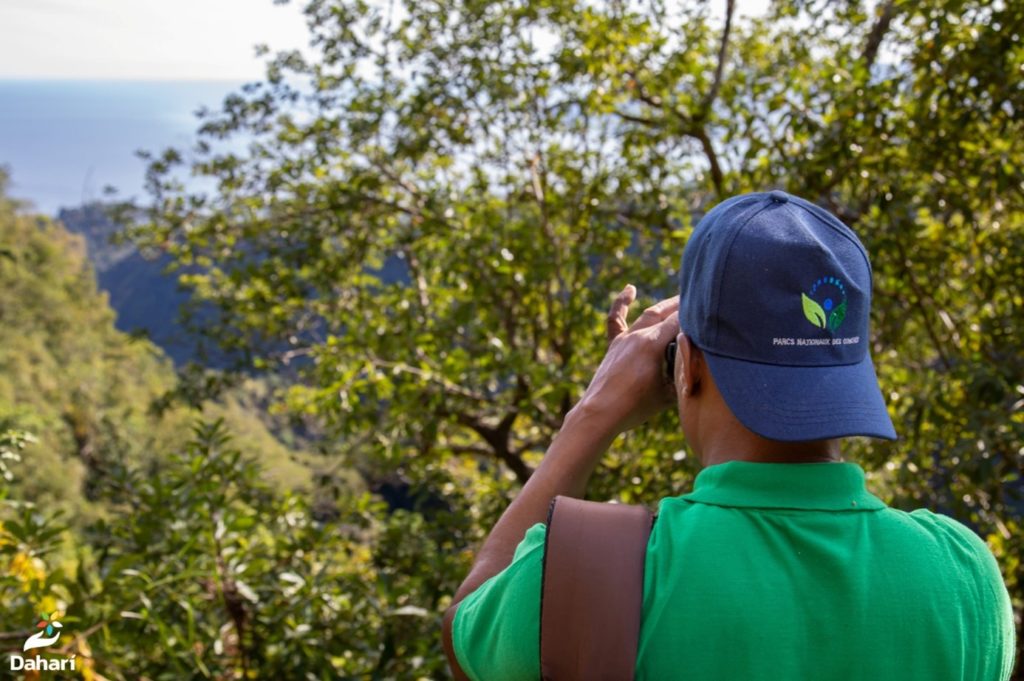
"In 2022, we were trained by the Dahari team on the methodology and procedures for counting Livingstone’s fruit bats. There is a specific protocol to follow before heading out into the field. We also have to master several tools—for instance, knowing how to use binoculars to observe the Livingstone’s fruit bats at various distances, accurately marking observation points using GPS, and using tablets to record data on-site."
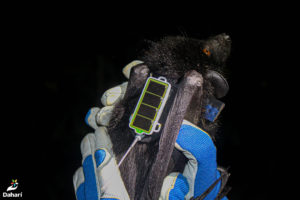
The number of dormitories has increased over the years; in 2022, there were 17 sites, and this year there are 20 listed on Anjouan. I think Dahari has done some monitoring of Livingstone’s fruit bats using GPS tags By tracking their movements, we are able to identify other roosting sites.
“In two days, we manage to complete the entire count because we head out in two-person teams, with each team visiting two sites. Since there are so many of us, we are able to get the work done quickly.”

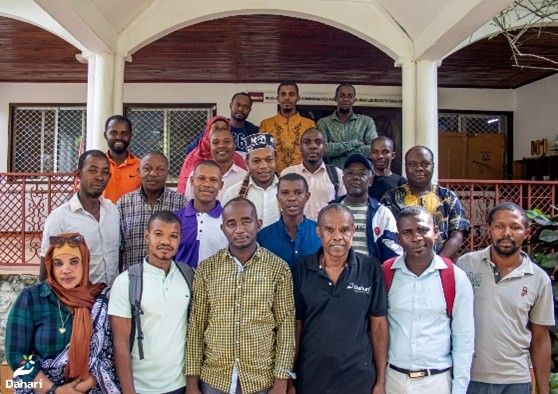
Dahari’s Forests team, students, and eco-guards from Mont Ntringui Park 
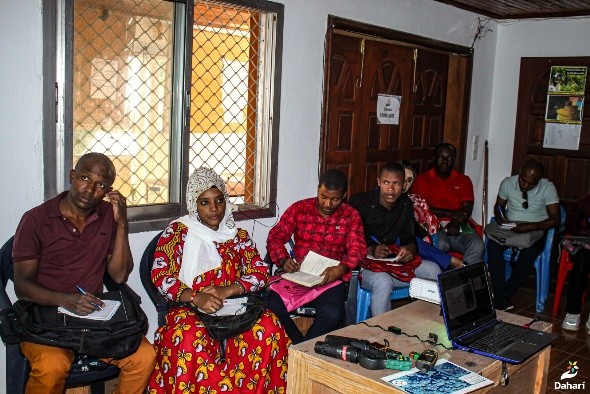
Preparation meeting for the count 
Practical training for eco-guards on the use of equipment in 2022
In your view, why is this count so important for the protection of fruit bats?
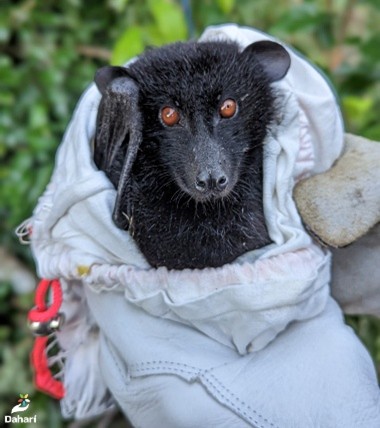
"For one thing, it is a species endemic to the Comoros. Livingstone’s fruit bats contribute to forest regeneration. They are one of the conservation targets for the Park. That is why it is important for us to monitor this species—to understand its status and trends—so that we can further its protection through our restoration efforts, awareness-raising initiatives, and the monitoring we carry out in the forests."
What does this collaboration add to the work of the National Park?
"This collaboration breathes new life into our monitoring efforts for the Livingstone’s fruit bat. Thanks to Dahari, we are gaining a better understanding of the world of these bats, precisely identifying their roosting sites, and learning about their movements. This partnership supports and addresses our core objectives: the monitoring and protection of threatened flagship species and their habitats."
What are the greatest difficulties you encounter during counting?
"The terrain is sometimes inaccessible, and some roosting sites are far away and difficult to reach. We often have to hike for more than two hours and position ourselves at a distance to carry out our work—which is why binoculars are so useful. Given the mountainous landscape of the island of Anjouan, these pose enormous challenges for me, but that doesn’t stop us."
What does this collaboration add to the work of the National Park?
"This collaboration breathes new life into our monitoring efforts for the Livingstone’s fruit bat. Thanks to Dahari, we are gaining a better understanding of the world of these bats, precisely identifying their roosting sites, and learning about their movements. This partnership supports and addresses our core objectives: the monitoring and protection of threatened flagship species and their habitats."
What are the greatest difficulties you encounter during counting?
"The terrain is sometimes inaccessible, and some roosting sites are far away and difficult to reach. We often have to hike for more than two hours and position ourselves at a distance to carry out our work—which is why binoculars are so useful. Given the mountainous landscape of the island of Anjouan, these pose enormous challenges for me, but that doesn’t stop us."