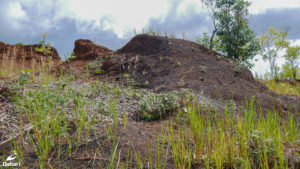
The Comoros are home to exceptional terrestrial biodiversity, but this natural wealth is threatened by deforestation, soil erosion, and the loss of fertile farmland. In a country where agriculture and livestock farming are essential to the population's livelihood, the disappearance of forests has direct consequences for local communities. In Anjouan, 80% of the natural forest area has disappeared between 1995 and 2014, according to the most sophisticated analysis.
Faced with these challenges, reforestation presents itself as a sustainable solution. Rather than imposing reforestation projects, participatory reforestation actively involves farmers in the selection, planting, and maintenance of the trees.
What is the participatory approach to reforestation?
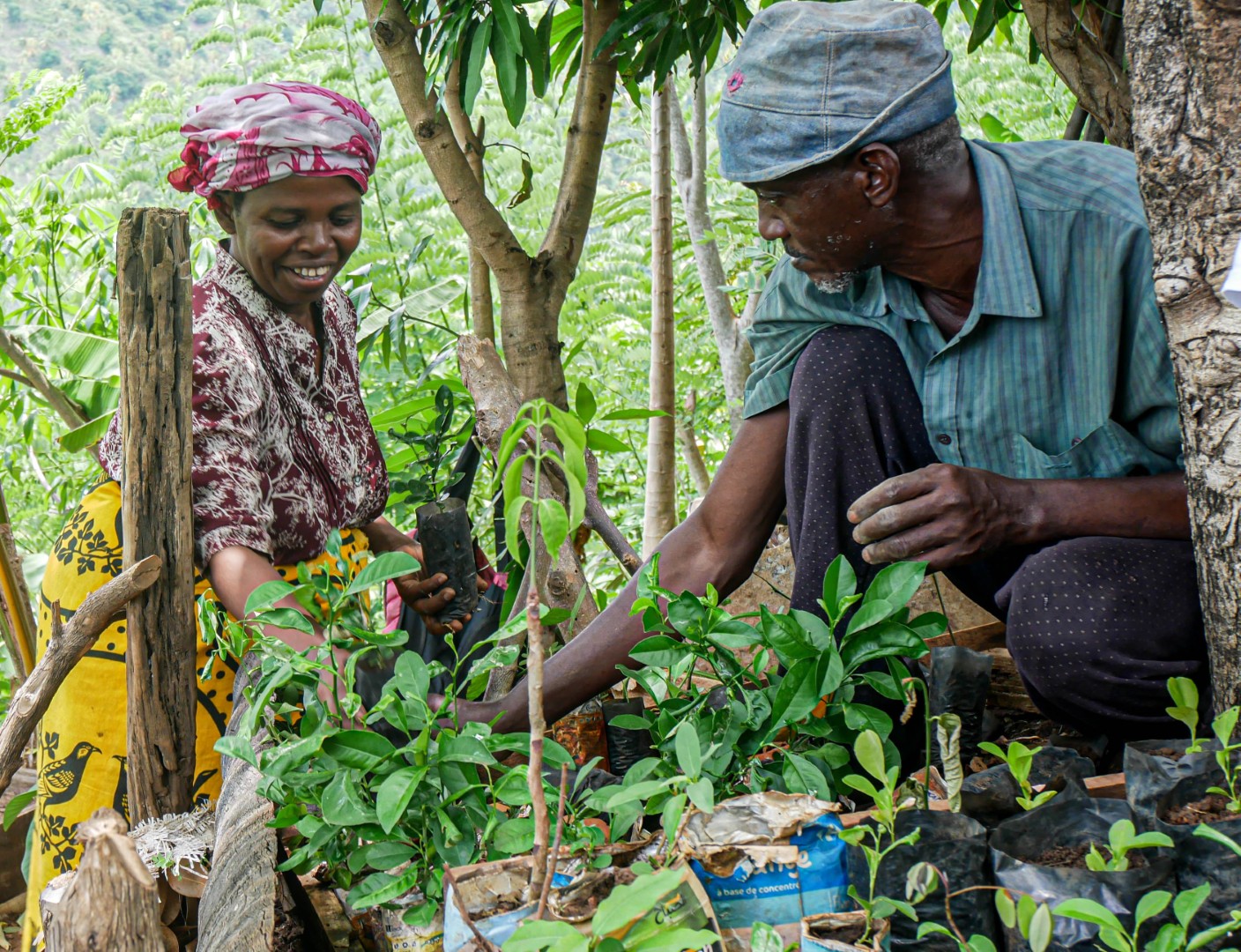
The participatory approach to reforestation relies on the active involvement of those who directly benefit from the plantings—namely, the farmers. Unlike many traditional reforestation programs, this approach fosters the direct engagement of local communities, placing them at the heart of the process of planting and caring for trees. Since 2017, with the support of the World Agroforestry Centre (ICRAF), we have implemented this reforestation approach by working alongside farmers to jointly determine a list of tree species to plant—species that will benefit both the individuals involved and the environment.
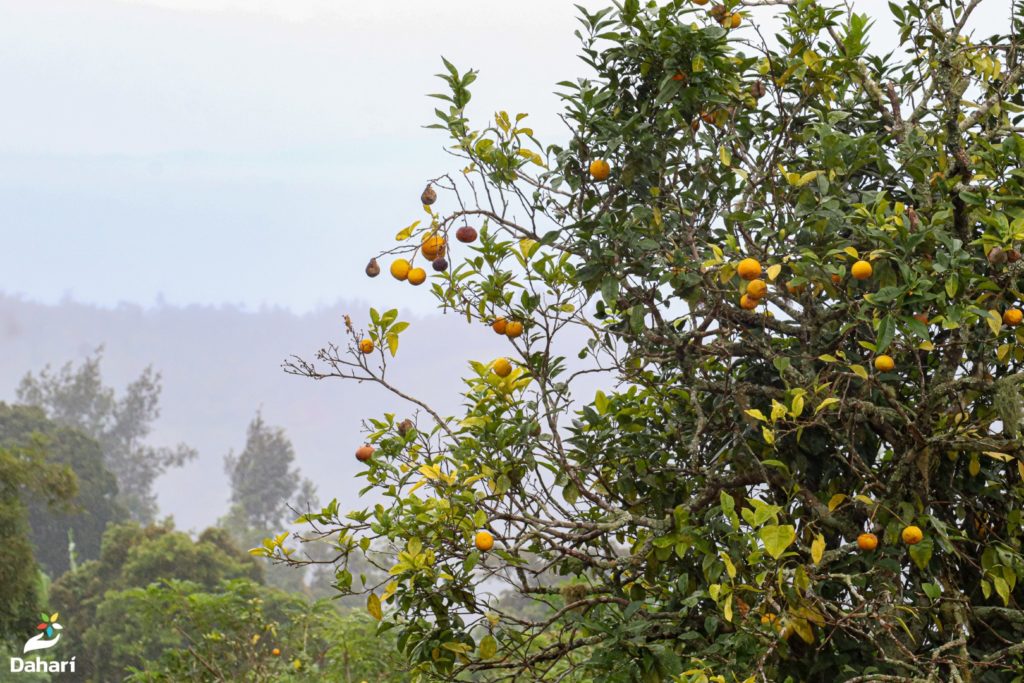
Farmers choose which species to plant based on their specific needs—such as water conservation, soil fertilization, fruit production, protection against erosion, or the provision of timber. At the same time, they receive training on the ecosystem services that trees provide.
How does the participatory approach work?
It is essential that farmers understand the importance of reforestation. This is why Dahari organizes awareness-raising sessions, led by its technicians, to explain how trees contribute to the environment and to livelihoods.
1. Selection of species with farmers
During the workshops, participants select the trees themselves based on their own needs. To facilitate this selection, Dahari’s technicians use visual aids, such as sets of cards illustrating the various species and their benefits. This process encourages discussion and enables the communities to take greater ownership of the project.
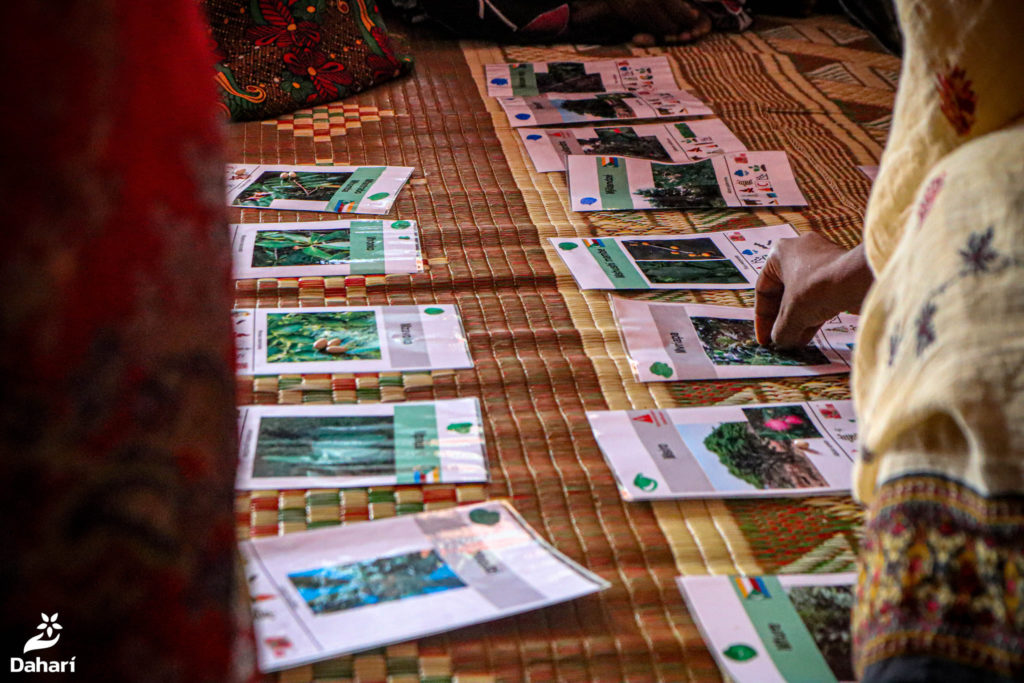
“This is the first time I’ve taken part in a reforestation program. What motivated me was that, right from the start, we were invited to choose for ourselves the trees we wanted to plant. The technicians from Dahari explained the various benefits that trees provide, which helped us better understand their importance. I decided to get involved in this reforestation effort because, if we don’t do it, no one else will. This initiative is essential for the future of my grandchildren. I chose certain fruit trees because, in addition to protecting the environment, they will be able to provide us with food and other resources.”
2. Establishment of community nurseries
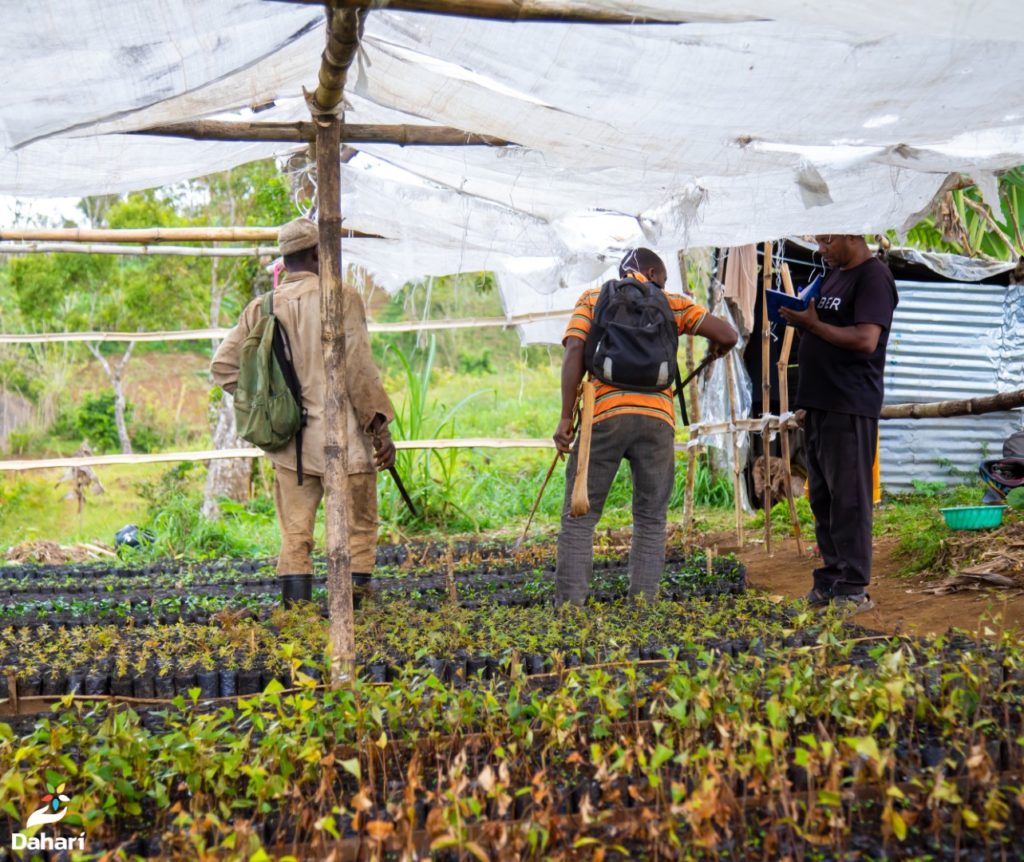
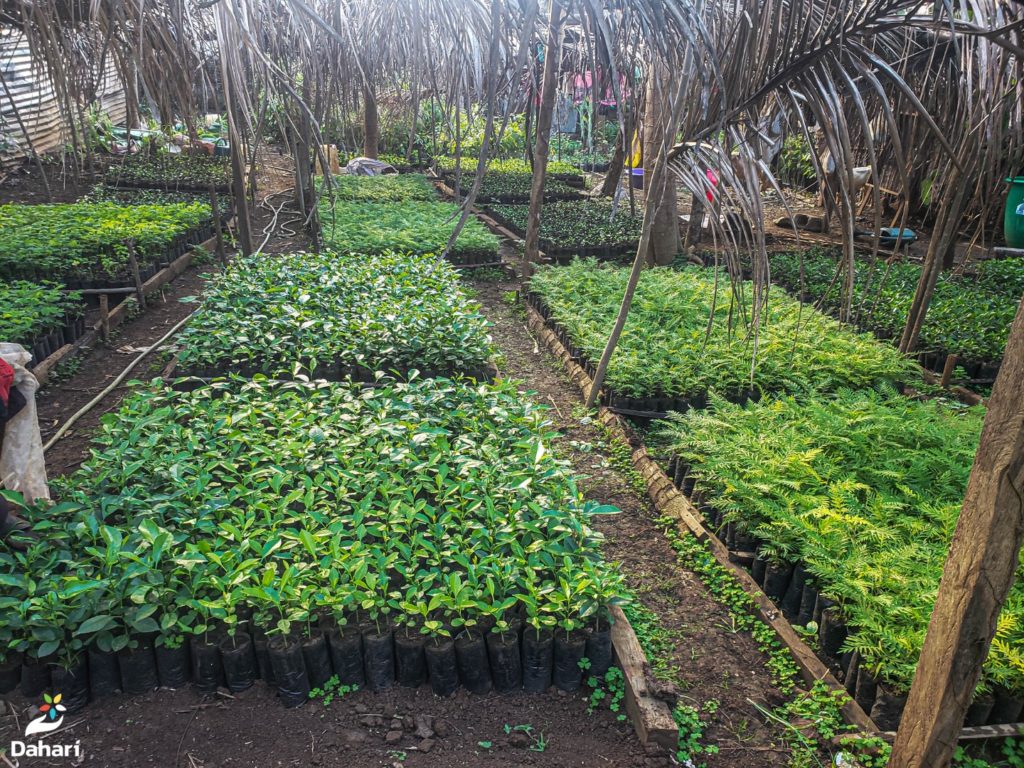
Following the selection of species, tree seedlings are produced in community nurseries managed by farmers who have been trained for this purpose. This system not only ensures a steady supply of young trees but also creates income-generating activities for the people involved.
In brief
The participatory approach to reforestation offers numerous benefits, both for the environment and for local populations. By involving farmers from the very beginning of the project, providing them with training, and allowing them to select the species that best meet their needs, this method ensures effective and sustainable reforestation. From the selection of species and the management of nurseries to the actual planting, it is a cycle reflects for better reforestation.