The Comoros boasts exceptional marine biodiversity, essential to the lives of coastal communities. However, overfishing, pollution, and climate change threaten coral reefs and the food security of those who depend on them. With our Marin programme, we are aiming to establish a network of permanent community marine protected areas (where fishing is prohibited), based on the success of the first example for the country created by the Malezi Mema fishing association of Dzindri, Salamani and Vassy in 2021. Following the positive impacts, this reserve was expanded by the fishermen in 2025, and three new ones were established at the beginning of 2026.
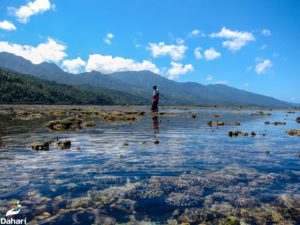
From 8 to 20 hectares, the permanent marine reserve of Vassy has reached a major milestone
From the outset, it was the fishermen of Vassy themselves who proposed closing the area, aware of the dwindling resources and the degradation of the reef. They defined the management rules together, ensured the monitoring of the reserve, and educated young people on the importance of preserving it. The results were not long in coming. In 2023, Ansoiya Mohamed, president of Malezi Mema, testified: «Since we introduced the permanent reserve, fish species that had left are starting to return. Fish Like the tripletail («kafwadji») have now returned and the fishermen are catching them.»
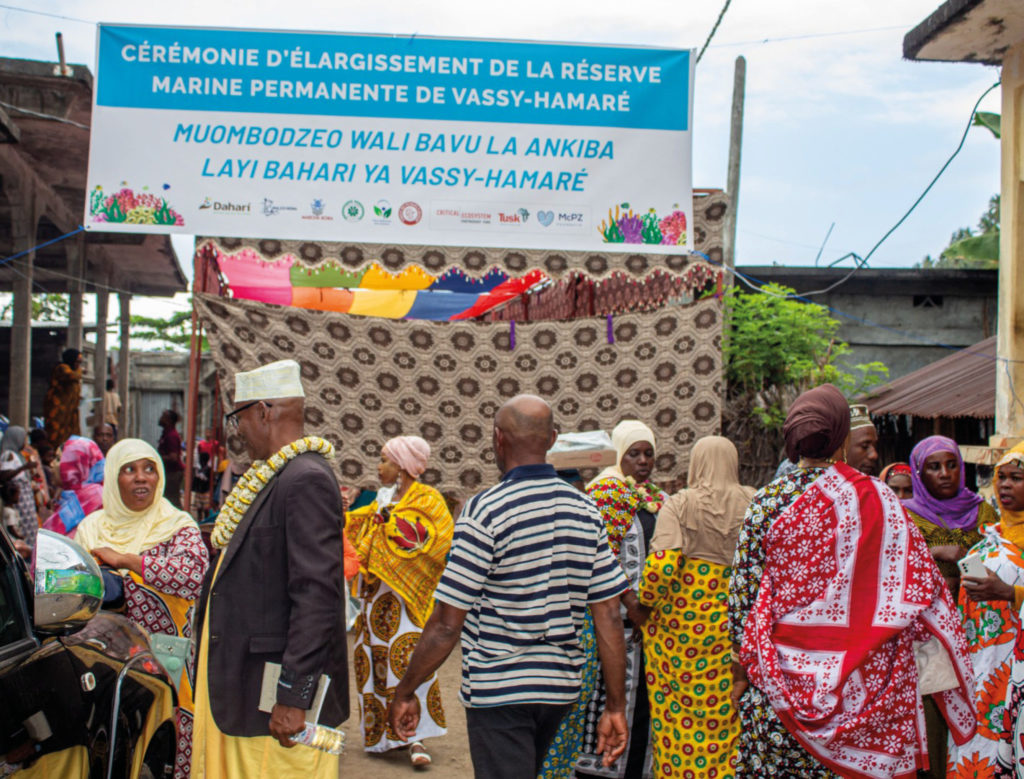
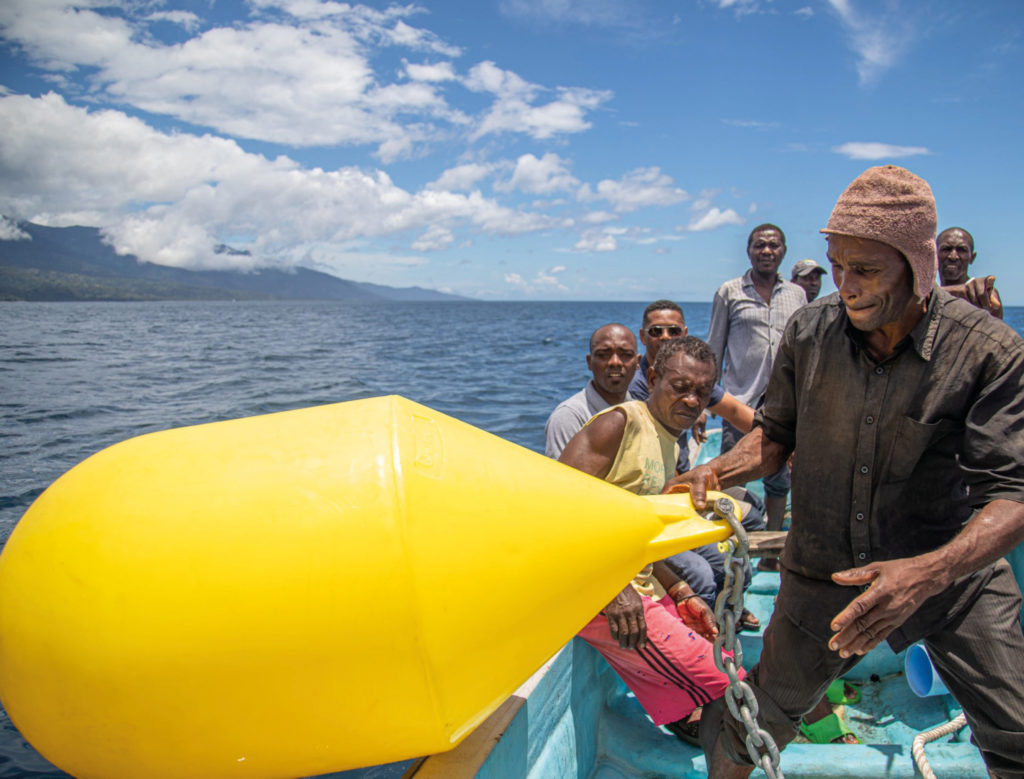
These encouraging signs have convinced the community to expand the protected area, increasing its size from 8 to 20 hectares by the end of 2025 – more than doubling its current size. In parallel, governance has been strengthened: a mixed committee of fishermen and fisherwomen is now directly managing it, supported by an inter-village commission involving local authorities. This participatory model reinforces the sense of collective ownership – key to the initiative's sustainability. Vassy's experience has inspired other villages, notably Kowe, Maweni, and Moya.
Kowé, Maweni and Moya in turn commit themselves.
Since 2021, our team has been supporting the fisherfolk of these three villages in their reflections on sustainable marine management. The exchanges with Vassy, as well as a study visit to Kenya, have greatly inspired them.
Madame Chaanbati Ousseni, President of the Maweni Fishermen's Association, testifies: «Thanks to Dahari, I had the opportunity to visit Kenya where I saw how local communities look after their seas. This method is really effective: it increases the amount of fish, brings back certain species that had disappeared, and even attracts new species. I understood that this is a real opportunity for us, and that this initiative really needs to be supported.»
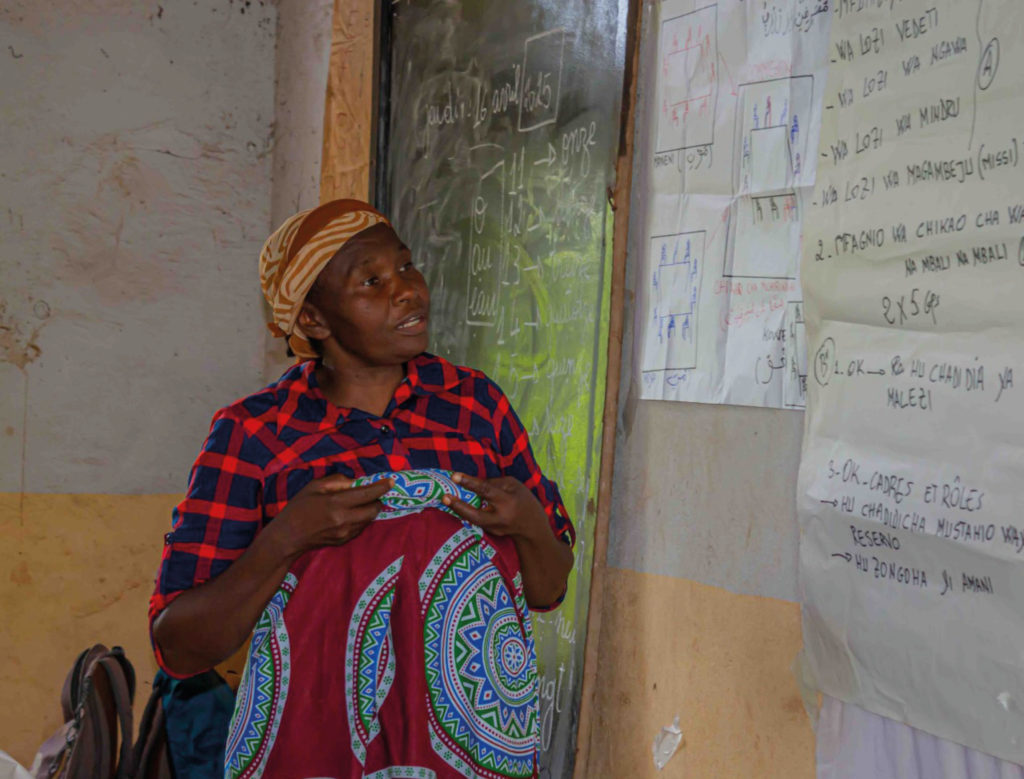
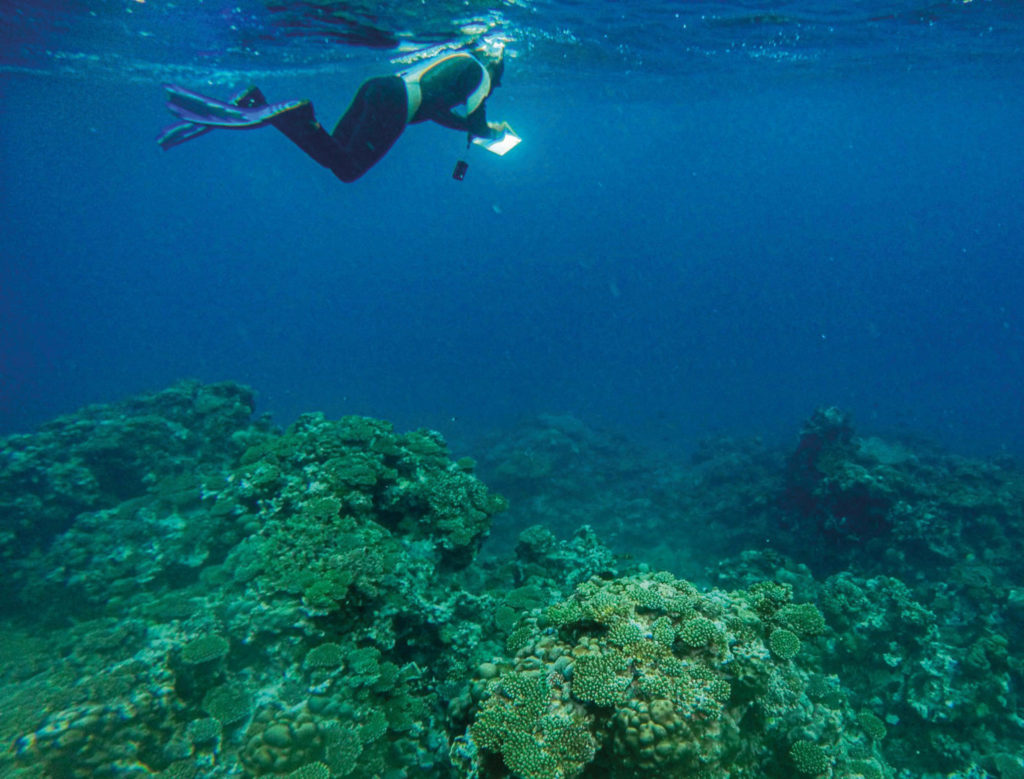
Drawing on the local knowledge of fishermen and fisherwomen and on underwater surveys, potential areas for marine reserves – rich in biodiversity yet acceptable to communities that depend on fishing for their daily livelihood – have been identified.
The governance system was then developed collaboratively over the course of eleven workshops and eighteen community feedback sessions, to ensure maximum buy-in and a locally rooted model.
A key challenge: including all fishermen, including the most marginalised
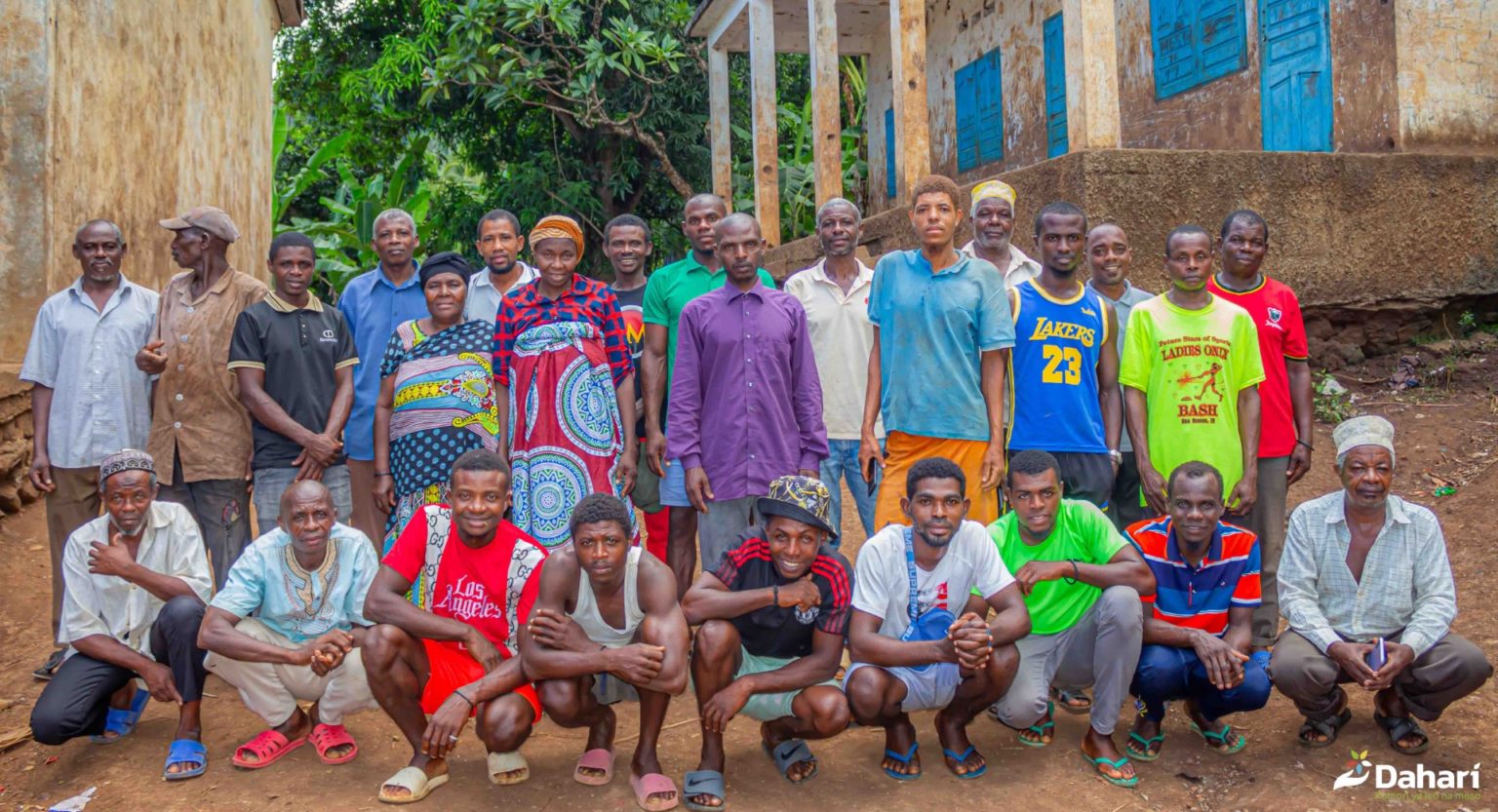
Setting up the reserves was no plain sailing. One of the major challenges was getting net fishermen to the table — a group that has historically been marginalised and rarely included in collective discussions. Yet for a reserve to function, its management must be collective and inclusive. The Dahari team worked patiently to build relationships and foster trust. Little by little, these fishermen became involved in the process and are now an integral part of the management committees. This change goes beyond the scope of marine conservation. A canoe fisherman from Moya sums it up: «I never used to talk to the net fishermen. Now we often have a chat.»
A jointly developed governance framework, endorsed by the authorities
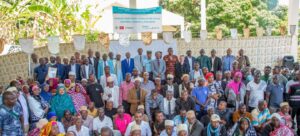
Finally, following numerous discussions, the local and regional authorities officially validated the three new permanent marine protected areas in the presence of the local fishermen. This means 85 new hectares of reefs will be able to regenerate and benefit communities in the future.
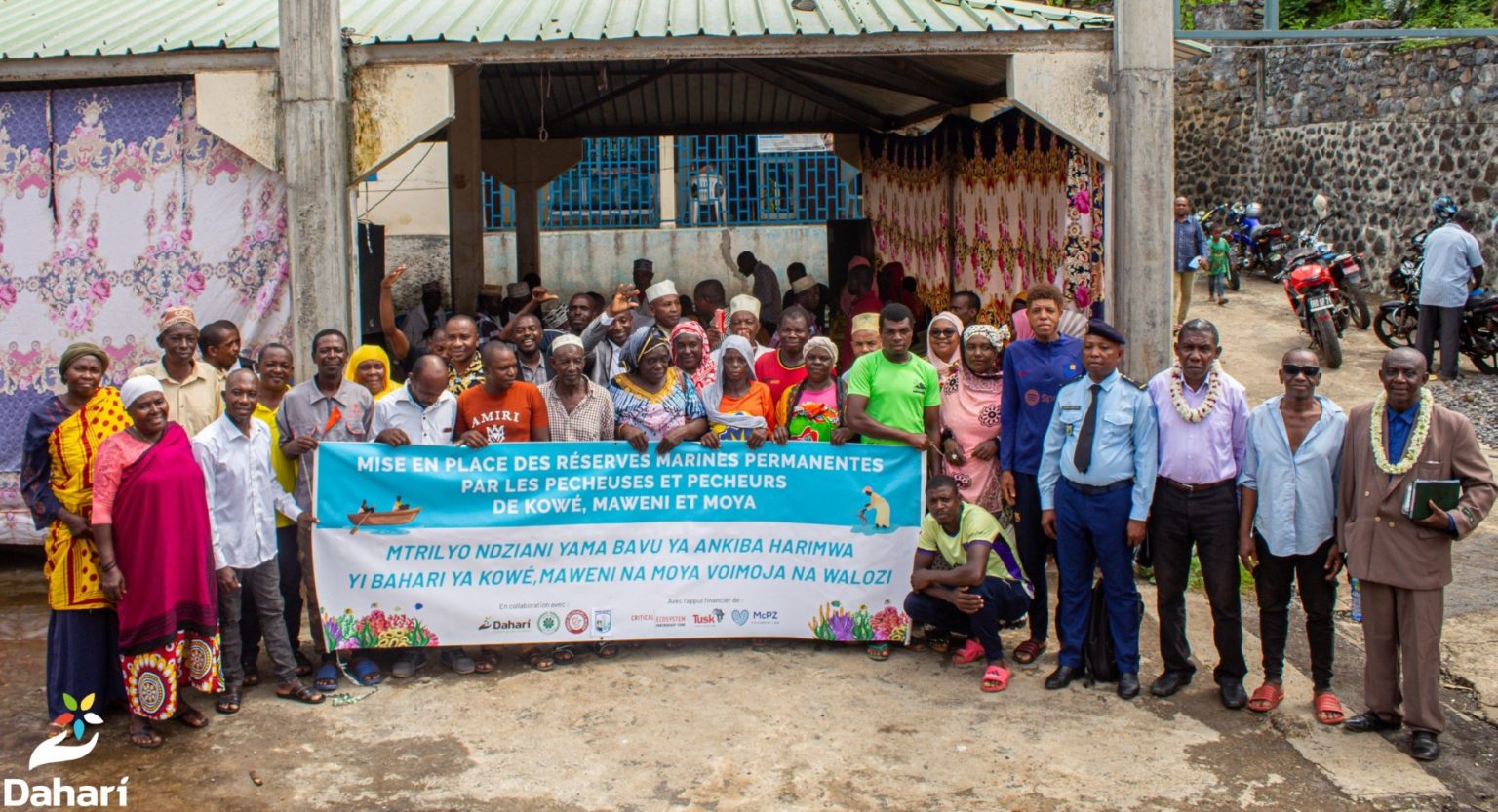
Mohamed Chadhouli, Secretary-General of the Moya fishing co-operative, says: “We were really looking forward to this meeting, which brought together local and regional authorities. We saw in Vassy that fishermen are now spending less time at sea, thanks to their long-established reserve. These are the sort of results we want to achieve too.”
Affane Amine, Regional Director of Fisheries in Anjouan, adds: “I am pleased with the participatory approach taken at the community level to make such decisions; this is what will lead the initiative to success.”
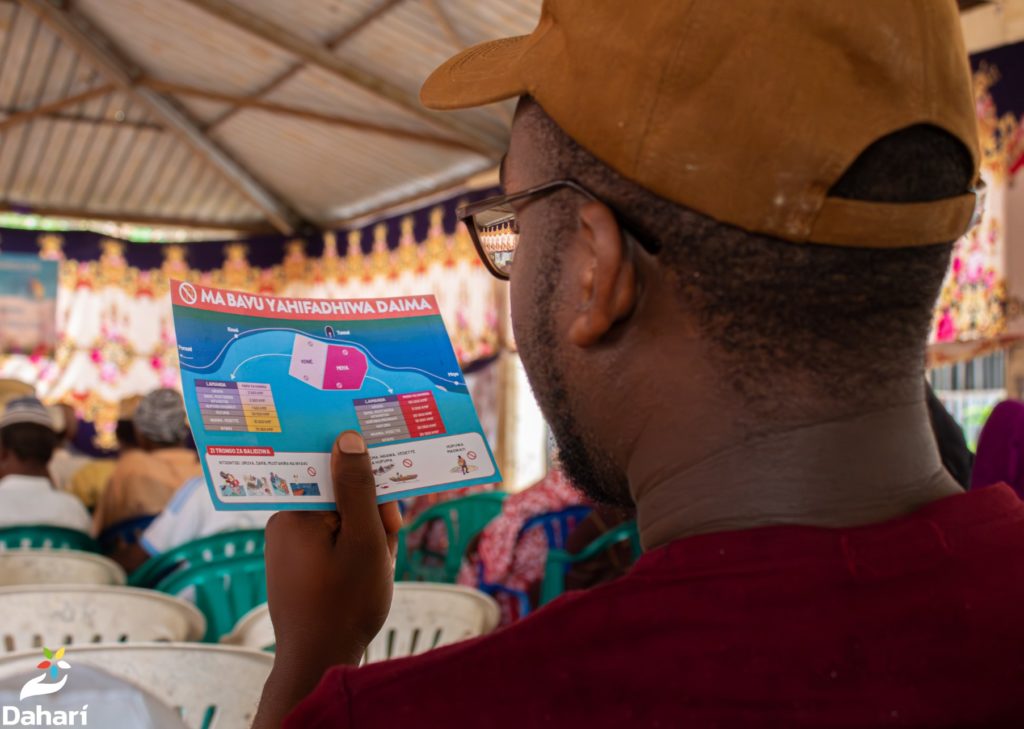
The official designation of the new reserves was finally celebrated in February 2026 during four festive ceremonies that brought together fishermen and fisherwomen, local communities and the authorities, featuring theatrical sketches designed to raise awareness and celebrate this collective achievement. Fishermen from neighbouring villages were also invited to help ensure widespread awareness of the reserves.

What happens next?
The Dahari team is proud to support these communities in monitoring and strengthening the management of the reserves, which now cover 105 hectares of reefs. Annual forums are planned to encourage dialogue – the first took place in 2025 and was a great success, and other communities from Anjouan and neighbouring islands will be invited in 2026. This model, driven by the fishermen themselves, is key to the sustainable restoration of coral reefs in the Comoros.
With financial support from: CEPF, TUSK, McPike-Zima, and Blue Ventures !