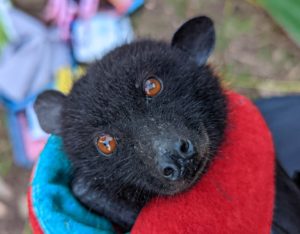
Livingstone’s fruit bat (*Pteropus livingstonii*) is one of the treasures of Comorian biodiversity. Endemic to the Comoros archipelago, this large bat is found only on the islands of Anjouan and Mohéli. Its survival is threatened by the gradual loss of its natural habitat. In response to this ecological emergency, the organization Dahari has been working for several years to preserve the species—in collaboration with the National Parks—by directly involving local communities in conservation efforts.
Agreements between communities and nature:
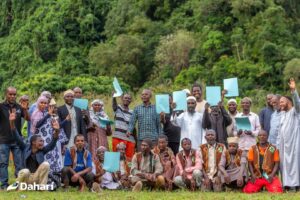
Since 2016, we have signed seven co-management agreements with landowners whose properties contain roosting sites for the Livingstone’s fruit bat, which has helped protect approximately one-third of the species’ total global population. In exchange for these agreements, the owners of these roosting sites have received support to increase agricultural yields on their land, outside of areas that are sensitive for biodiversity.
Testimony from Abdouroihmane Hifadhui, of Adda village, one of the first signatories to the co-management agreements:
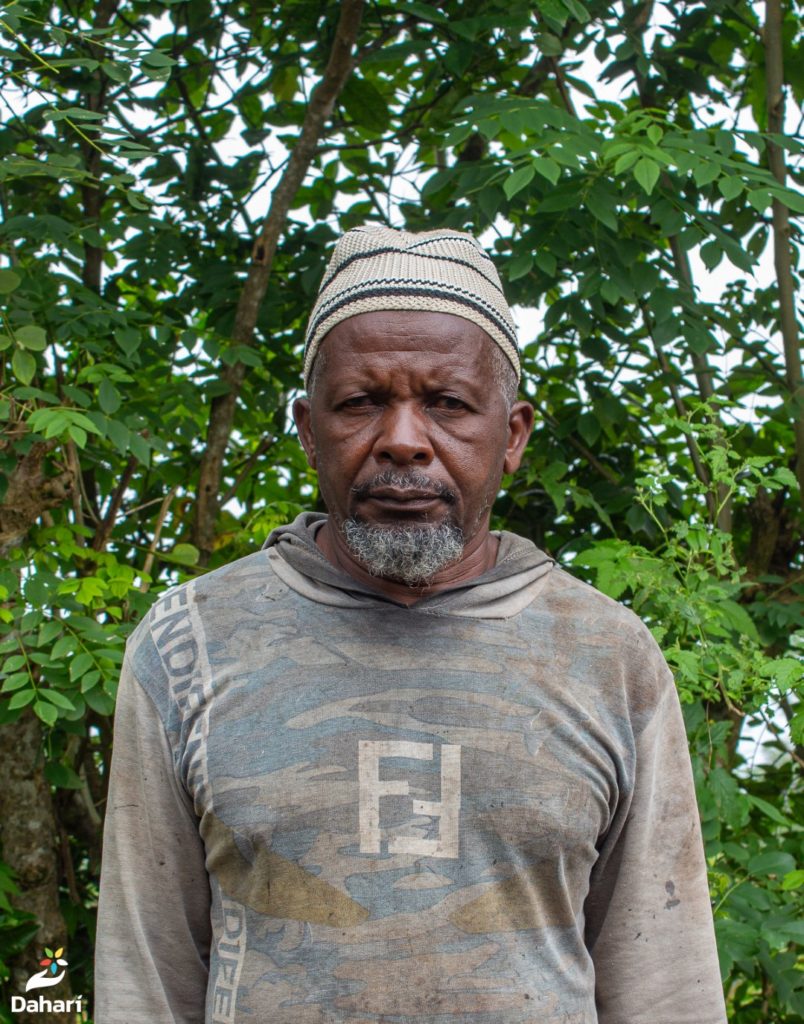
"I reached out to Dahari because I had heard that their agents were passing through my field. I asked to have a discussion so I could get some explanations. That was when I learned that it is a species of bat found only in the Comoros, and that it is important to protect it. I hadn’t realized these were significant species; they had been there all along, and I had never disturbed them."
We then reached an agreement that I would not till the land or cut down any trees; in return, Dahari assisted me with my agricultural activities on other plots. Each year, based on my needs, they provide me with seeds—such as potato or tomato seeds for market gardening—as well as equipment, and they have also offered advice on how to improve my planting methods.
"These bats bring tree seeds from very far away and plant them in the fields. For instance, there are *Mfuantsi* trees (*Chrysophyllum gorungosanum*), which provide fodder, and *Mshampaka* (*Magnolia champaca*), which is used to produce oils and medicines. My plantings grow well here—better than in my other fields—so I find the soil to be very fertile; that is why the trees grow naturally, without any need for maintenance. I would therefore like to encourage other owners of these roosting sites to fully appreciate the benefits that these bats bring to our fields and land, and to protect them accordingly."

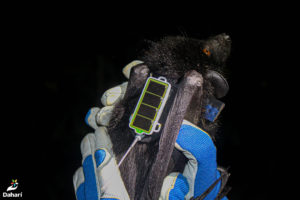
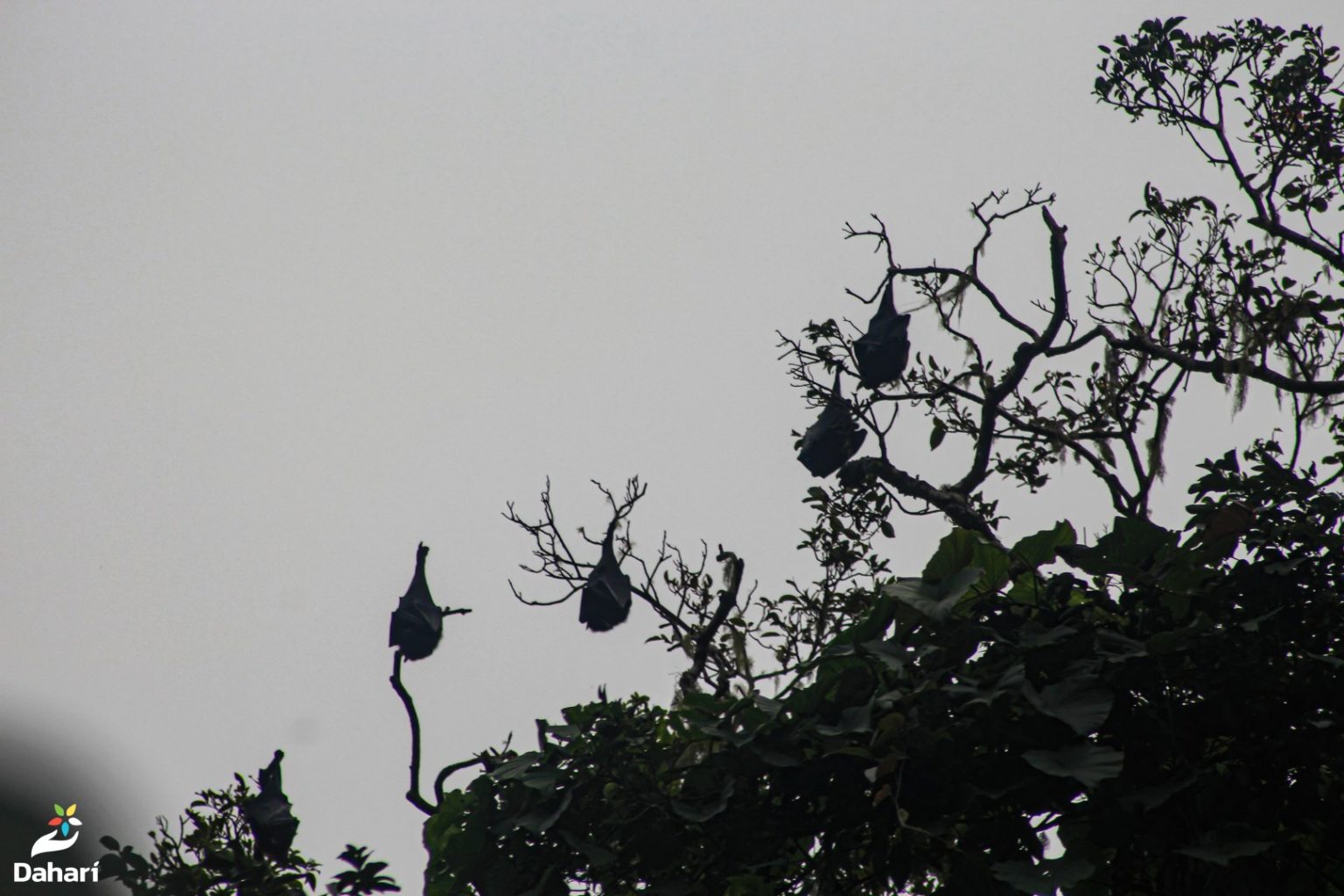
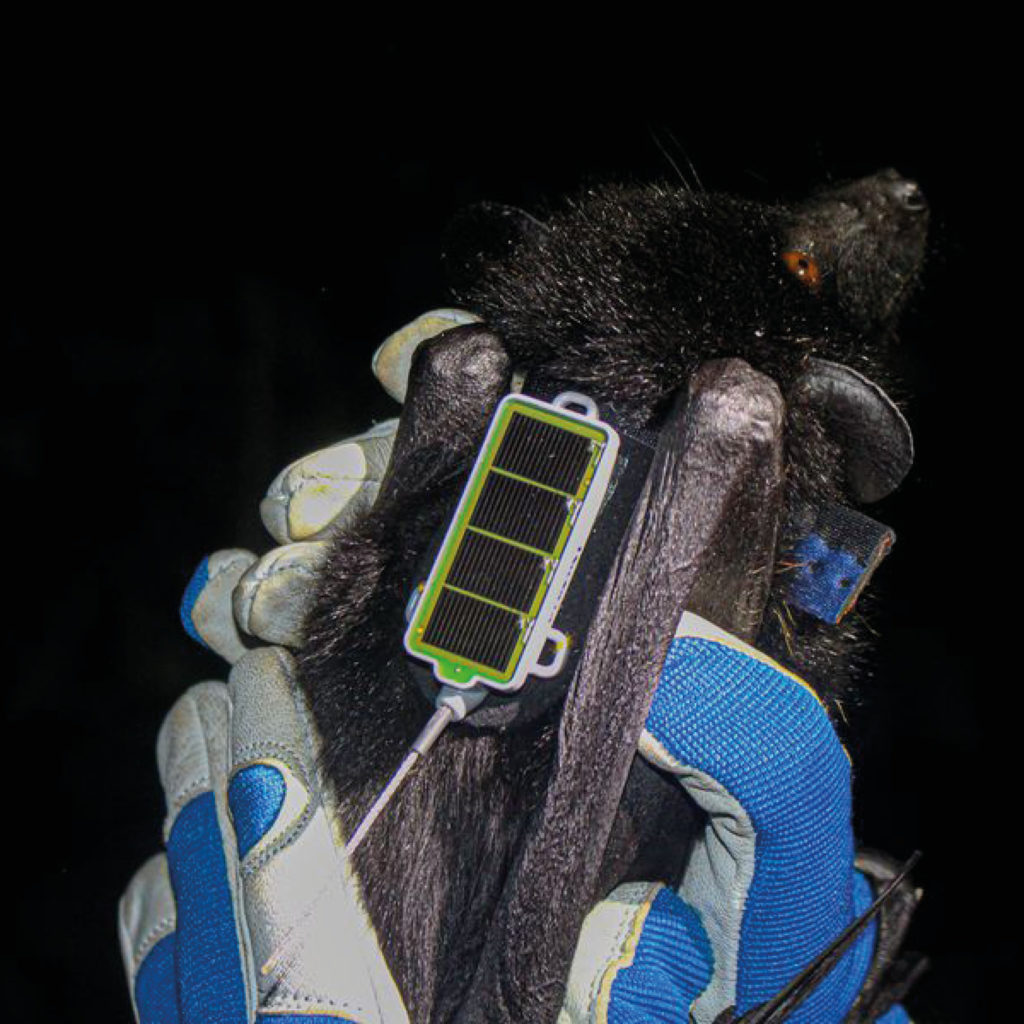
Une Roussette de Livingstone avec son tag GPS Comptage annuel des Livingstone (Grand)
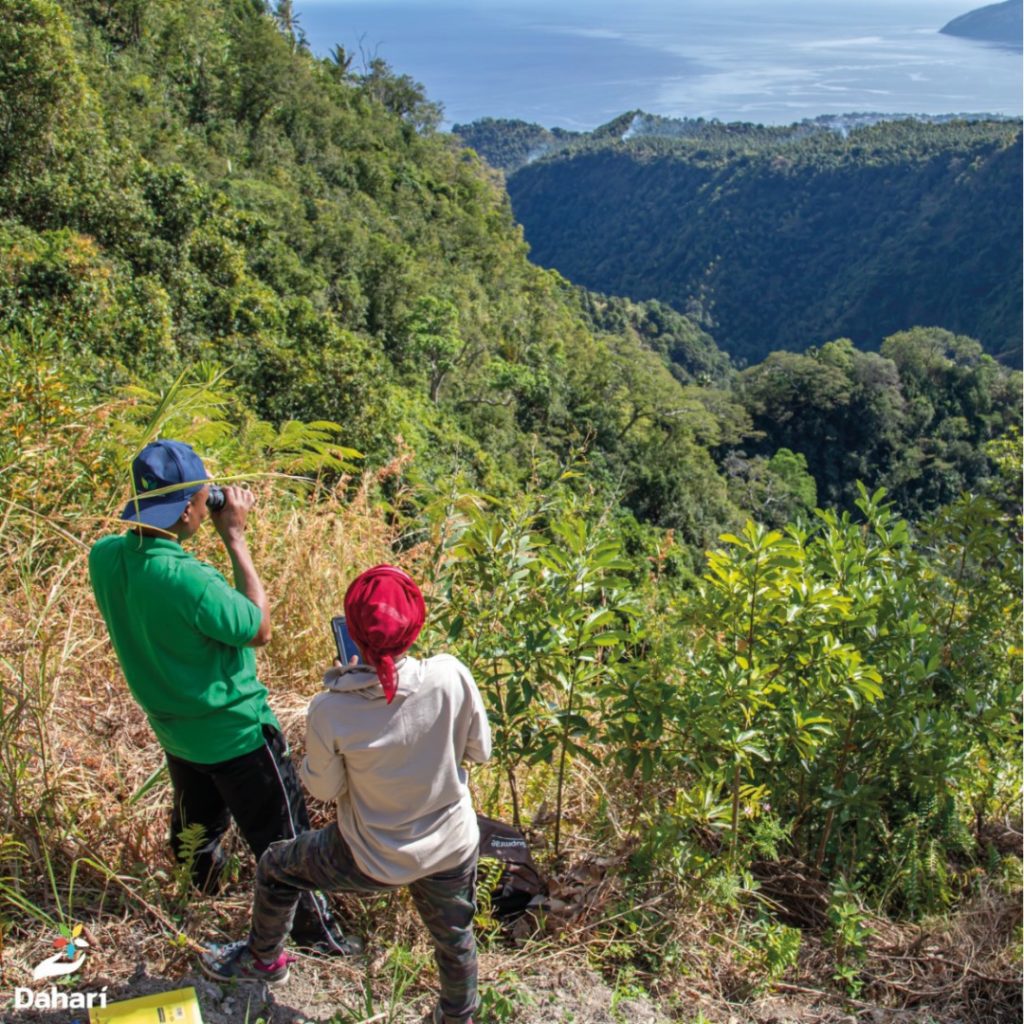
Community engagement is accompanied by scientific research to better understand the population dynamics of flying foxes. Recent studies conducted between 2016 and 2023 in the Comoros have provided insights into the population status of this threatened species in the Comoros. The population on Anjouan remained generally stable over the eight years of monitoring. The current estimate is approximately 1,200 to 1,500 individuals on Anjouan and 300 to 400 individuals on Mohéli. The study highlights the importance of long-term surveys to understand past demographic trends (see the study here).
Furthermore, in collaboration with the University of the Comoros and Bat Conservation InternationalWe are conducting individual tracking of the Comoros flying foxes with GPS tags to understand how this endemic species of the Comoros uses the landscape in order to identify key trees used for feeding or resting (read the article).
This data will enable us to strengthen preservation initiatives for the fruit bat—a key conservation target for Dahari and its partners.