5 June 2021
The 2020 Activity Report is available!
We are pleased to present our Activity Report for the year 2020. From the fight against the pandemic to…
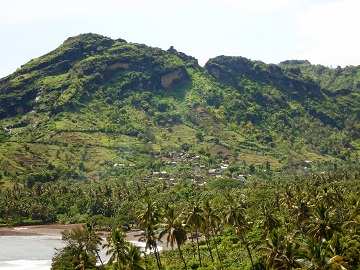
Dans l’objectif d’étendre sa zone d’intervention, et grâce au soutien technique et financier respectivement de l’Icraf et de l’Union européenne, Dahari vient de se lancer dans une phase de prospection qui se déroulera tout au long du mois de janvier à Anjouan.
Au travers d’enquêtes dans les villages, il s’agit de déterminer trois bassins versants respectant les critères d’élargissement établis par l’ONG. Pour cela, l’équipe restreinte dédiée à cette prospection identifiera les ressources-clés de chaque bassin versant, les besoins prioritaires par rapport à l’utilisation des ressources naturelles, les problèmes majeurs auxquels font face les exploitants, et qui sont les acteurs locaux. Des rencontres seront tenues avec les autres acteurs intervenants dans les villages pour discuter de la synergie d’actions et les possibles collaborations. Ceci se fera au travers de rencontres avec les autorités, organisations, acteurs locaux, des échanges avec les exploitants, des visites des bassins versants (zone agricole, terres dégradées, sources d’eau, biodiversité, etc.) et des réunions de restitution dans les villages.

La prospection sera dans un premier temps réalisée dans les villages de Jimilimé, Janza, BadraLajanza, Koni, Limbi et Bandrakouni, lieux où des groupes de producteurs ont formulé des demandes d’accompagnement. Plusieurs critères guideront le choix des zones d’élargissement. Tout d’abord la dynamique sociale (associations locales, groupement agricole, coopérative, activité des femmes, initiative de gestion des ressources naturelles en cours) existante ou potentiellement mobilisable, les contraintes relatives à la production (accès aux semences, intrants et techniques utilisés, etc.), à la commercialisation des produits agricoles locaux et aux autres projets présents ou anciennement présents (gouvernementaux, ONG…). Mais seront pris également en considération le fait que les villageois soient ouverts aux changements pour produire rapidement un impact, les potentialités d’action dans les secteurs de développement rural, de gestion des ressources naturelles et de conservation de la biodiversité, la présence d’une zone dégradée et exploitée par les producteurs vulnérables et enfin la proximité avec d’autres sites pour faciliter les déplacements et la gestion des ressources humaines.