16 April 2021
5 years of CEPF funding
Dahari is celebrating 5 years of collaboration with the Critical Ecosystem Partnership Fund by presenting you with key results from the...
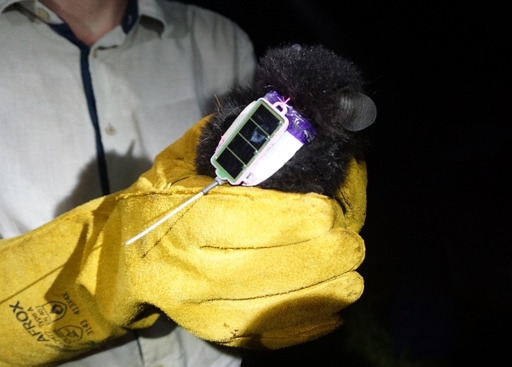
In an article published in the newspaper OryxIsabella Mandl (PhD in wildlife and conservation biology; former technical assistant for the ecology research team at Dahari) explains how GPS sensors attached to two bats made it possible to identify new roosting sites and track their foraging habits.
"It is not every day that you get an up-close look at one of the most threatened bats in the world! To study the movements of the Livingstone’s fruit bat in the wild and develop targeted conservation strategies to protect its habitat in the Comoros, the organization Dahari captured and tagged two Livingstone’s fruit bats with GPS trackers in 2019. The data revealed that the bats were highly mobile, frequently moving between different roosting sites in the Moya Forest region and feeding on mature trees that had been left standing in fields across the landscape. The study will continue in the coming years to gain a better understanding of how to protect this endangered species."
Learn more here (in English): Tracking in the dark: shedding light on bat behaviour for conservation (oryxthejournal.org)
Using GPS tracking for fruit bat conservation | Oryx | Cambridge Core